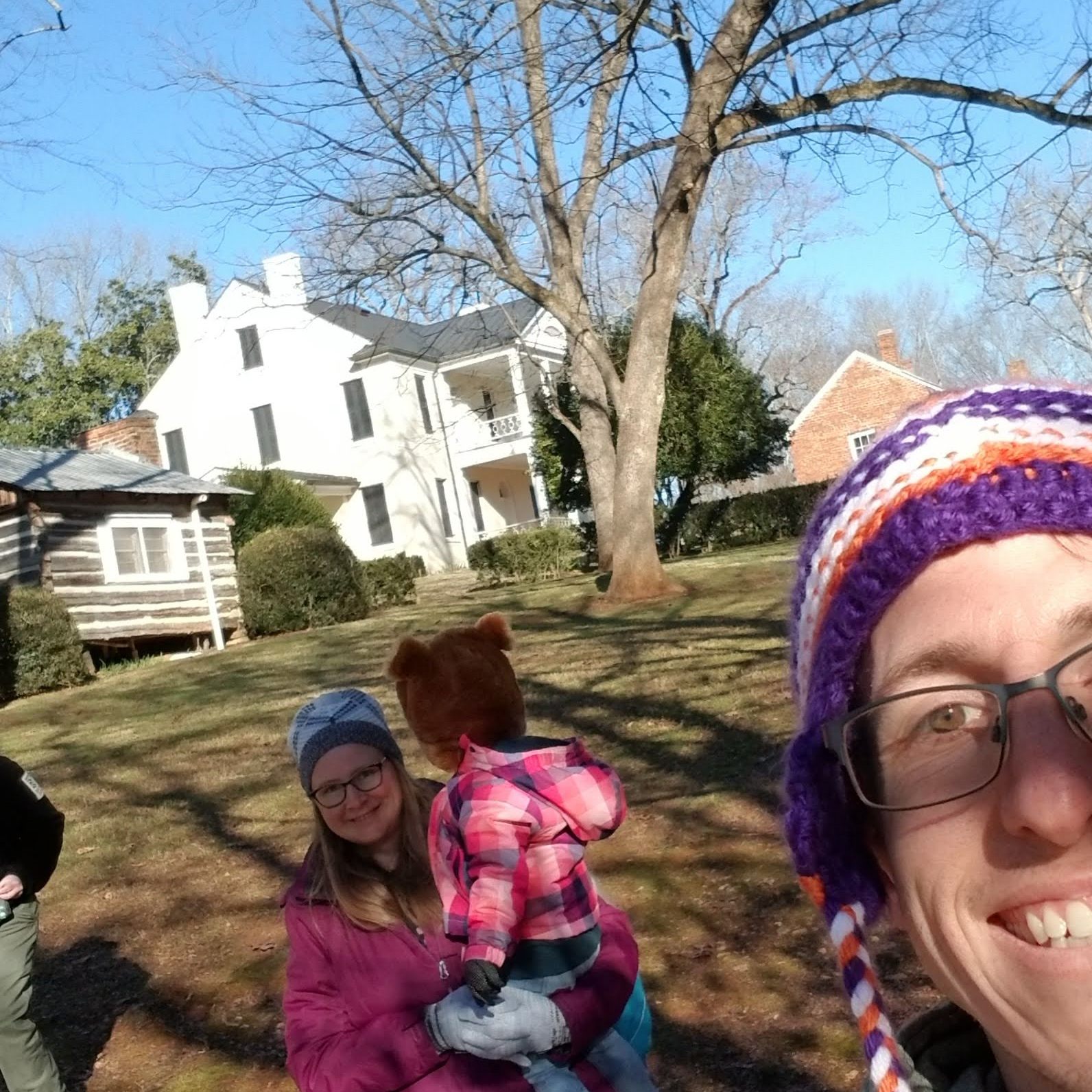
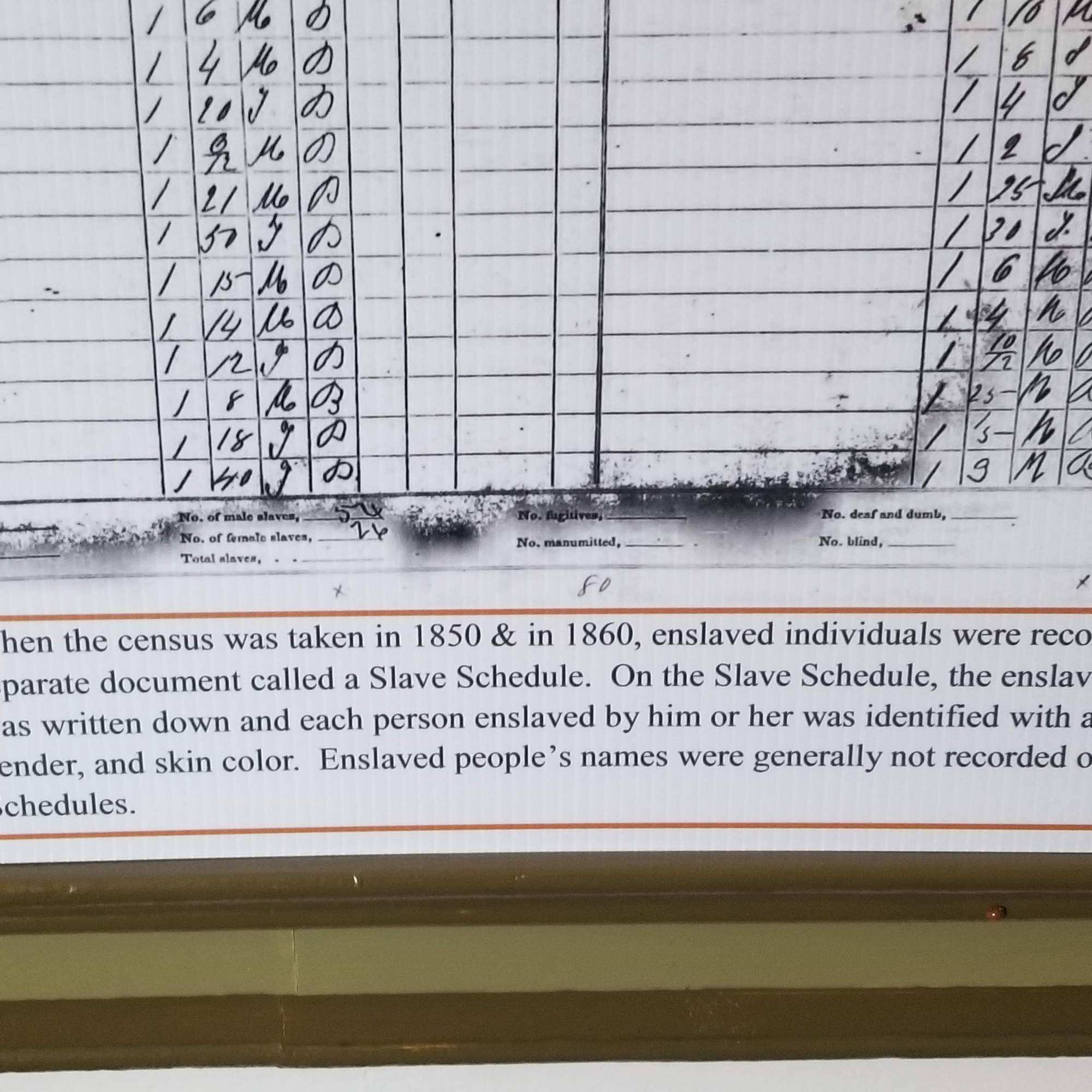
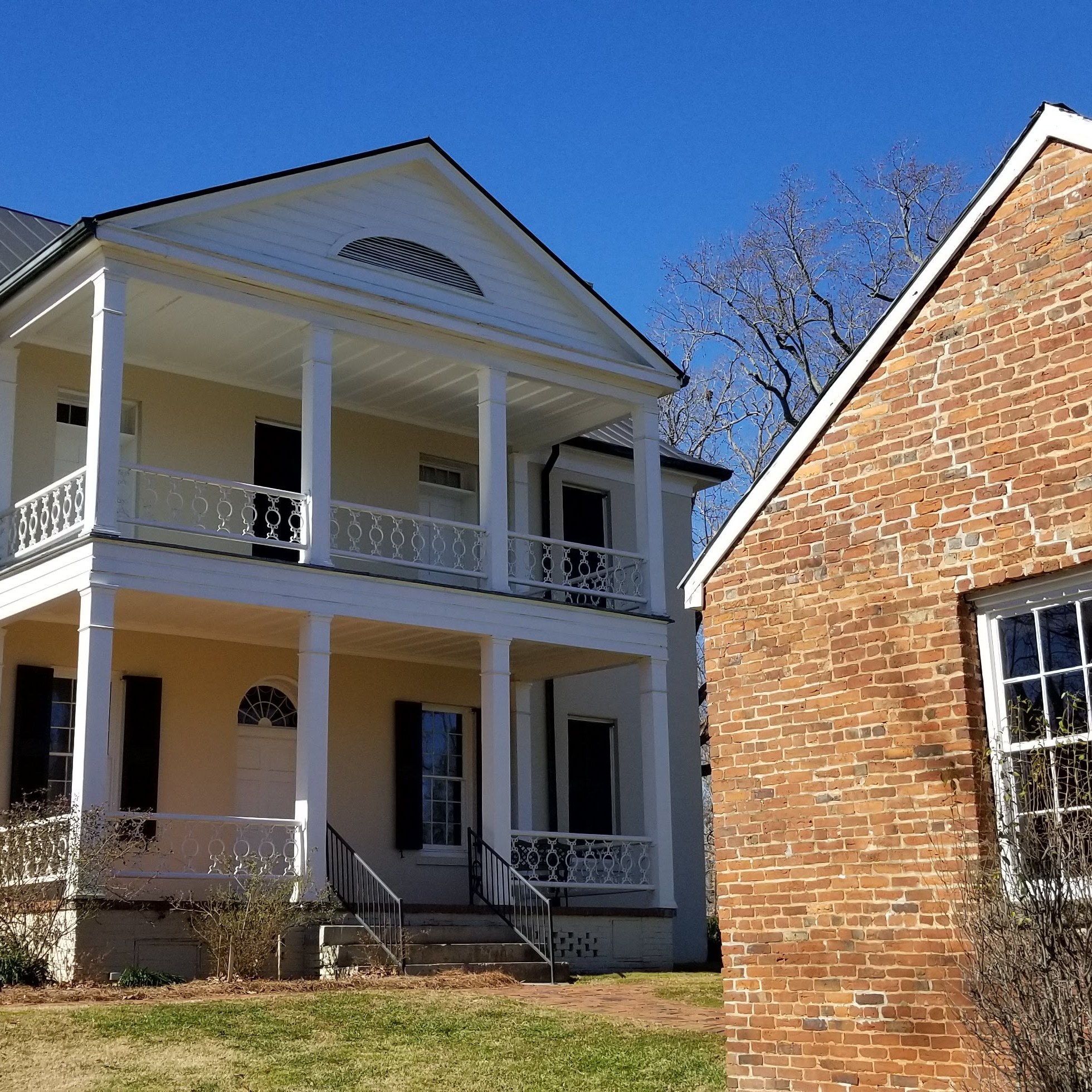
Having been a geocacher in the Upstate for years, I knew about Rose Hill simply because there was a geocache there; however, I had never been there until today. Doing some initial research before going by reading the official site (linked below), I learned that it was the plantation owned by William Henry Gist, the governor of South Carolina at the time of secession in 1860. As many as 178 slaves would have been enslaved here at that time (and we learned on the tour that sharecroppers/tenant farmers continued living/working here until the late 1930s).
For Black History Month, Rose Hill Plantation was offering a special guided tour of the site to help interpret the site through the lens of the slave. We got to go off the trail to see some of the ruins of the houses away from the main home. As one of the rangers pointed out, the unfortunate thing is that while there was just one family living in the main house, there were more than a hundred individuals living elsewhere, yet it was the main house that was preserved–the other houses left to let nature reclaim the space.
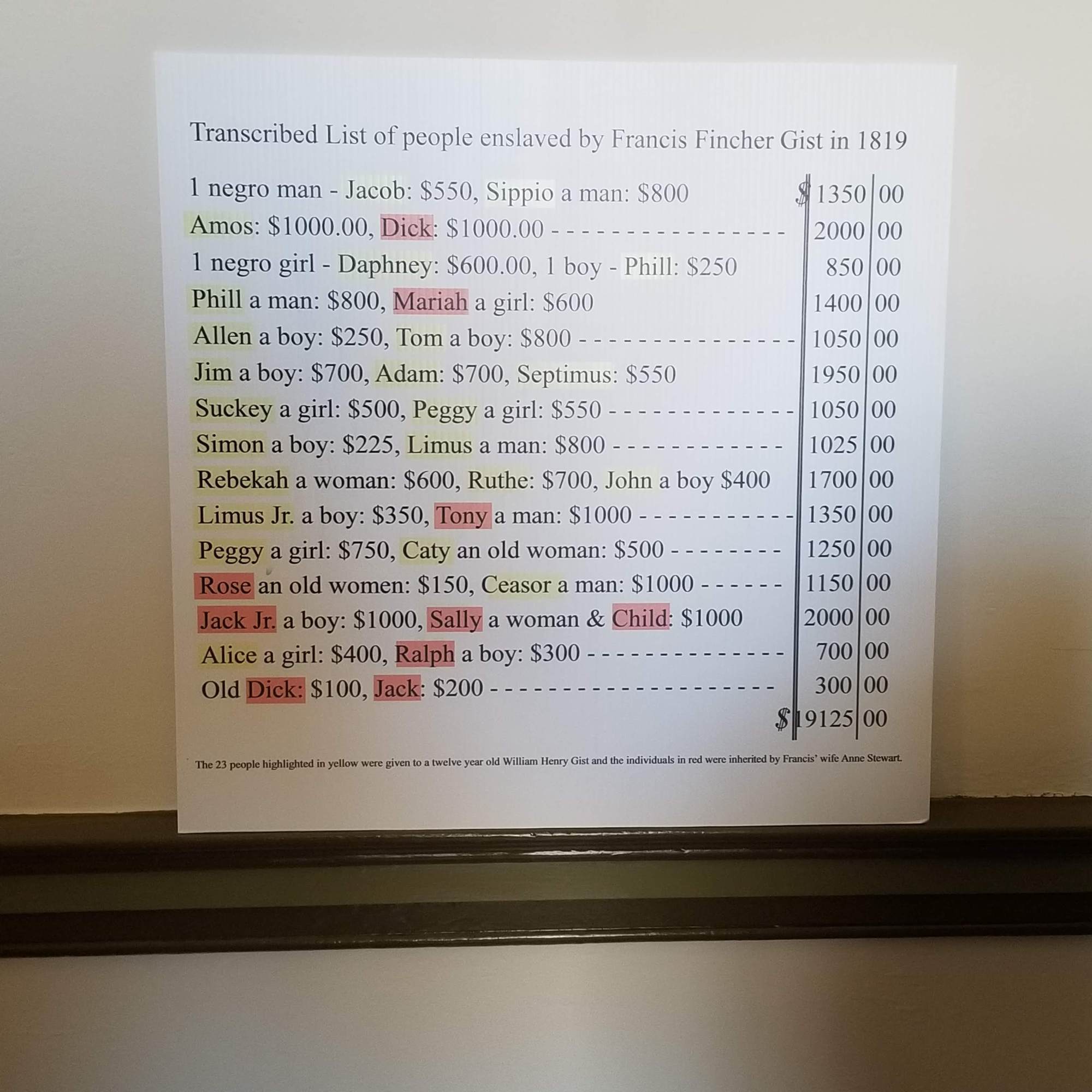
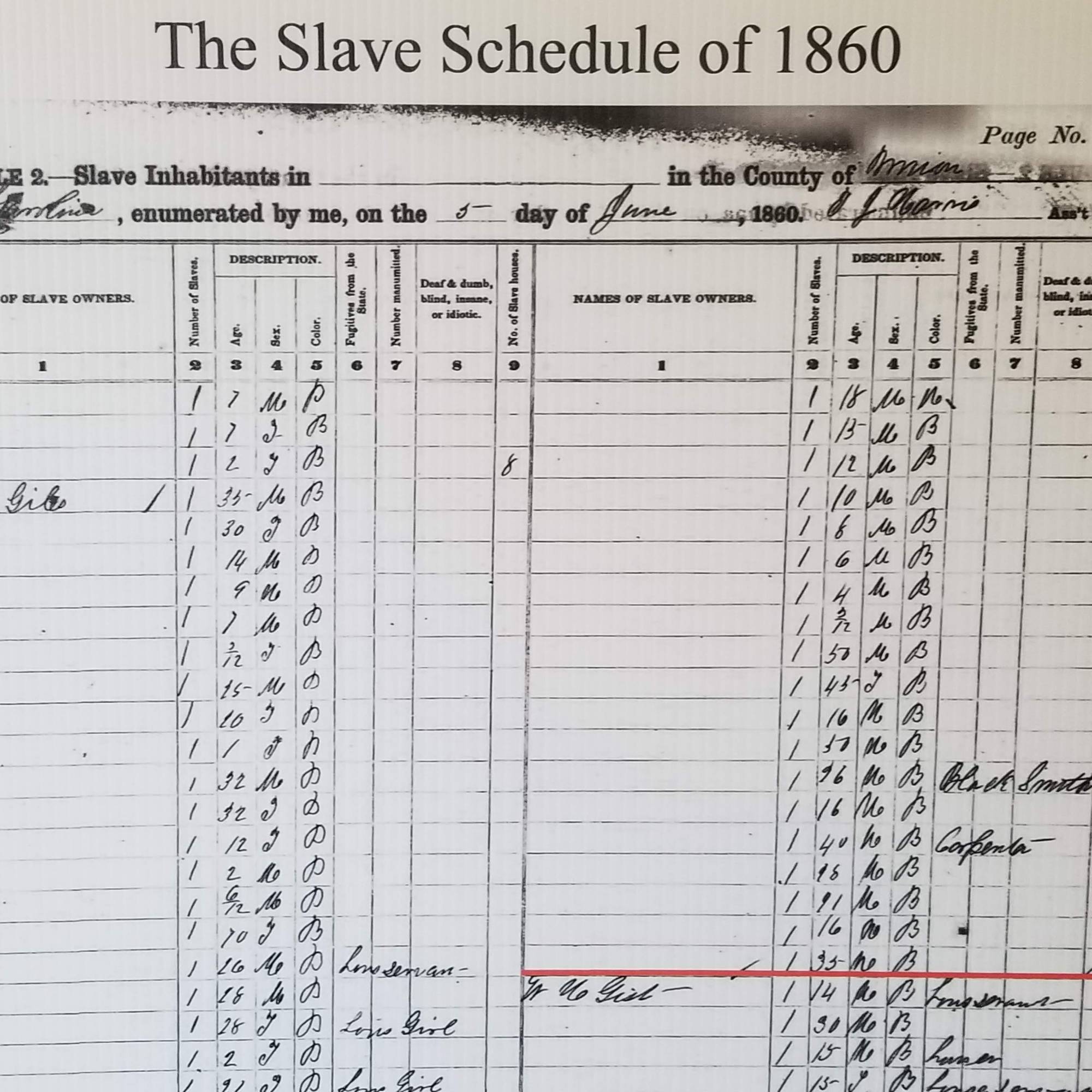
One thing I appreciated most about the tour was the attempt to bring dignity, honor, and personhood back to those that for so long were treated as ‘other’, sub-human, or inferior, simply because of their color. On the 1860 census, slaves were just indicated by their owner’s name, along with their age, sex, and race. But we stood there next to the ‘witness trees’ (so called because they are more than 200 years old and have ‘witnessed’ all that has gone on there) and passed around a list of names, each person speaking one. These names, gathered from another source, were the names of the first group of slaves at the plantation.
Speaking their names was such a great reminder that these were our fellow brothers and sisters here on this earth. Each one had a story, a family, a name. We need to keep learning and telling their stories.
We were on this tour with a Black couple, and as it turns out, the wife’s family was from Union County, and many of the last names that had been mentioned by the rangers as part of the tour were her own family names. I can only imagine her experience being at the site. (And just as an aside, how great is it that it is possible that Whites and Blacks can be together on the same tour? Though there are still issues in our society, any progress should be noted.)
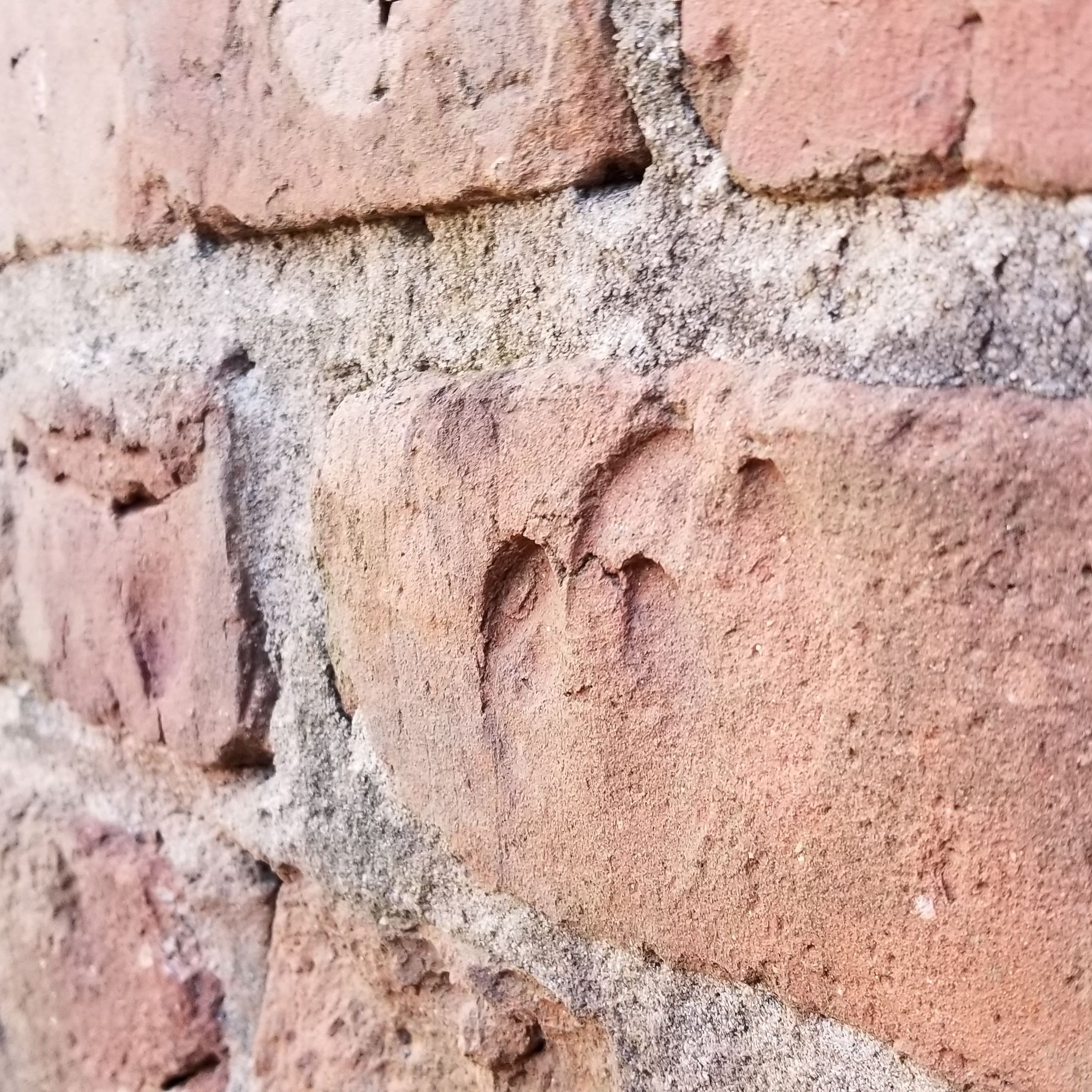
As Ranger Nate so poetically pointed out, yes, Governor Gist made his imprint on the state through his actions in the state government; however, the slaves on his plantation also made their own imprint as they worked the cotton fields and contributed to the cash crop economy, though they were probably not remunerated fairly. Some of them quite literally made their imprint, their fingerprints seen in the handmade bricks that are on the wall surrounding the plantation home.
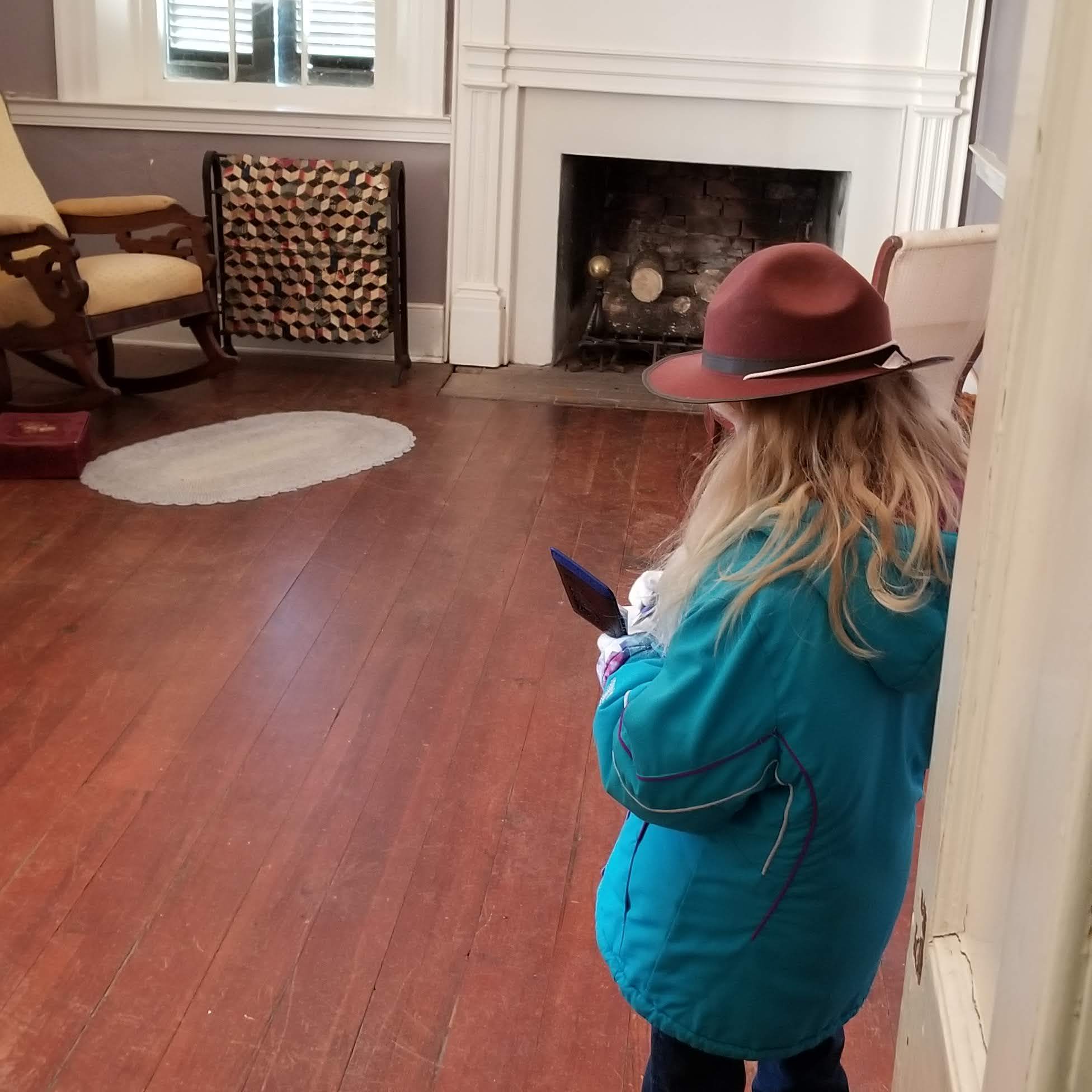
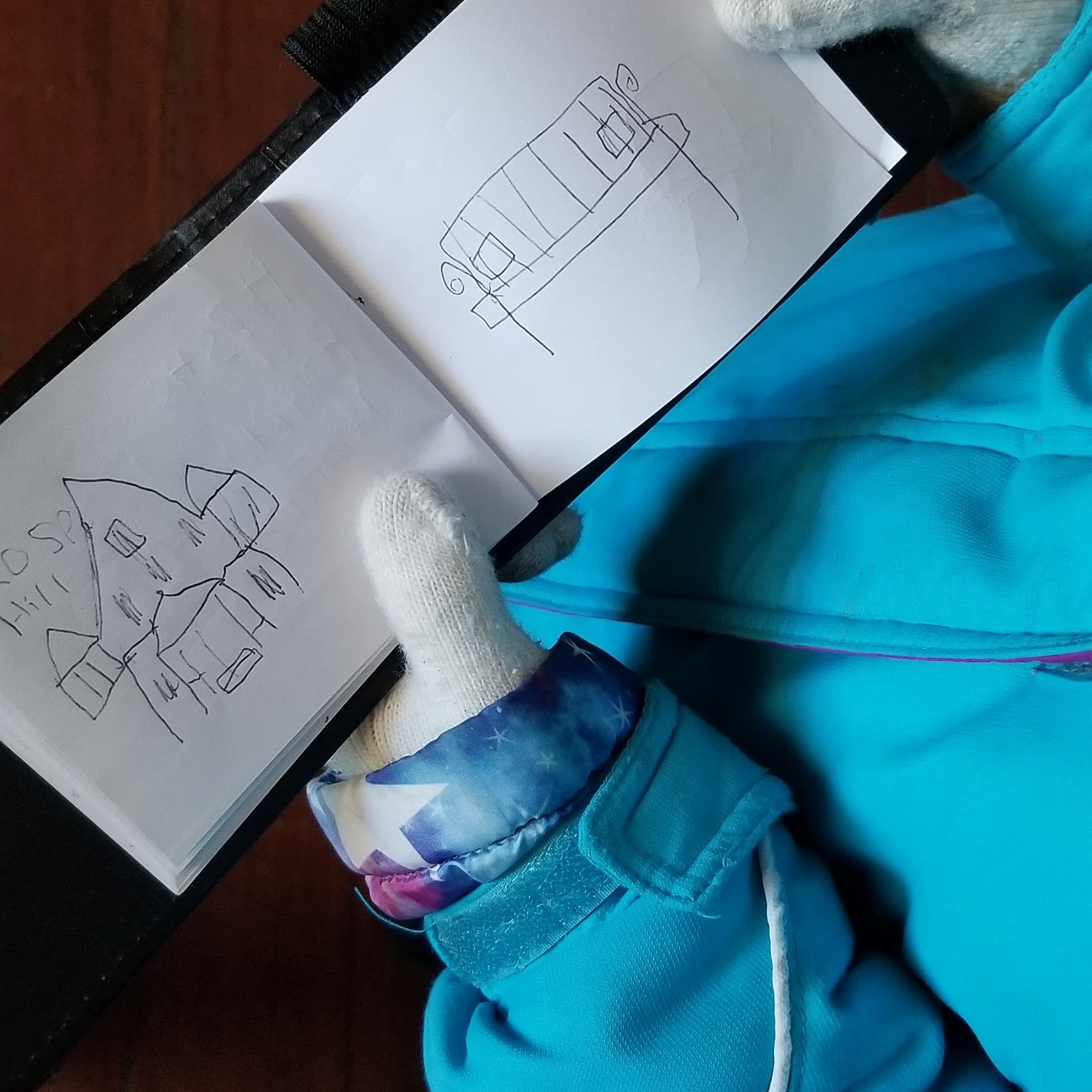
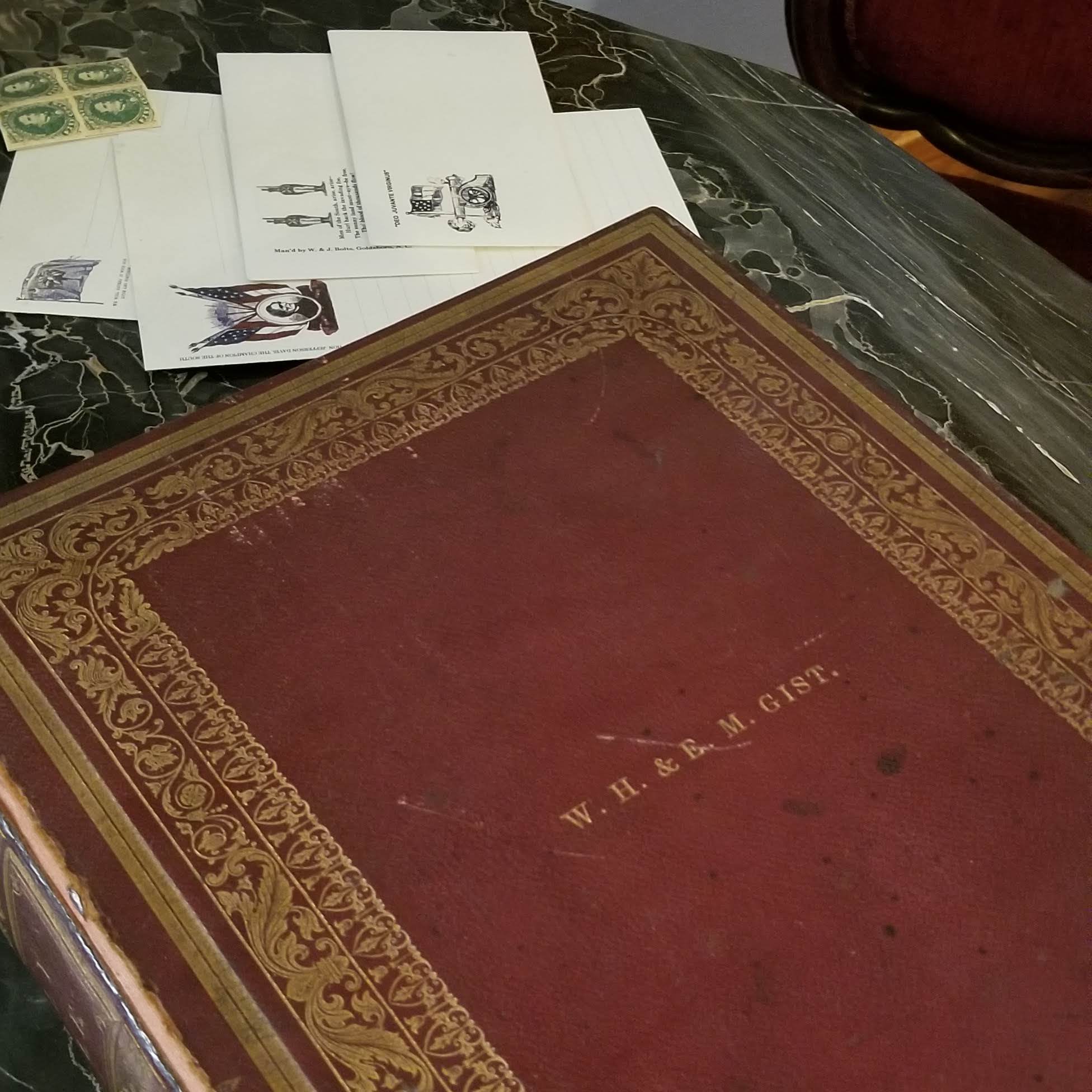
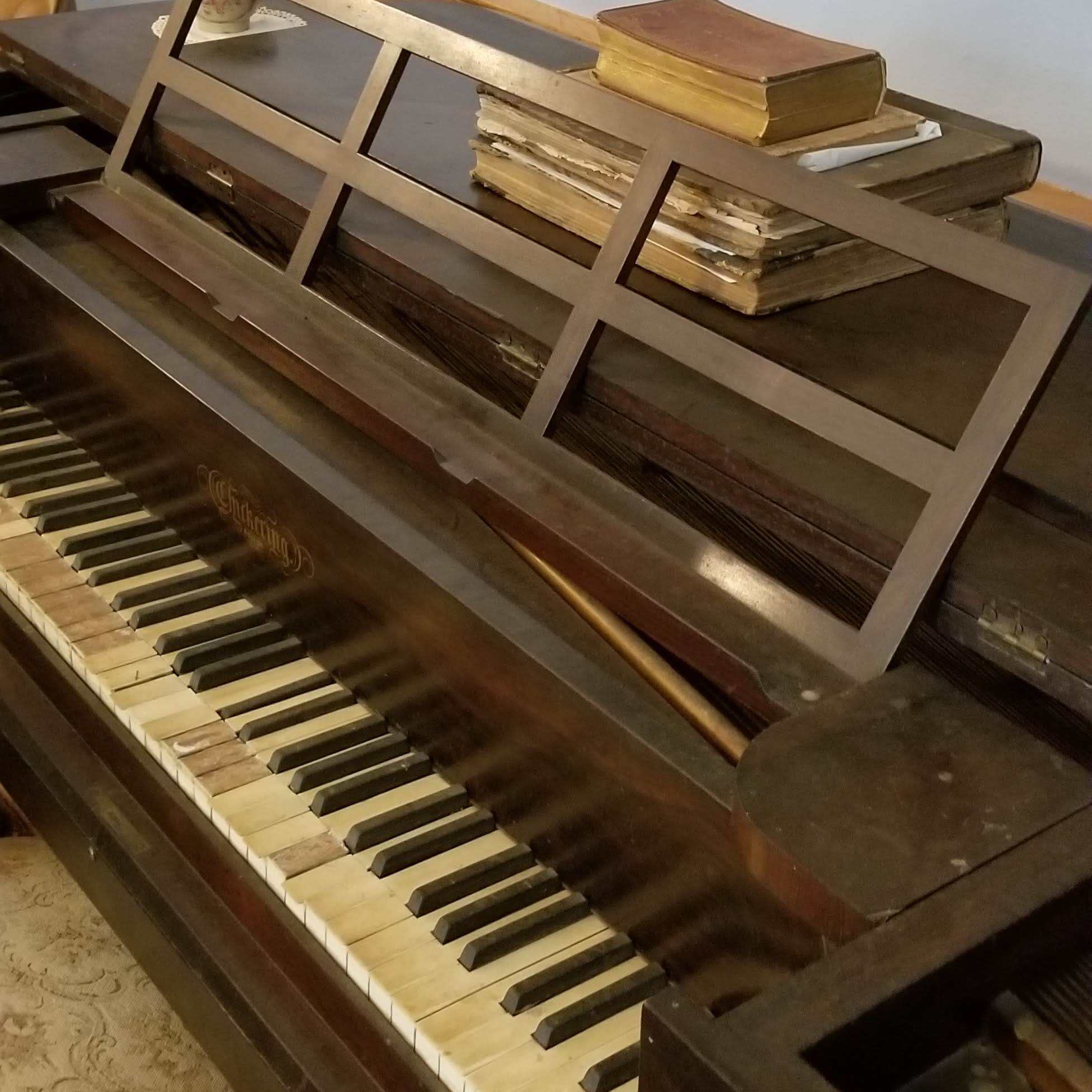
Inside the house, there were a few original pieces that interested me, such as the family Bible and songbook, and the woodworking on the stairs was very nice. Teagan also had a great time drawing what she saw inside and out.
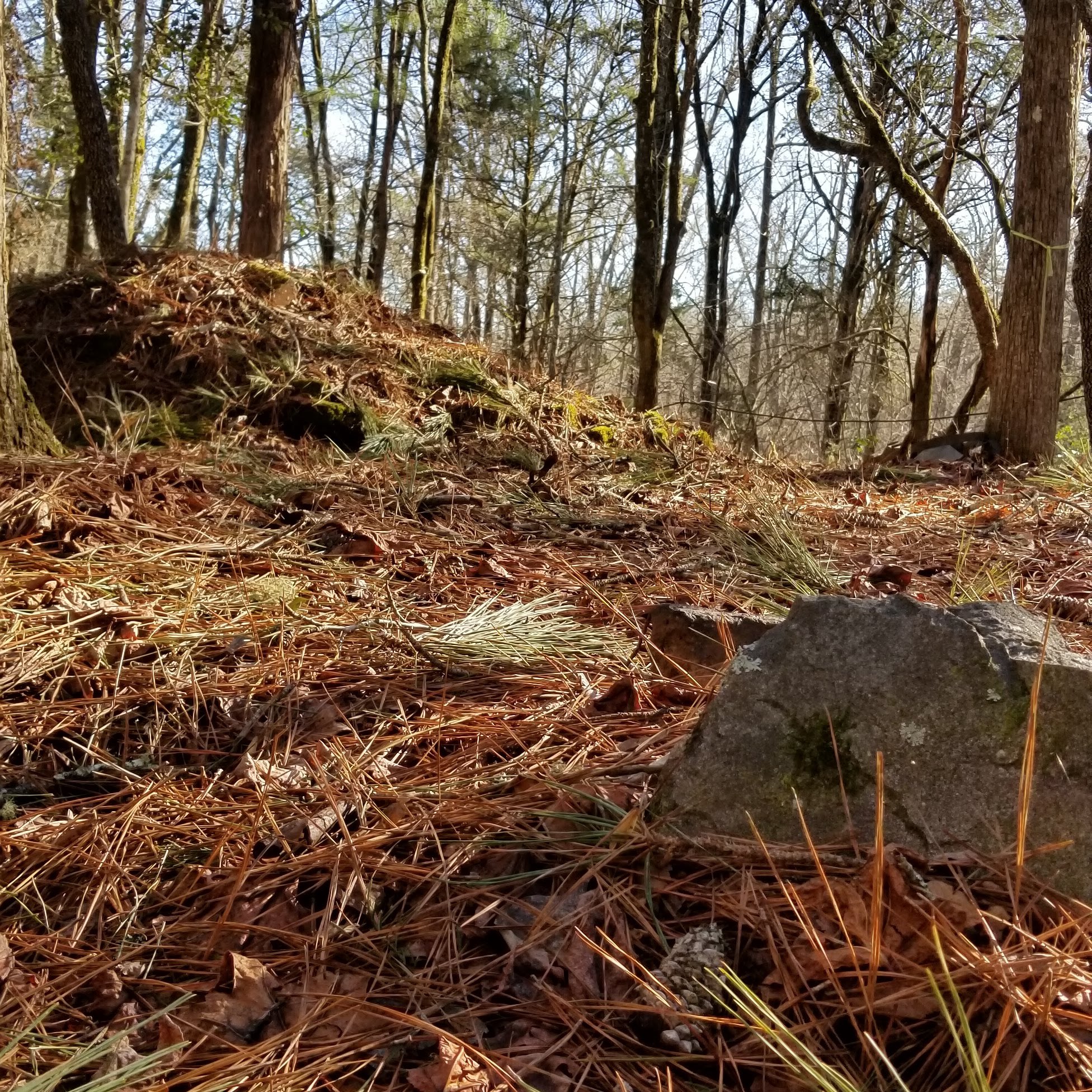
One interesting thing that I learned was the impact that cotton had on the soil. Because cotton was planted every year in the same place (as opposed to rotating or letting the field fallow), it took all of the nutrients away. This made the soil much more susceptible to erosion. We walked to the edge of a gully and were told that the decades of cotton fields led to the creation of so many gullies in the landscape as the land washed away.
In the 1930s, the US Forest Service established Sumter National Forest in the area around and including much of the former Rose Hill Plantation. The Forest Service planted trees on much of the land that was formerly cotton fields. While trees have grown up all around, one of the rangers noted that while some nutrients have been returned to the soil, it is still not a very healthy forest.
I highly recommend a visit here, especially taking a ranger-led tour. There is much to learn about South Carolina’s cultural and natural history, and I’m glad we had the chance to go.
 Beavers in the Park