
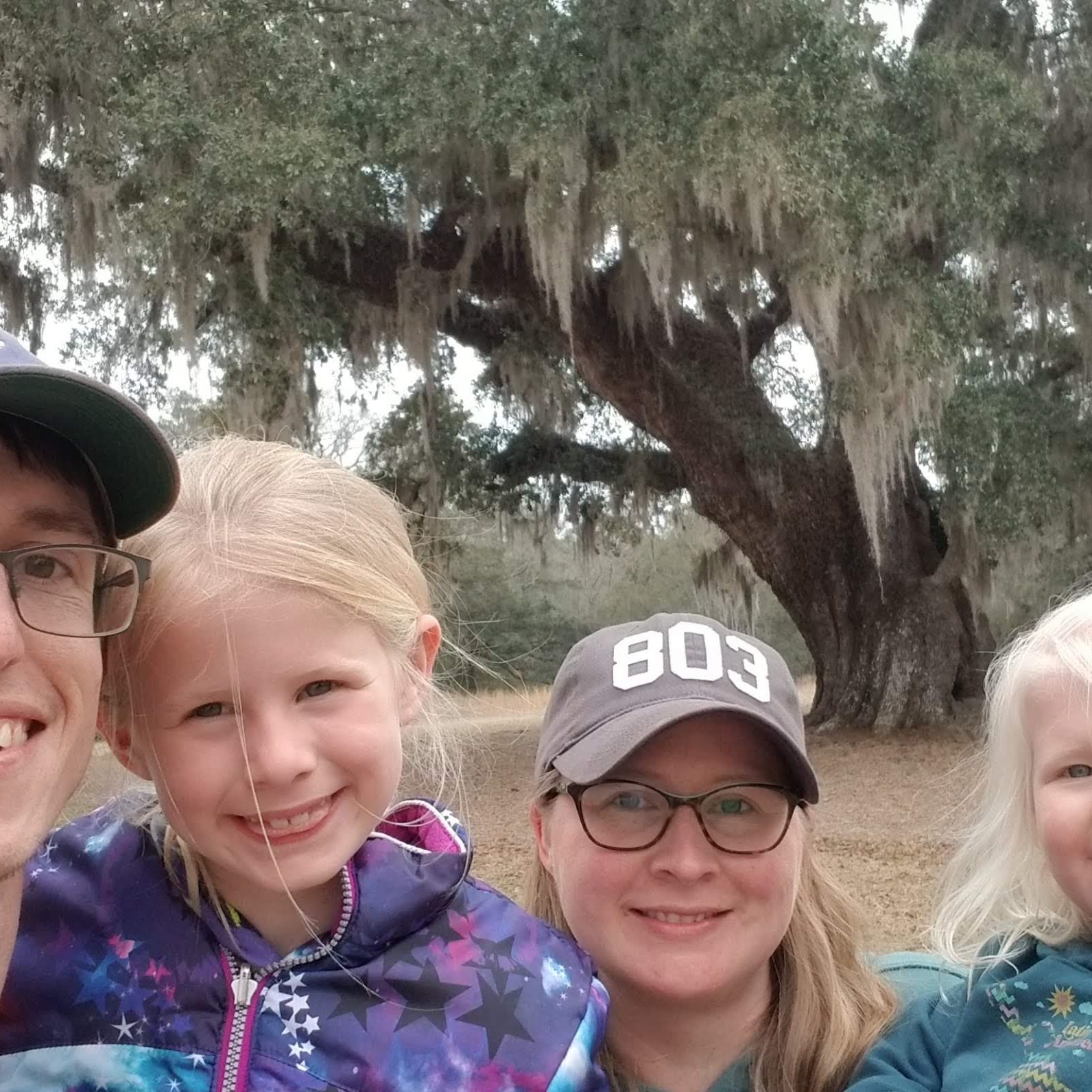
Welcome to the fourth and final stop on the Beaver Family Winter Break 2022 State Park Extravaganza. After our first visit to some wetlands at Little Pee Dee and the coast at Huntington Beach and Myrtle Beach, we ended up at the second of three plantation homes managed by the SC State Parks: Hampton Plantation.
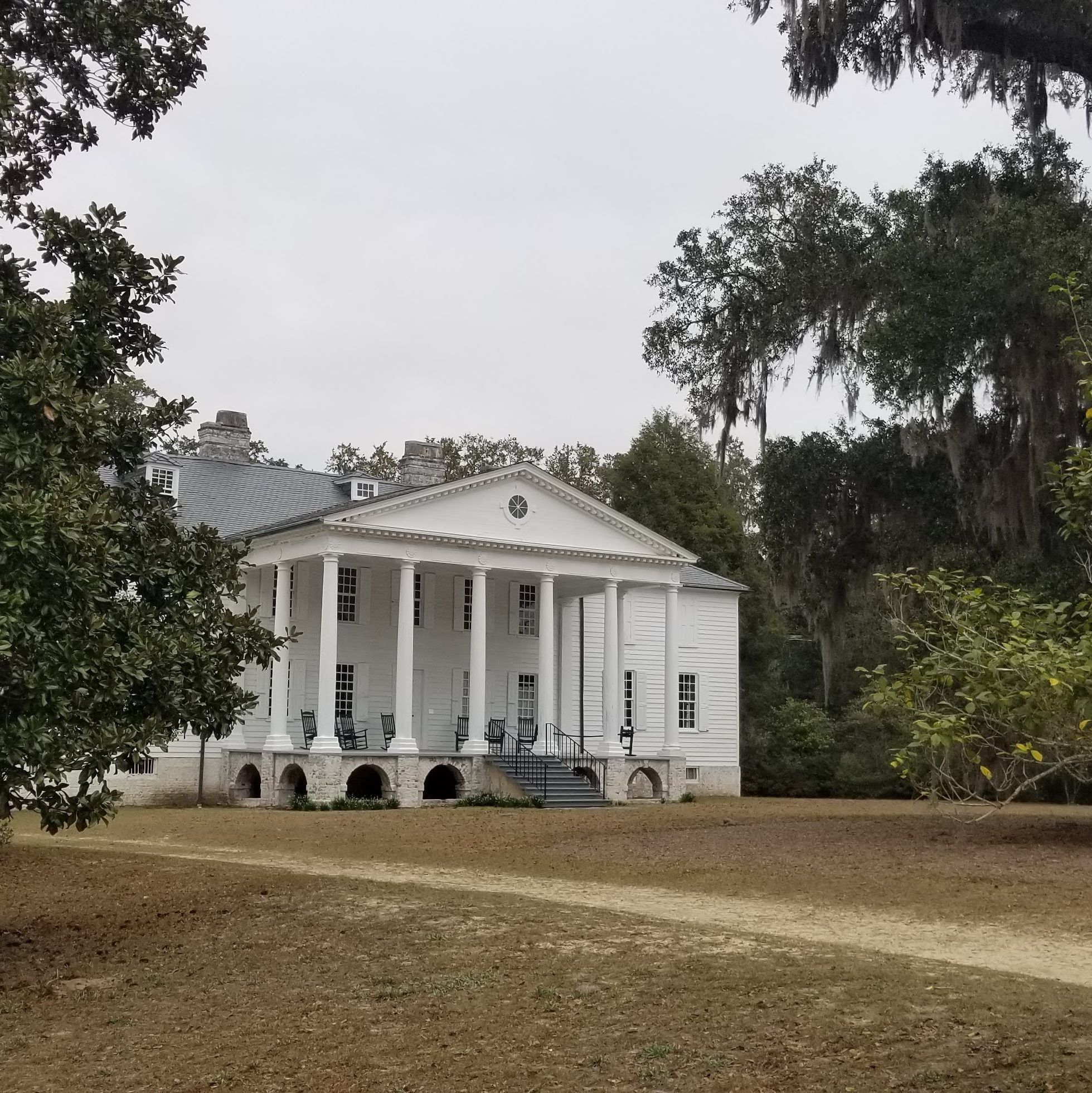
In South Carolina, it’s remarkable to come across a building from the eighteenth century. The house here, out in the middle of nowhere, began construction in the early/mid-1700s. As the family grew, they added on to the house. The house as you see it was completed by 1791, which is when George Washington came to visit as he toured the South. While many areas in and around Charleston and Columbia burned during the Civil War (including plantations), it was perhaps the remoteness of this plantation that spared it from Sherman’s army.
The house was home to many great families of SC history, including the Horrys, Pinckneys, and Rutledges. The name of the plantation itself might lead one to believe that it has to do with the family of Wade Hampton, but this is not correct. When I asked about it, the ranger noted that one of the early residents’ home in England included the name Hampton, so perhaps the home here was named in its honor.
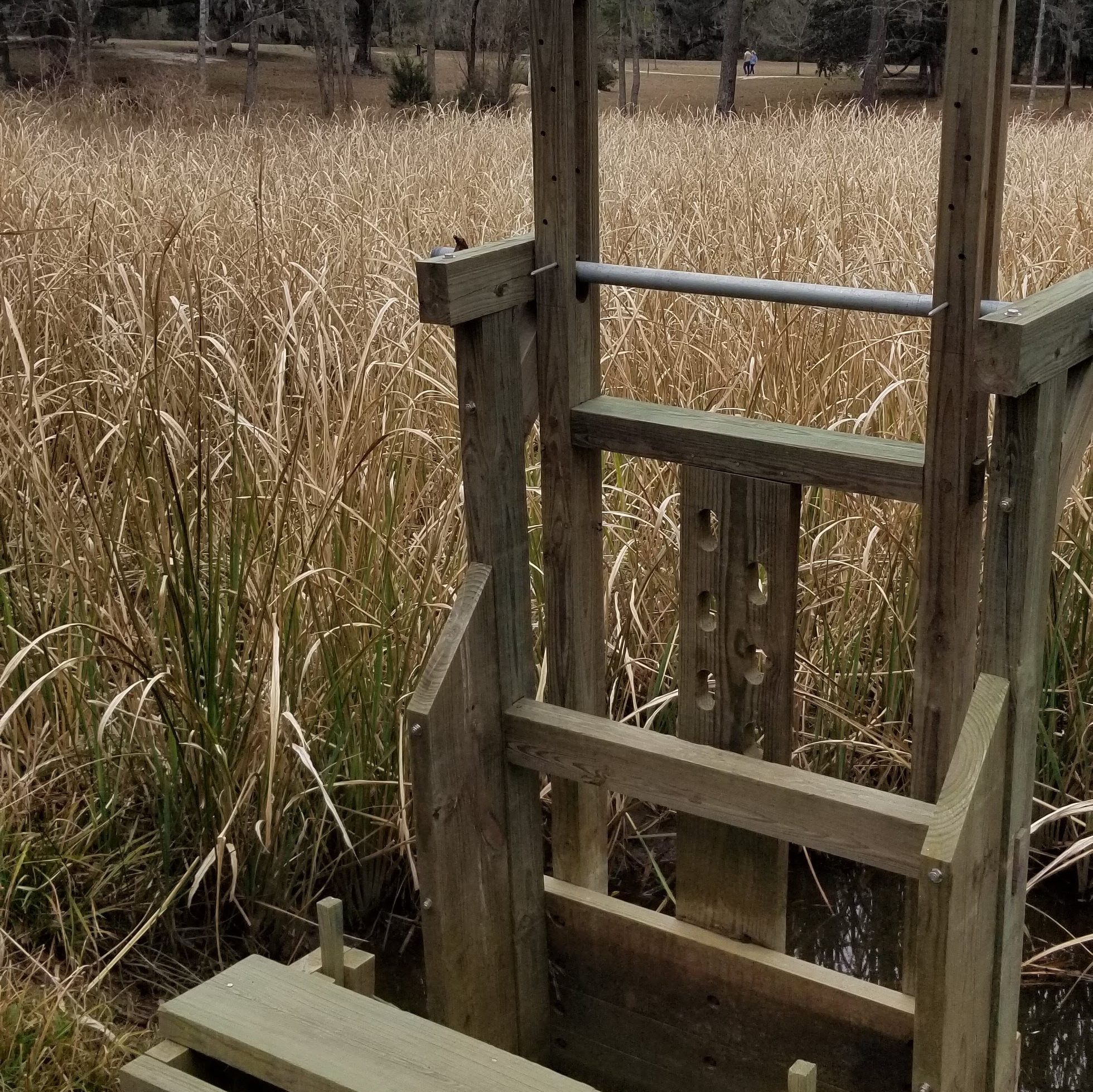
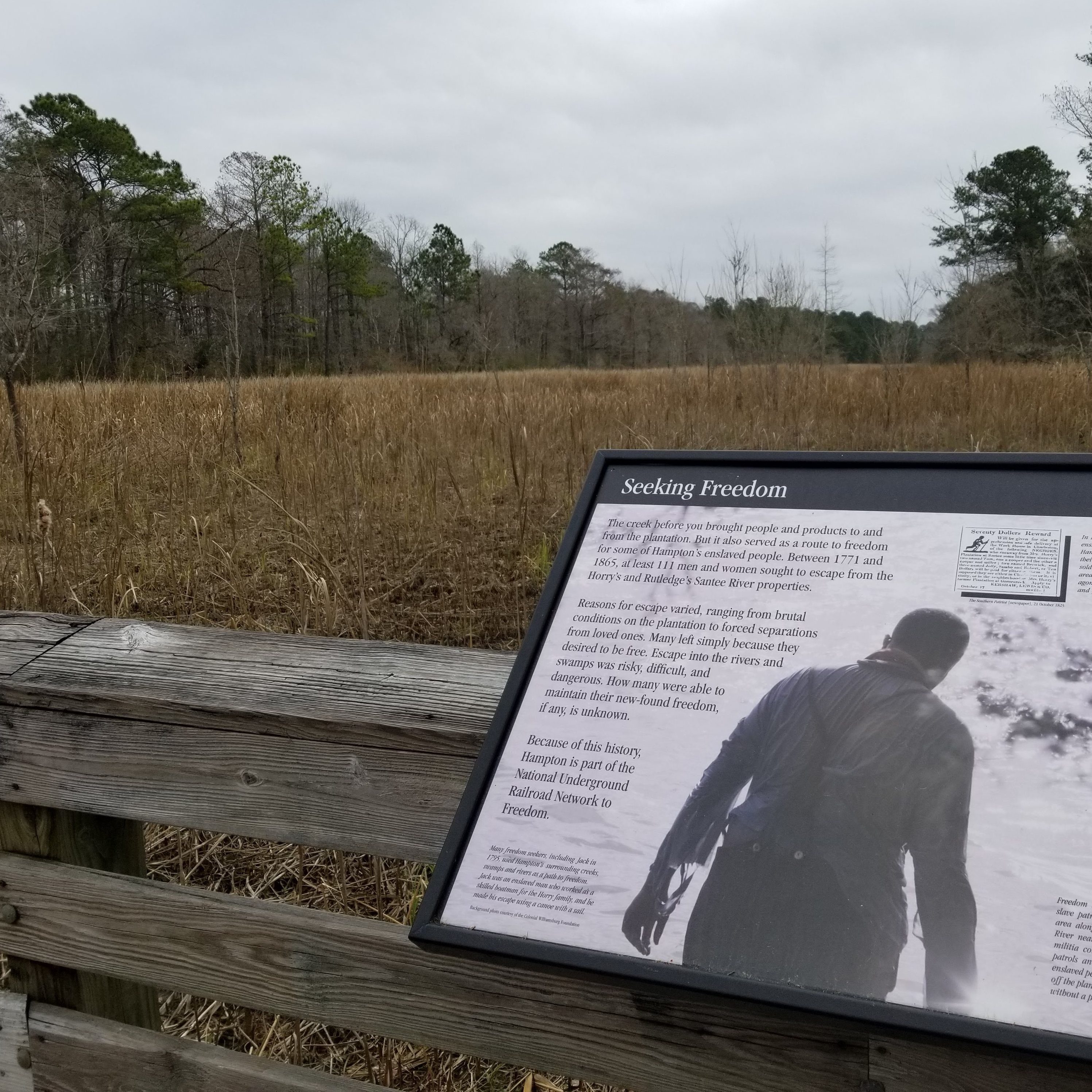
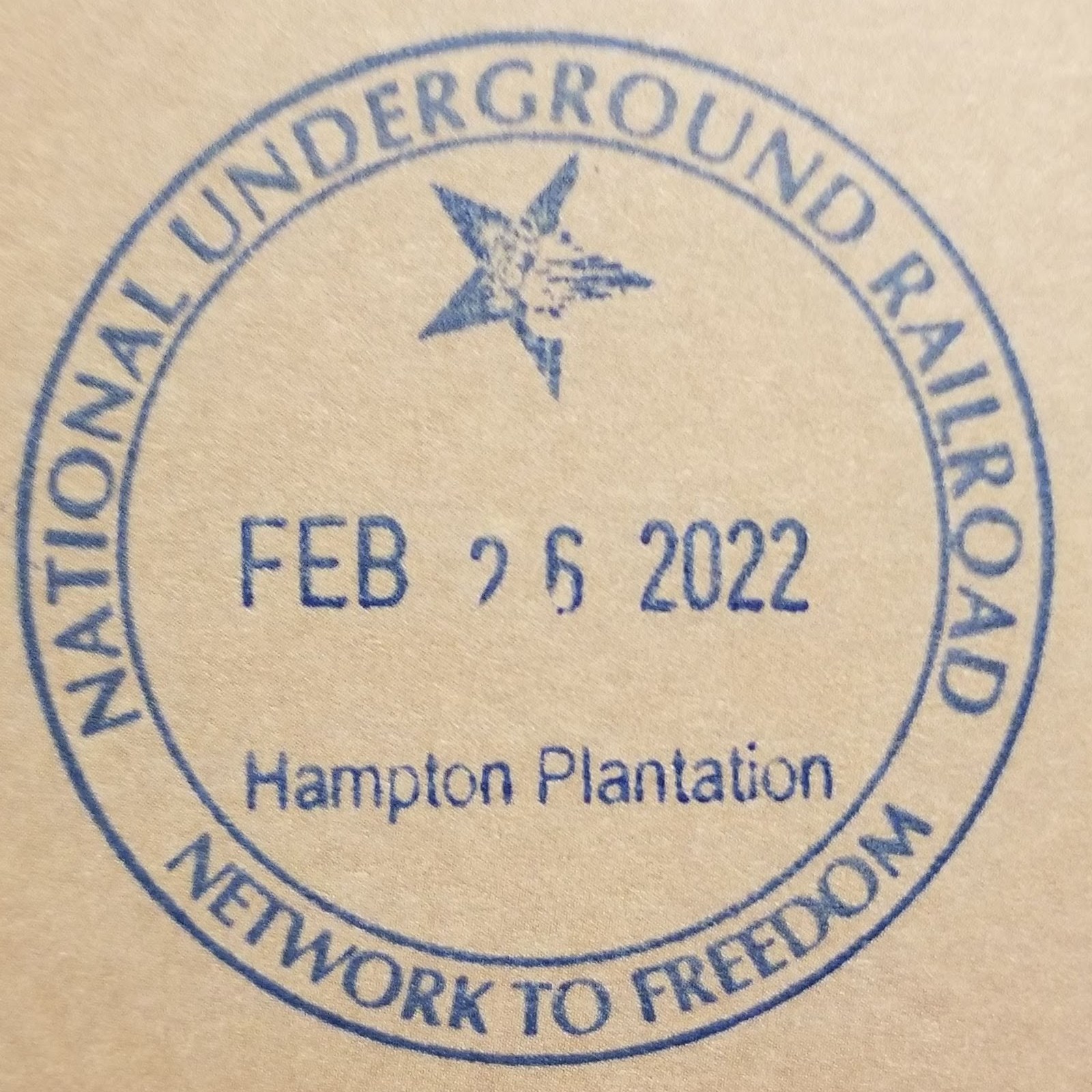
The plantation was home to many enslaved individuals who worked the fields (primarily rice and indigo). The nearby creek offered a means for irrigation for the rice fields, but it also served as an avenue for escape. The records of the escaped slaves helped earn Hampton Plantation a spot in the National Underground Railroad Network to Freedom.
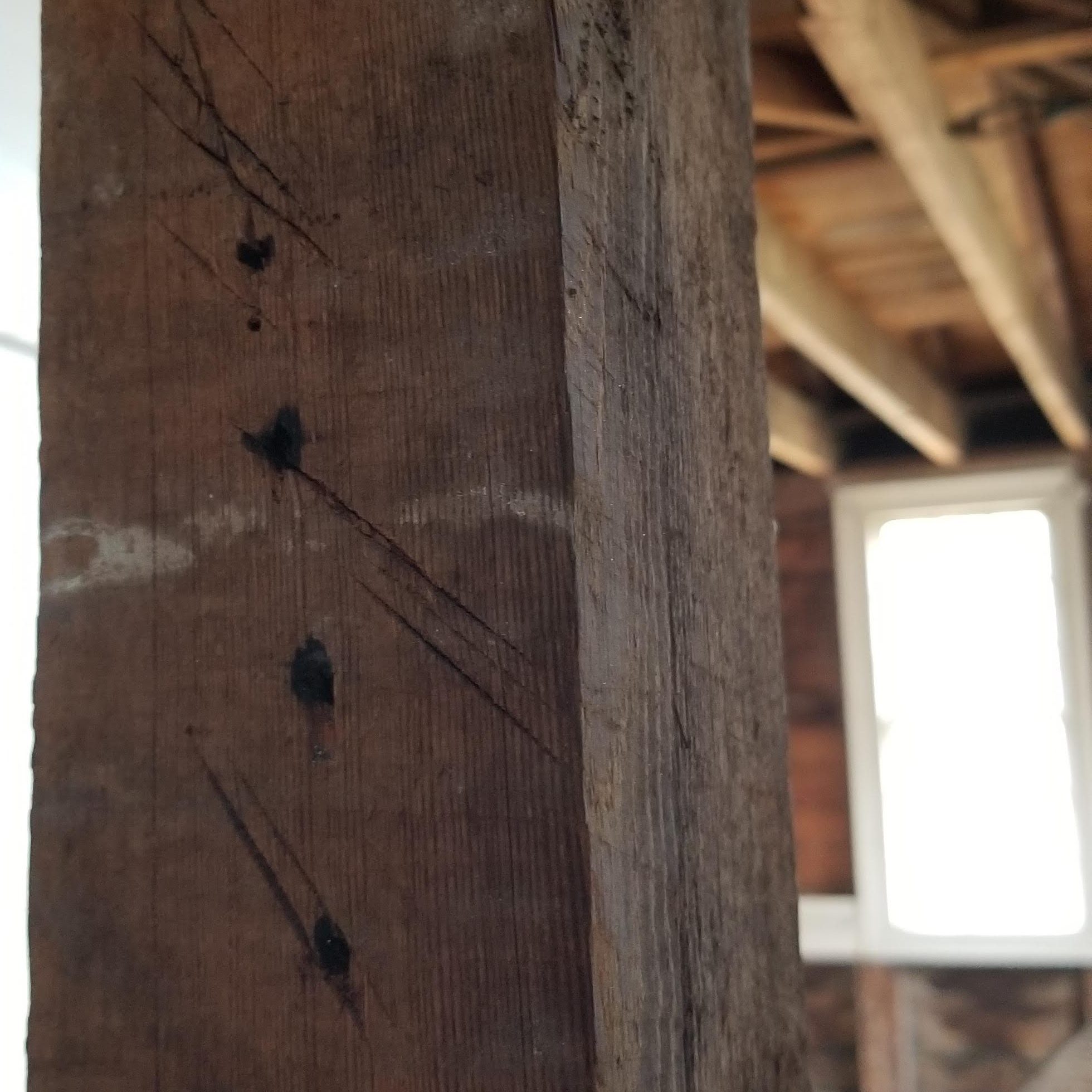
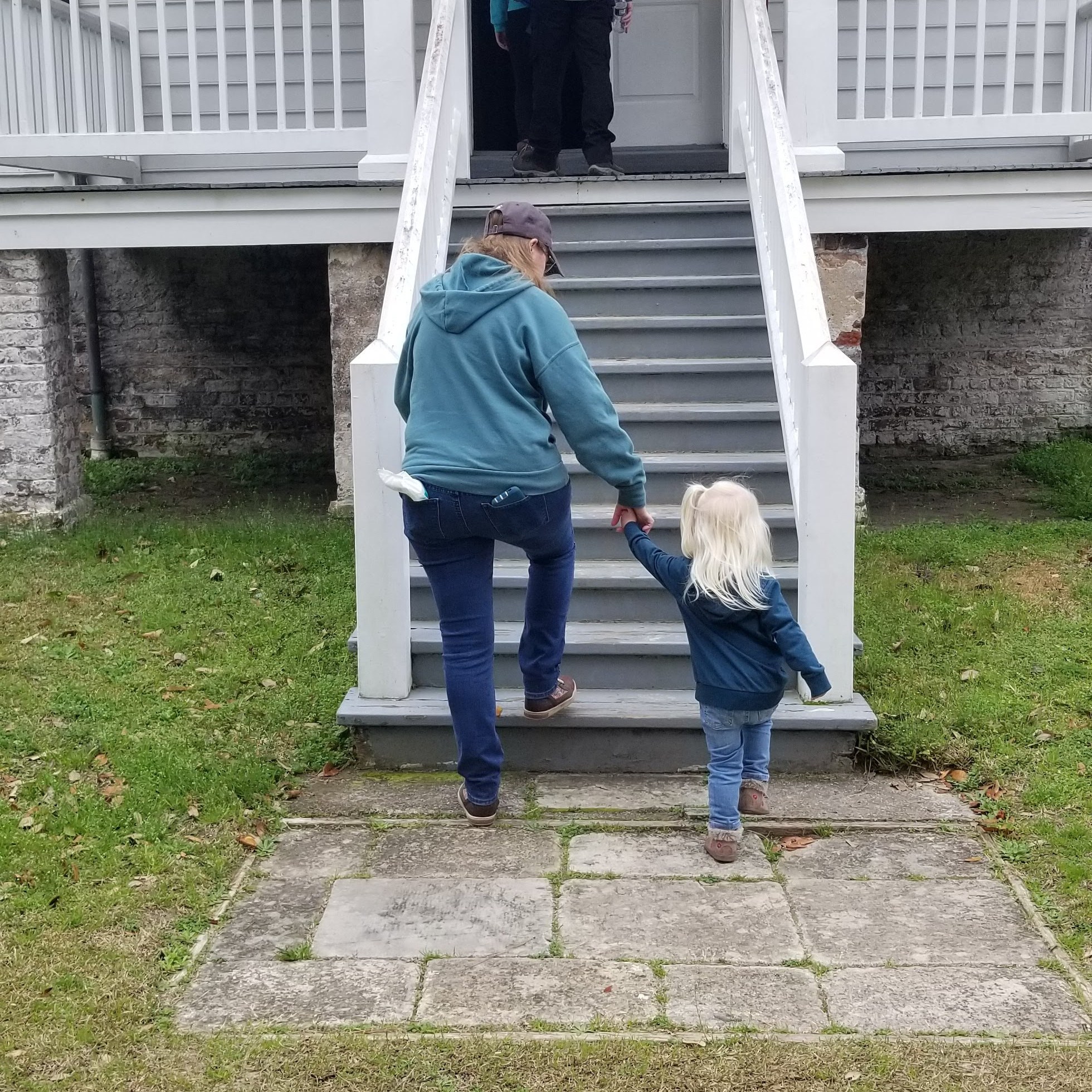
We enjoyed a tour of the house itself, noting some of the original features of it, including the beams that the slaves cut by hand. Through the tour, it really hit me that it was the slaves that quite literally built the plantation, yet it was the master who got all of the credit. While this is true of many systems nowadays (the CEO of the company receiving the big awards instead of the employees), at least the CEO will/can/should offer thanks to his/her employees, the employees weren’t forced to work for that company, nor do the employees risk their life in order to flee the company.
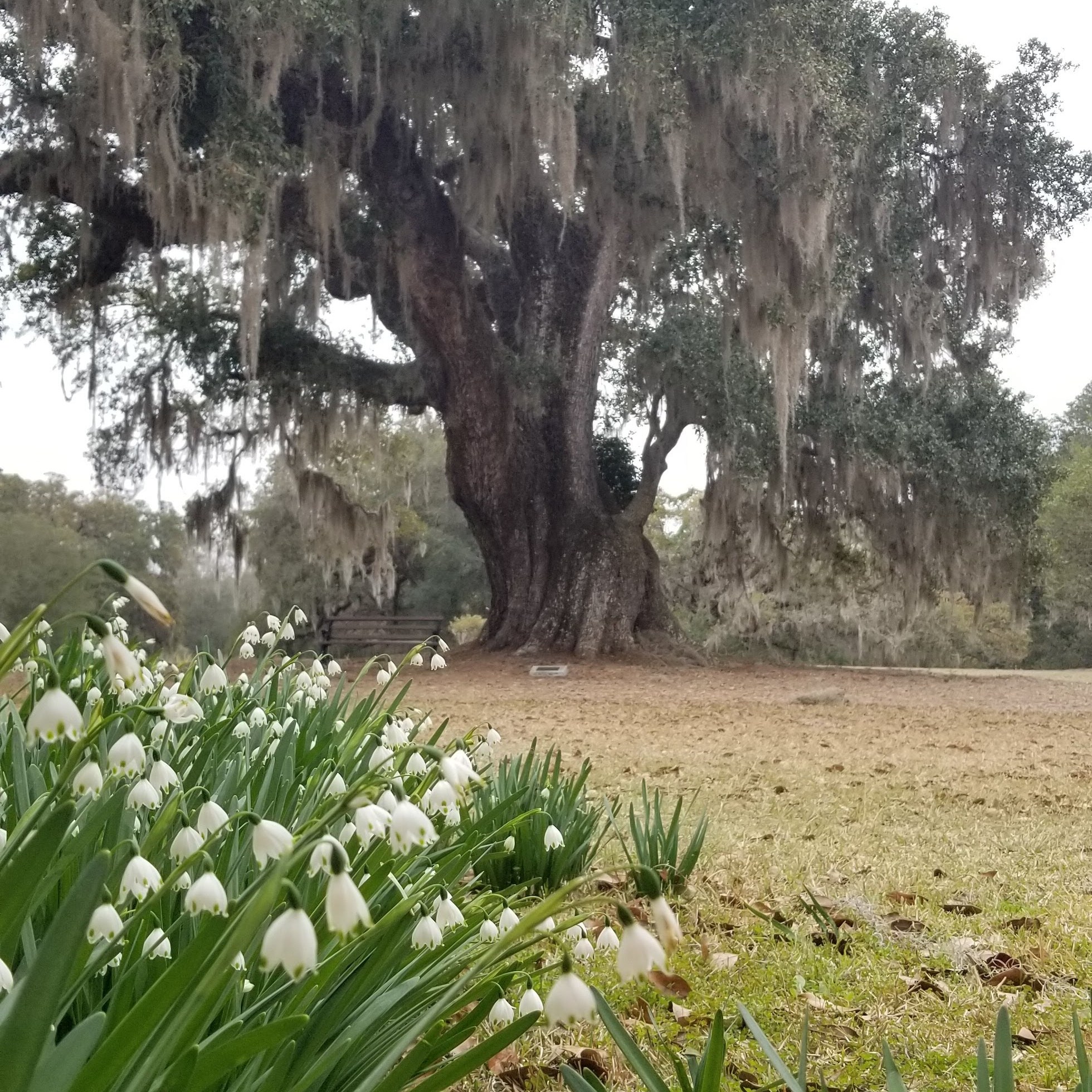
The trip was educational, enjoyable, challenging, and beautiful. We ended our time walking through the gardens where Archibald Rutledge (the first poet laureate of South Carolina) and his family are buried. Then, we began our drive back to Columbia. It was a great tour through an area of the state I don’t frequent, but I look forward to returning in the future.
 Beavers in the Park