
After two months of no new parks (thanks, whirlwind of a spring semester!), the Beavers got to visit a much-anticipated park on the way home from a trip to Atlanta.
We stopped at Redcliffe Plantation, located outside the small town of Beech Island, near Augusta, GA. Redcliffe was the home of James Henry Hammond, his family, and the slaves he owned.
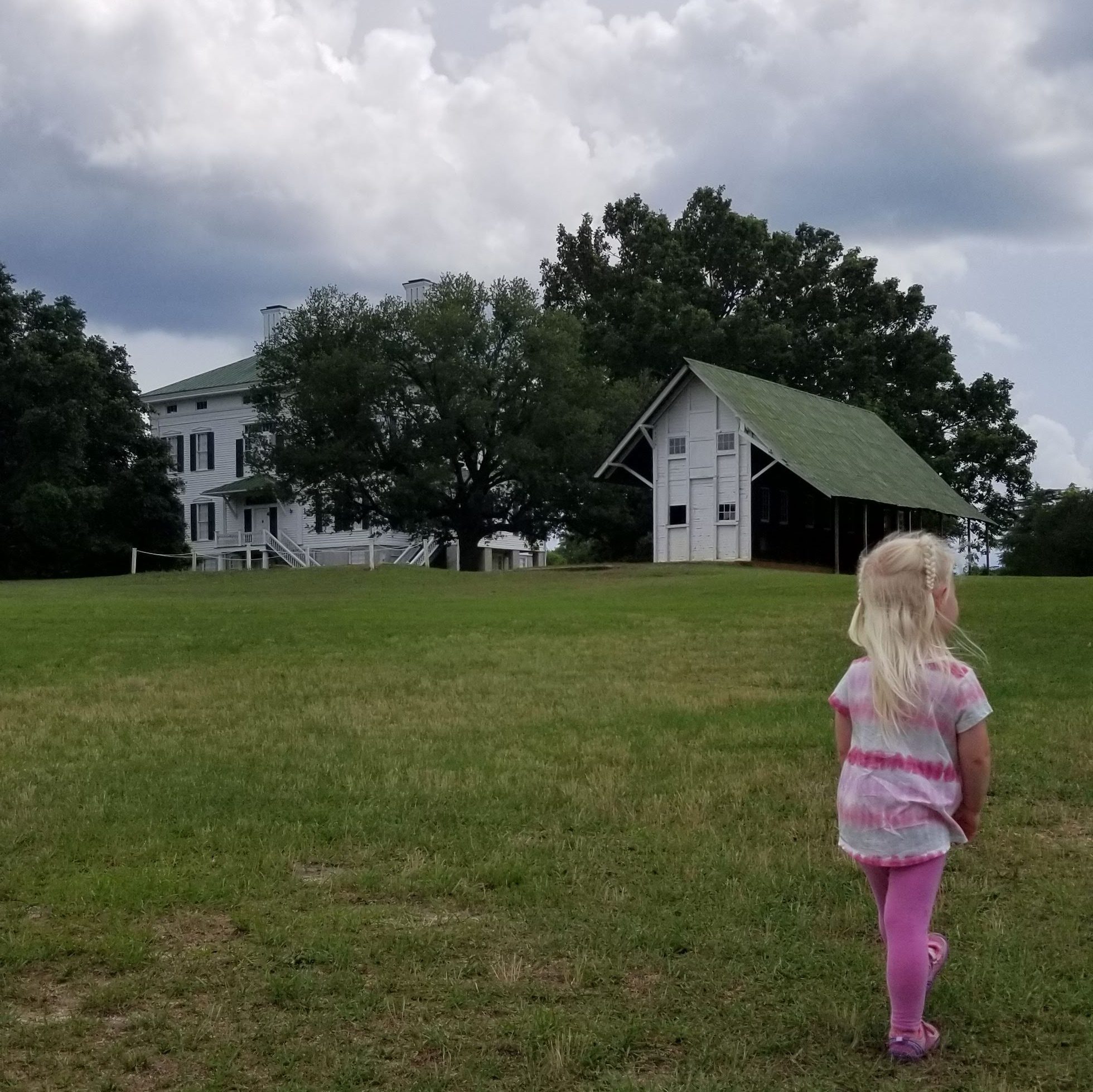
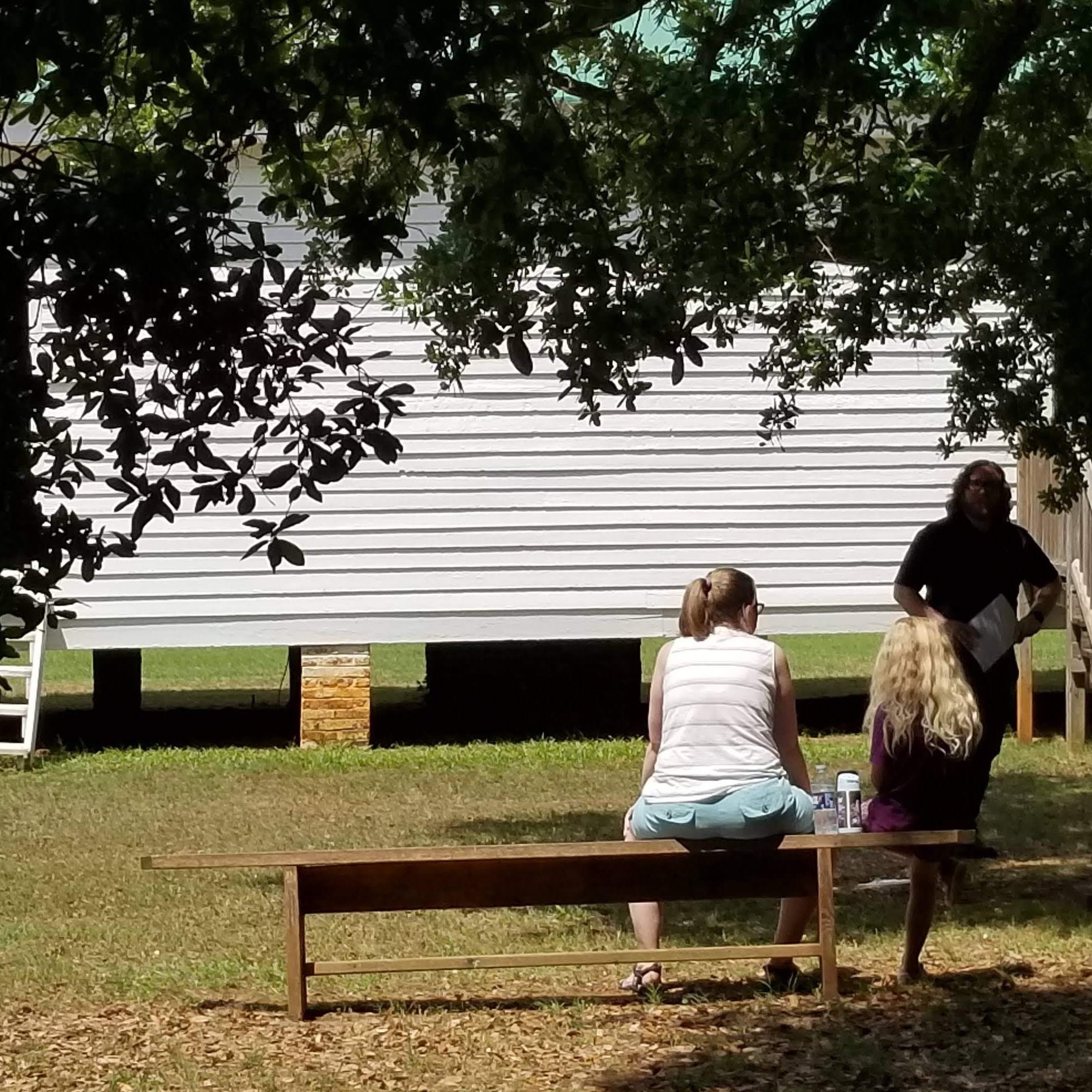
We had signed up for a tour with a ranger, who spoke in total for about an hour and a half. We started sitting outside under the shade of some old trees while looking at the former slave quarters. Here, the ranger began telling us about some of the history of the property and the slaves. Redcliffe was just one of the plantations that Hammond owned. Redcliffe was mostly for show, with most of the agricultural work being done elsewhere. Still, he had many domestic servants and some other slaves tending to the gardens (not to mention that the house itself would have been built using slave labor).
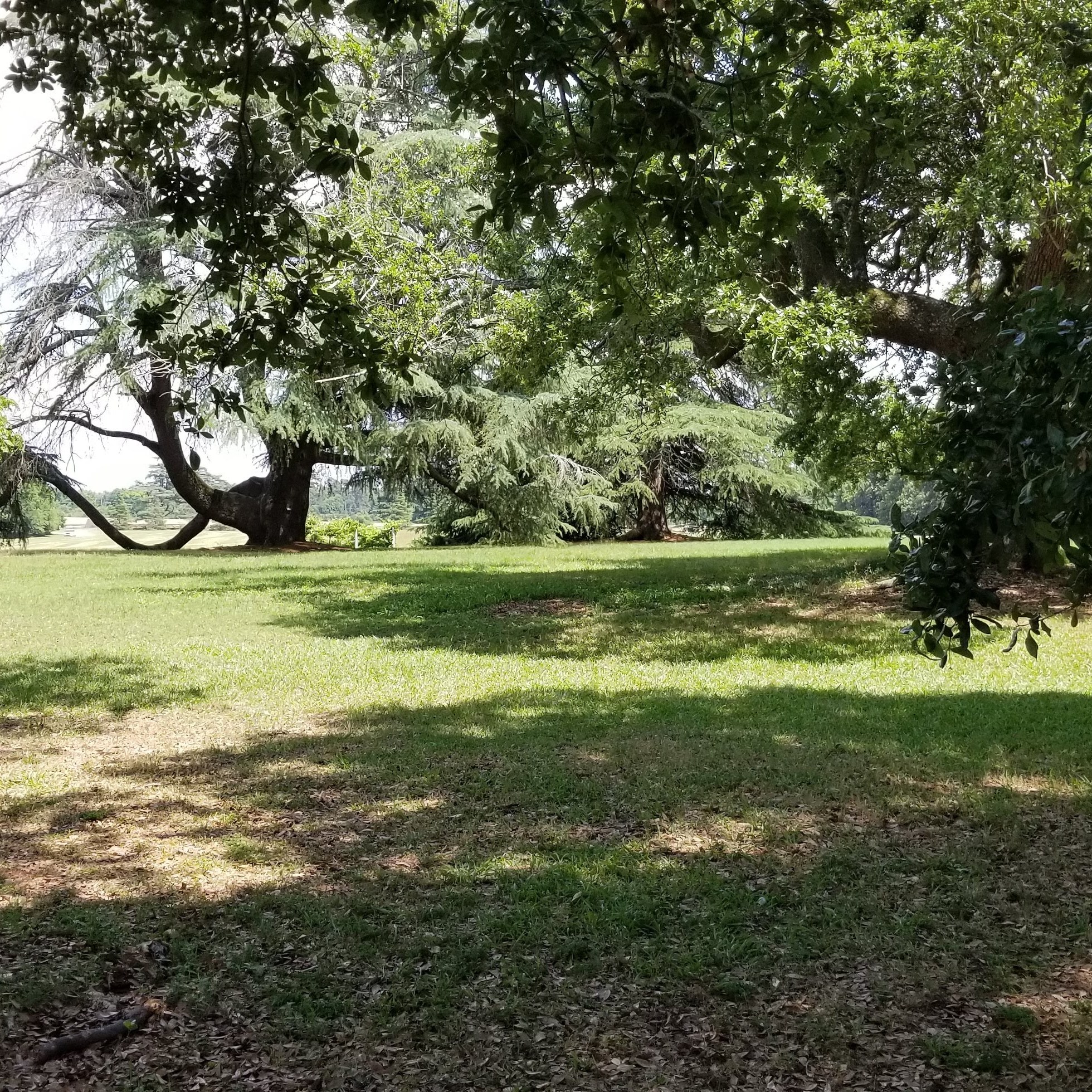
You may have noticed that the stamp for this park was a magnolia. This is because leading up to the house, there is a row of magnolia trees, which were installed to help give the plantation a grander feel (though I didn’t get a great picture of them).

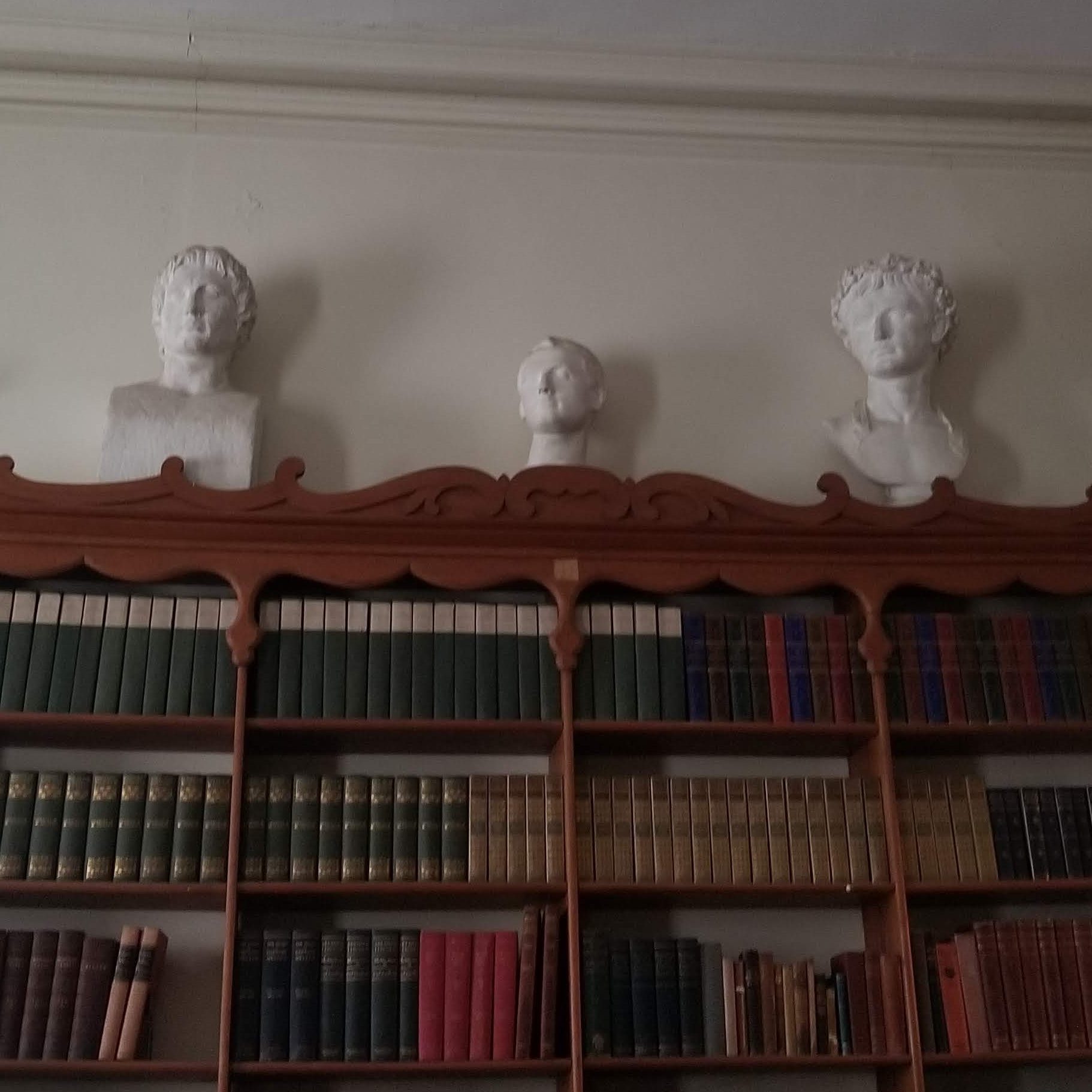
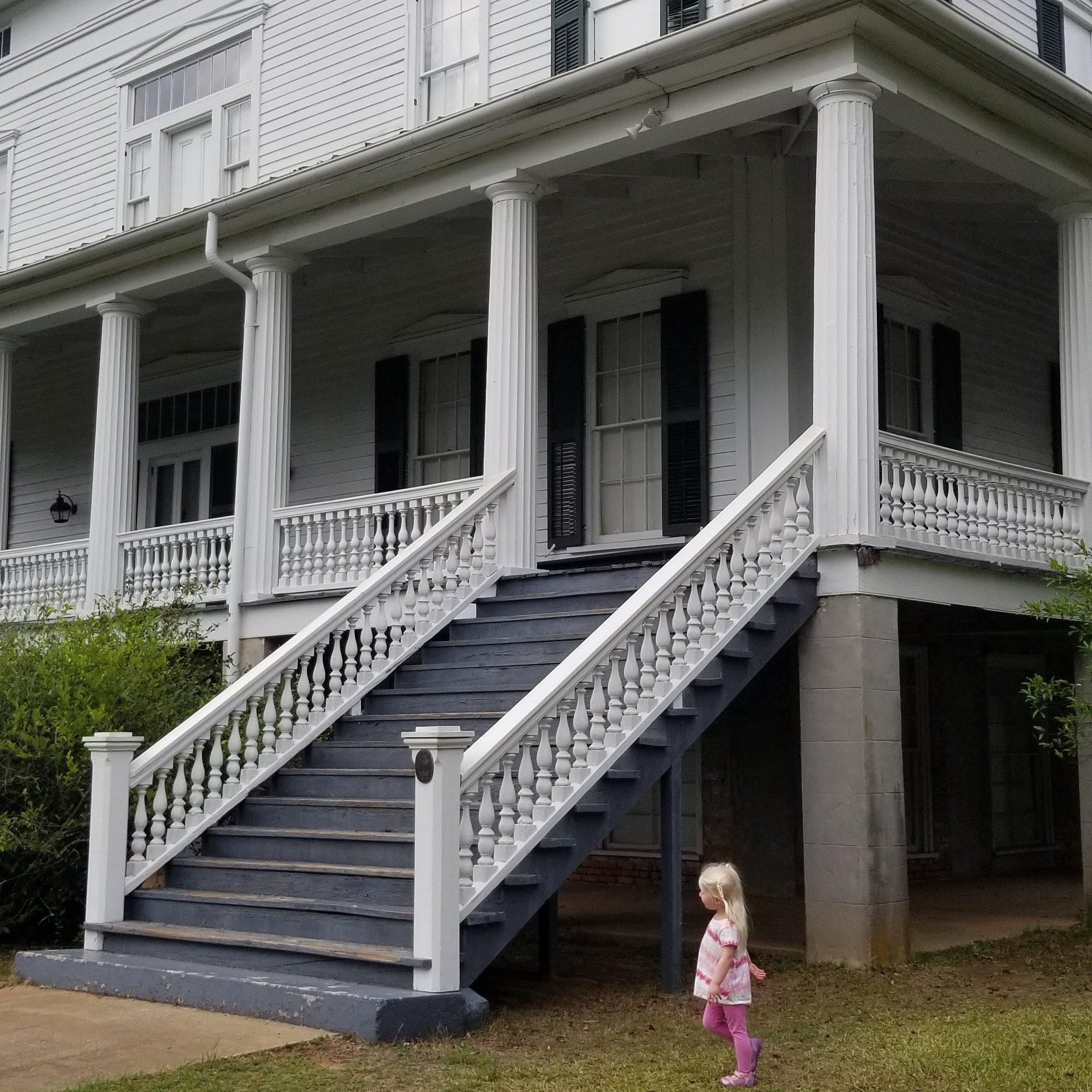
Like many plantation homes, the style of the home itself is Greek Revival, the reference to Greek buildings like the Parthenon potentially hearkening to the belief that these wealthy land (and human) owners were spiritually superior. (Note the image below of the busts that were in the library.)
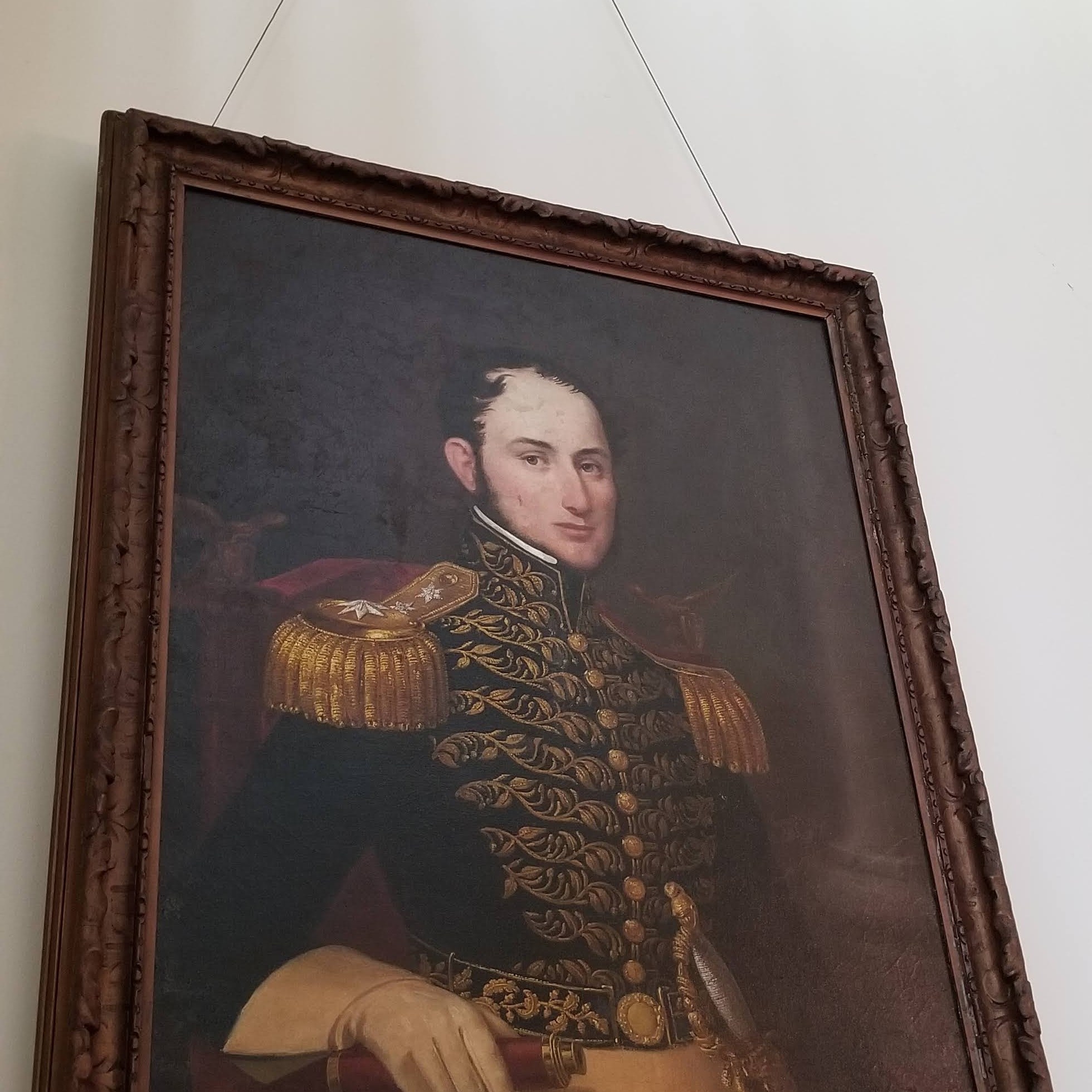
Once we entered the home, we learned more about Hammond himself and some of the lengths that he went through to make his way up the societal ladder. He himself was a first generation South Carolinian (his dad being from the North). As such, he wasn’t the product of old money and had to marry into it. Who was his wife? None other than the sister of Wade Hampton II, whose name you’ll recognize if you’re familiar with SC history. That afforded him the status (earned through the land he acquired) needed to move up.
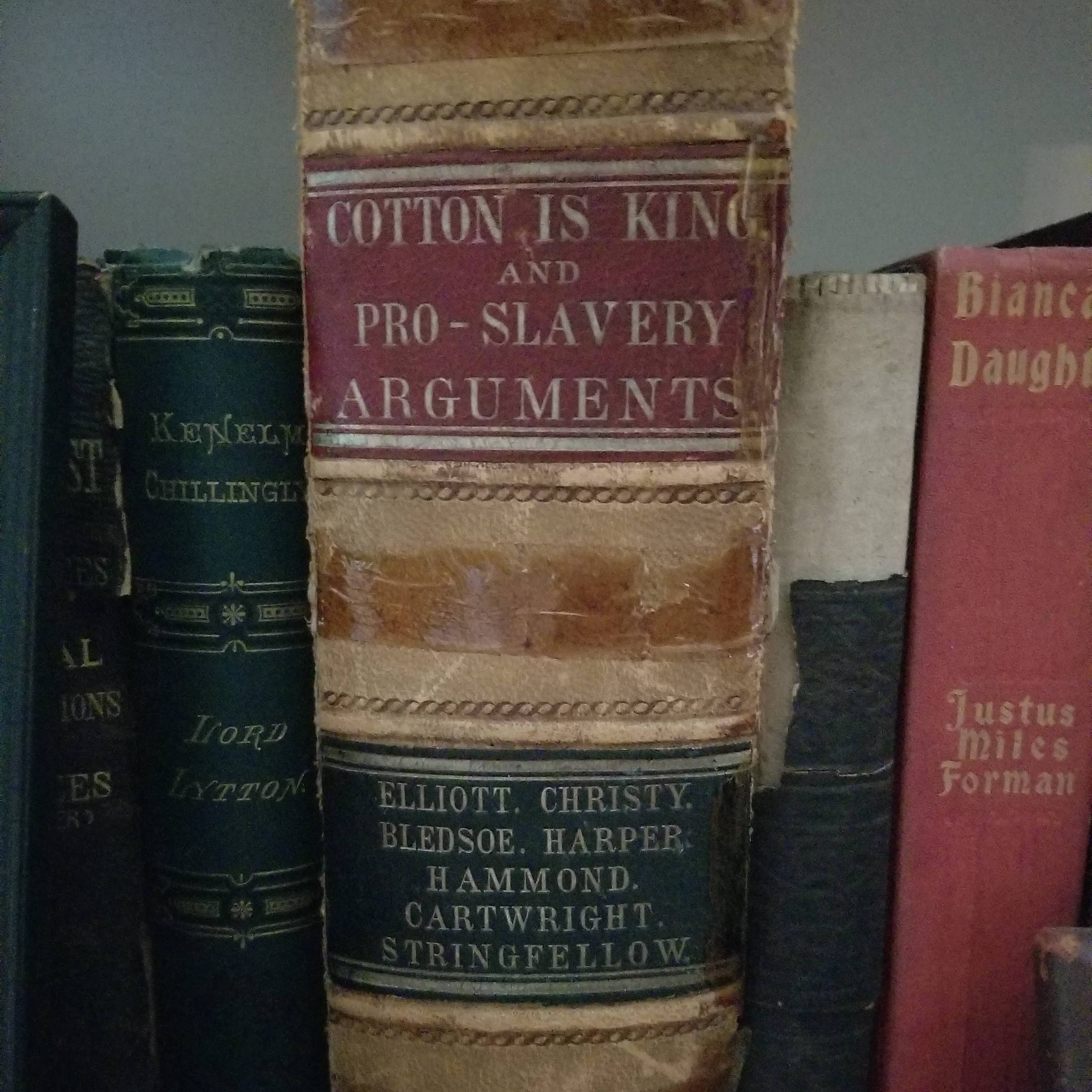
As a politician, perhaps he is most noted for his ‘Cotton is King’ speech in Congress. Interestingly enough, in the library in the home, the ranger pointed out that two of the oldest books there are the family Bible and a book he himself helped to author (see below).
Not only was he a staunch supporter of slavery, he also raped his nieces and his slaves. For all of these reasons, it’s easy to see how the Hammond name is controversial.
On a lighter note, Hammond’s great-grandson was John Shaw Billings. He was an editor for Time and Life magazines. It was he who handed over the plantation (along with all of the primary sources, like documents from Hammond himself) to the SC Department of Parks, Recreation, and Tourism.
I’m glad we got a chance to visit Redcliffe Plantation. Though it’s a somber reminder of some of the uglier parts of the state’s history, it’s necessary to know, and it allows us to look at where we are today and be thankful for where we’ve made progress (as well as evaluating where we still need to grow).




 Beavers in the Park