
After a great time at Santee State Park and neighboring National Wildlife Refuge, we headed down I-26 towards Charleston. Once in the area, we headed towards Mount Pleasant until we arrived at Charles Pinckney National Historic Site.
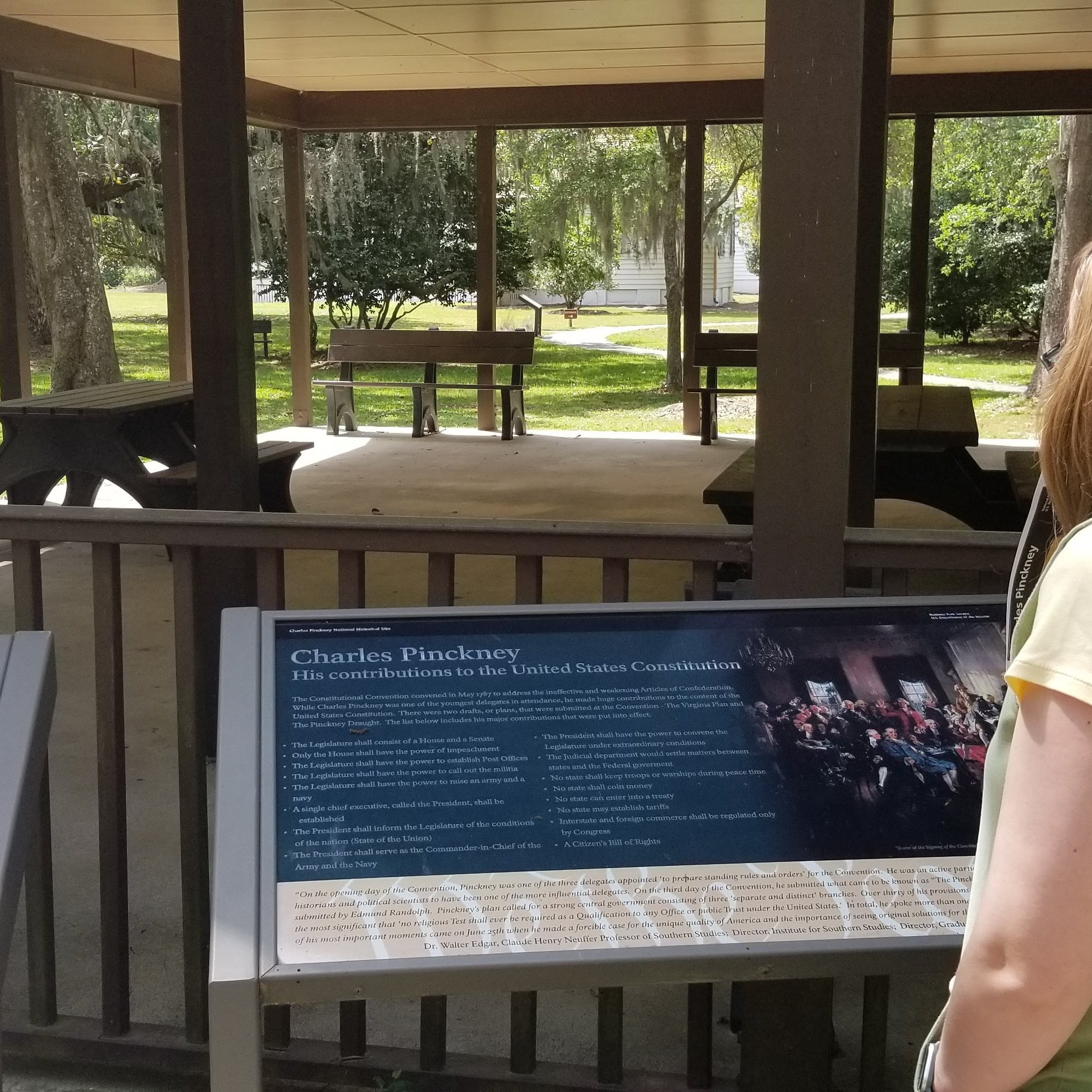
If you are from South Carolina, you may recognize the name Pinckney as being familiar. The Charles Pinckney referenced in the name of this NHS is one of the ‘Founding Fathers’, in that he was one of the signers of the Constitution and helped contribute to its ultimate content, most notably that our Legislature should be divided into the House and Senate. Before this, he served in the American Revolution, and afterwards, he held political office, most notably four terms as SC’s governor.
Many others of Charles Pinckney’s relatives were influential. His dad Charles was a colonel in the American Revolution. His first cousin once removed Charles Cotesworth was also a signer of the Constitution. His great aunt Eliza Lucas Pinckney is credited with establishing the indigo industry in South Carolina. (Read more about the Pinckney family here.)
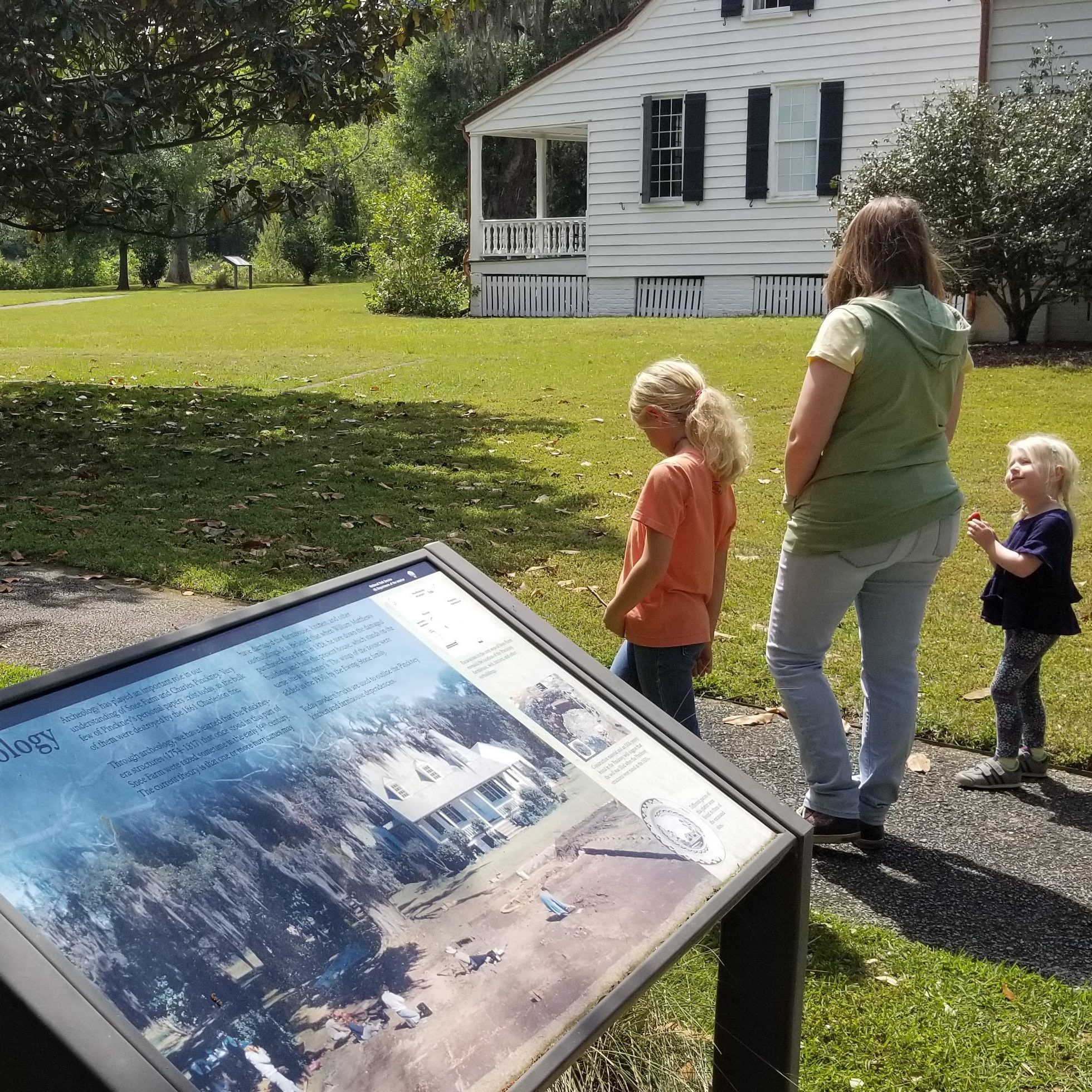
The site preserved today is a 28-acre remnant of Snee Farm, which is one of seven plantations that Charles Pinckney owned during his life. His father had purchased the original 700+-acre plot a couple of years before he was born. While Charles never lived here at the farm permanently, he did spend a lot of time here growing up. It’s also here at this site that George Washington visited (on Charles’s invitation, if I’m not mistaken) in 1791 in his tour of the south. (On that tour, Washington also visited Hampton Plantation up the road in McClellanville, which we got to visit last year.)
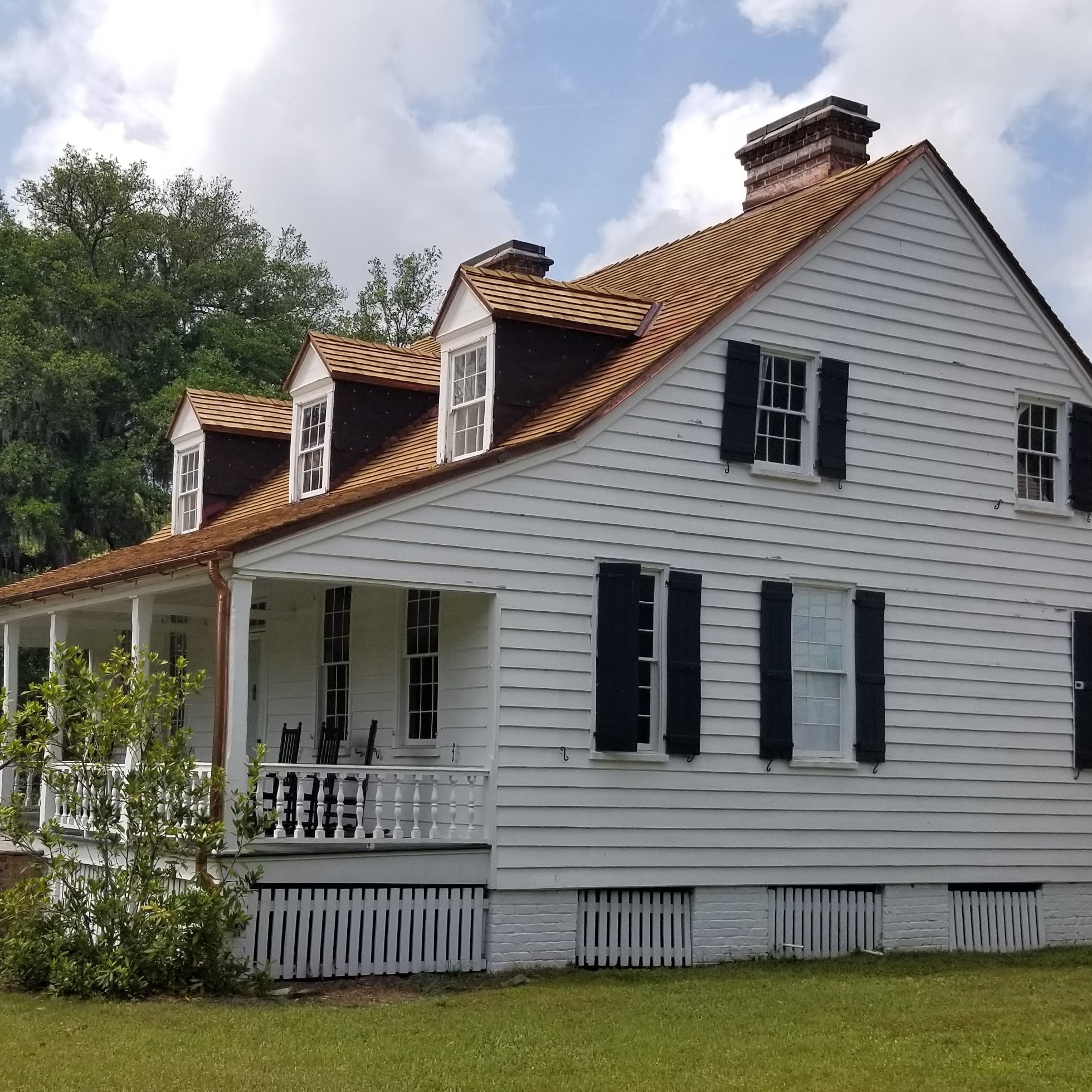
The site now is home to a nineteenth-century cottage, which was built after the Pinckney sold the land, as well as some land that still mimics some of the original use (rice production, etc.). Unfortunately for us, the visitor center was closed due to staffing, so we weren’t able to enter to see some of the archeological findings from the time Pinckney owned the land.
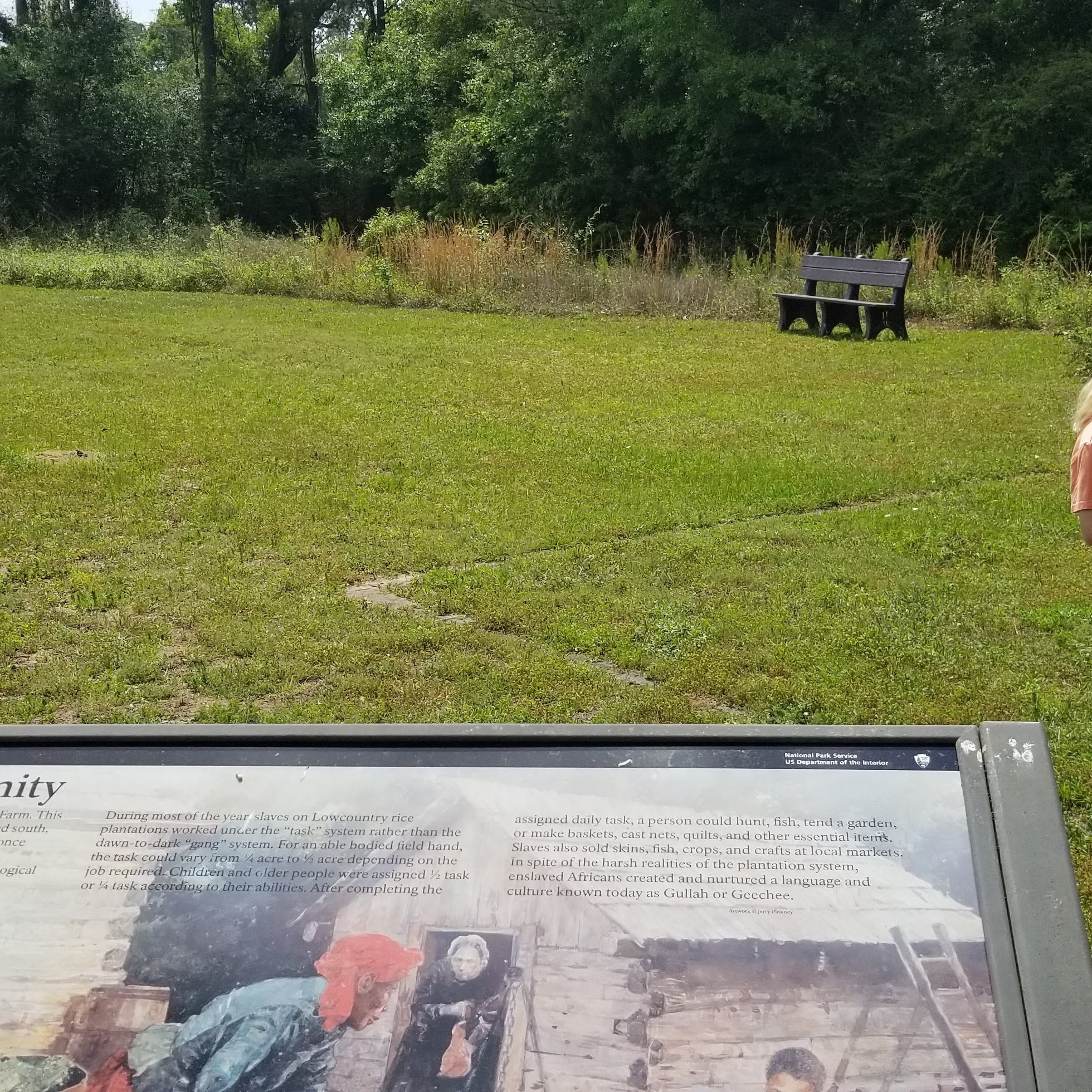
We still enjoyed wandering the grounds (though the air was warm and the sun was strong). There are signs around the site telling about the life of the Pinckney family, the enslaved that worked here, and the site itself. There are some areas where they’ve outlined where former buildings like slave quarters would have stood. And of course, there are some marvelous live oak trees with Spanish moss hanging from the limbs.
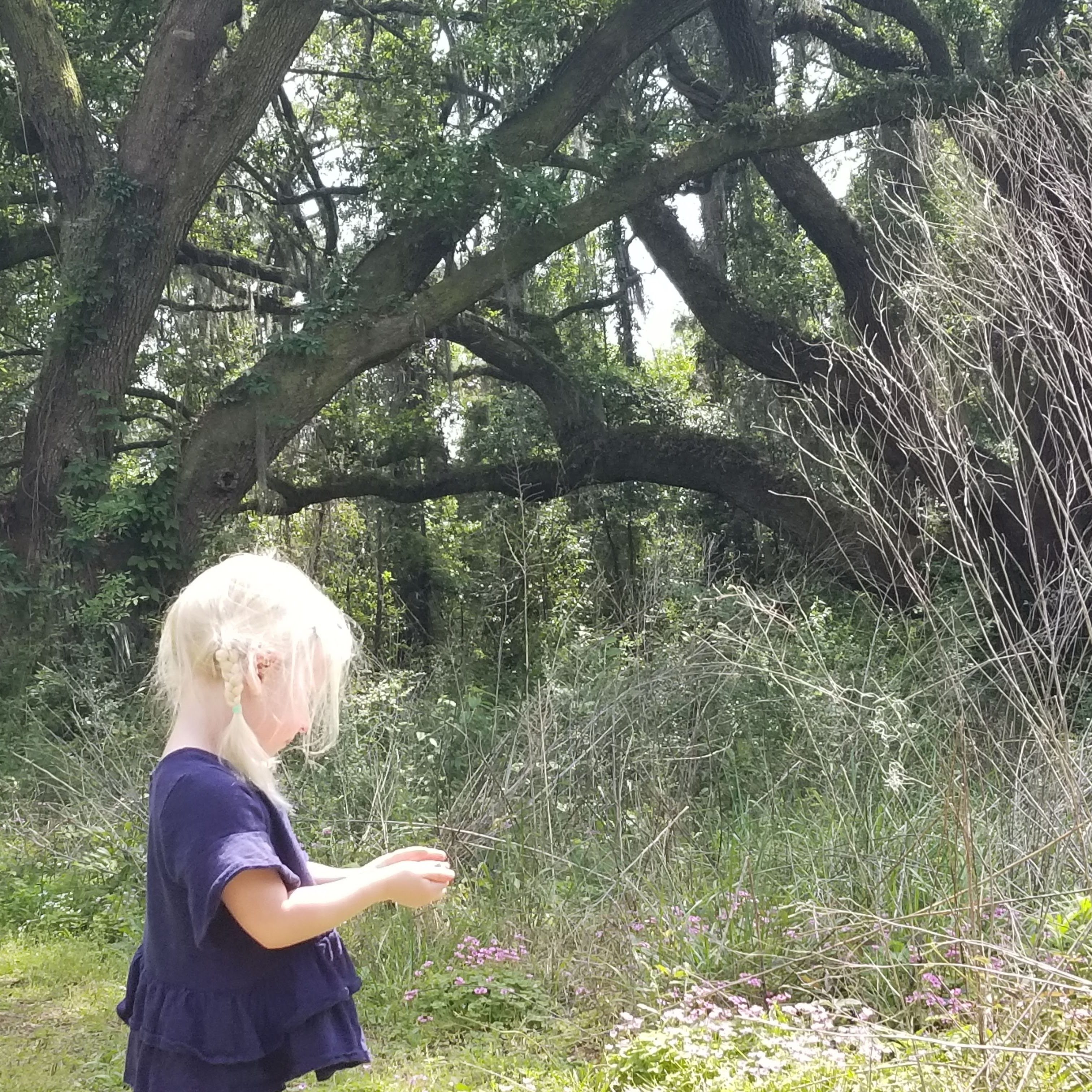
While the site itself perhaps isn’t as grand as some of the surrounding plantations, it has ties to an important family in our state and nation’s history. (Bonus: It doesn’t cost as much as Boone Hall or Drayton Hall, as this site is free!) After this, we hopped in the car and drove just down the road to Fort Moultrie to continue learning about important places from our history. Click below for a few more pictures from our visit!
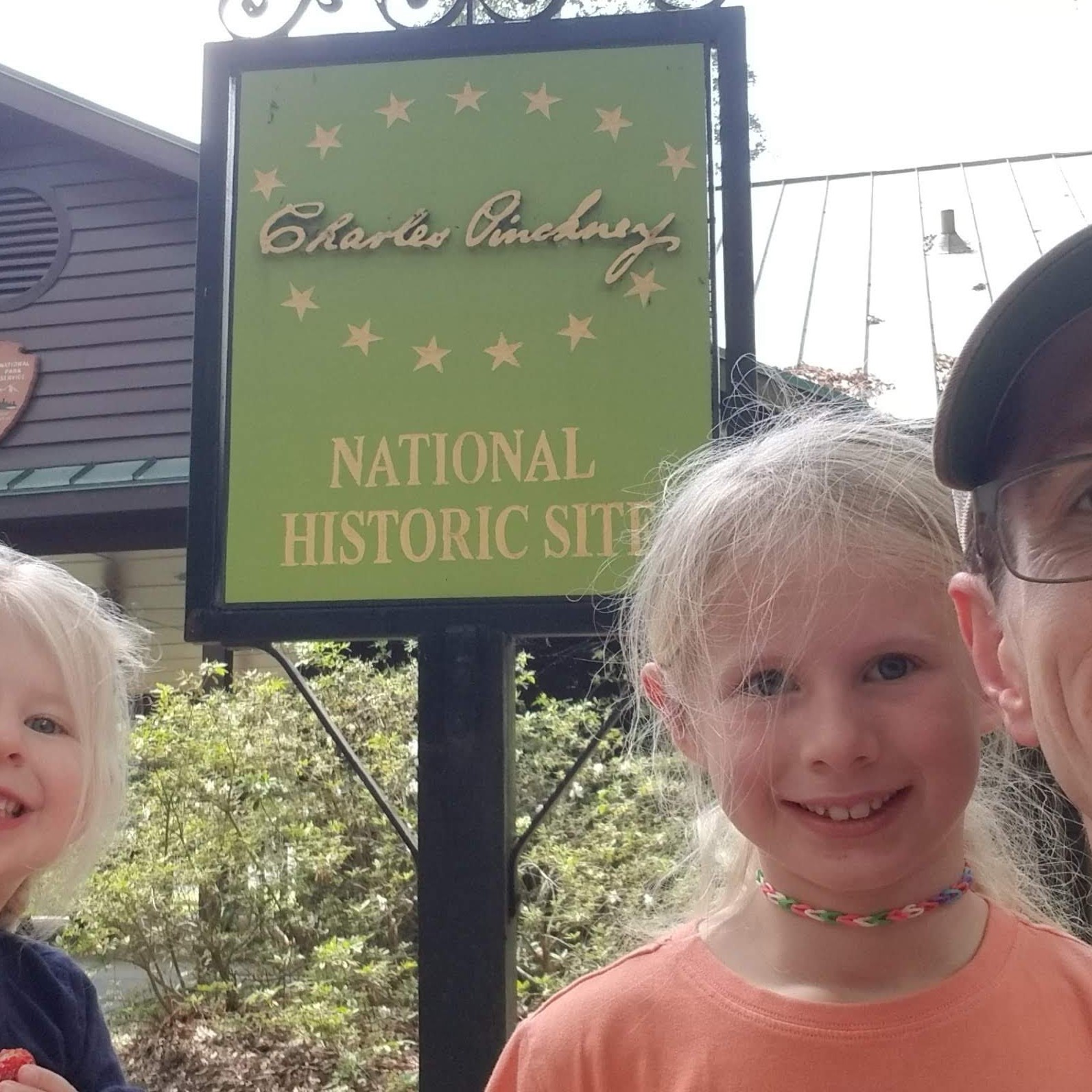

 Beavers in the Park