You’re in for a treat in this post. Not only will it cover our visits to both forts in the Charleston area, but I’ll also tell about some of the other fun things we did in the area, a few of which being tied to the National Park Service and the U.S. Fish and Wildlife Service
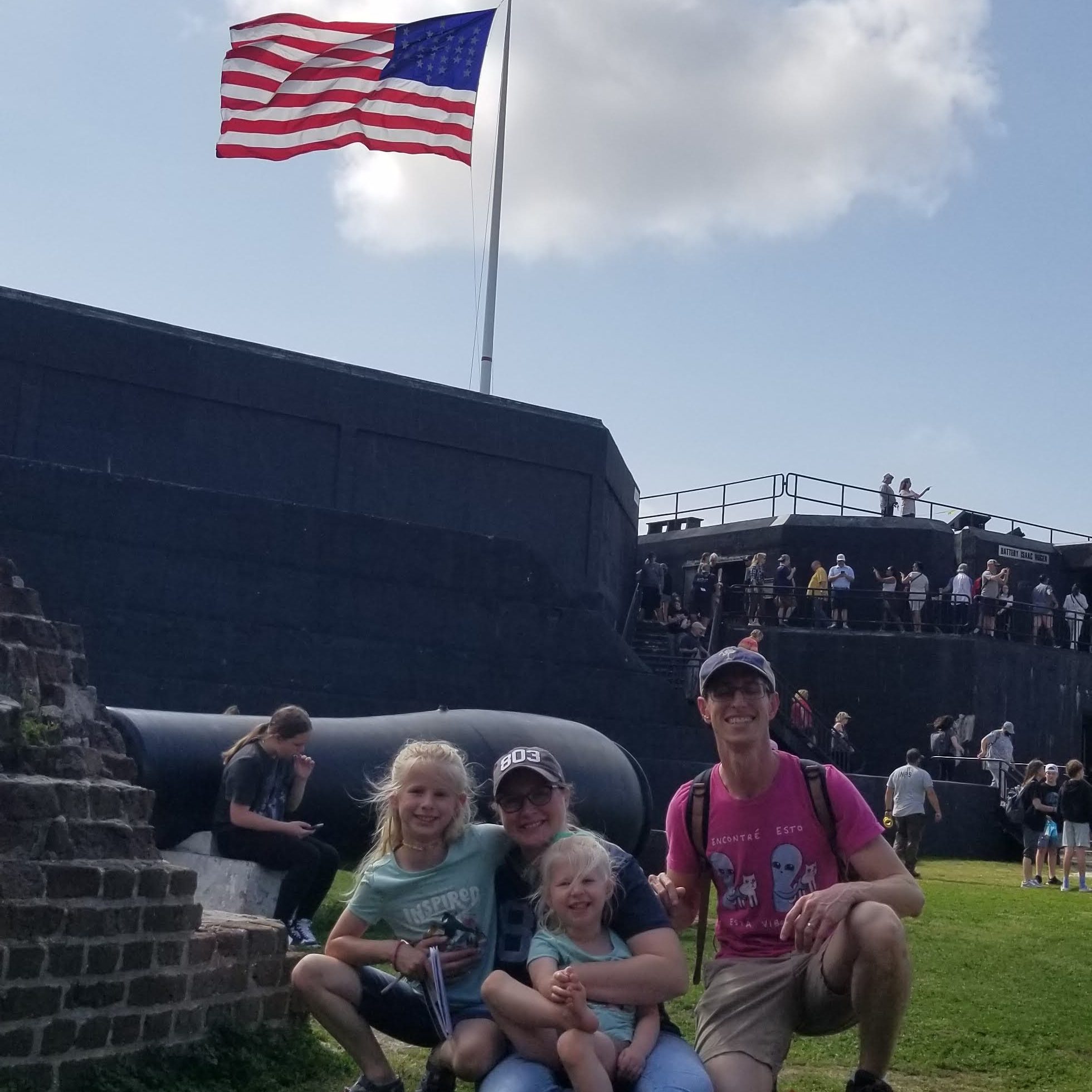
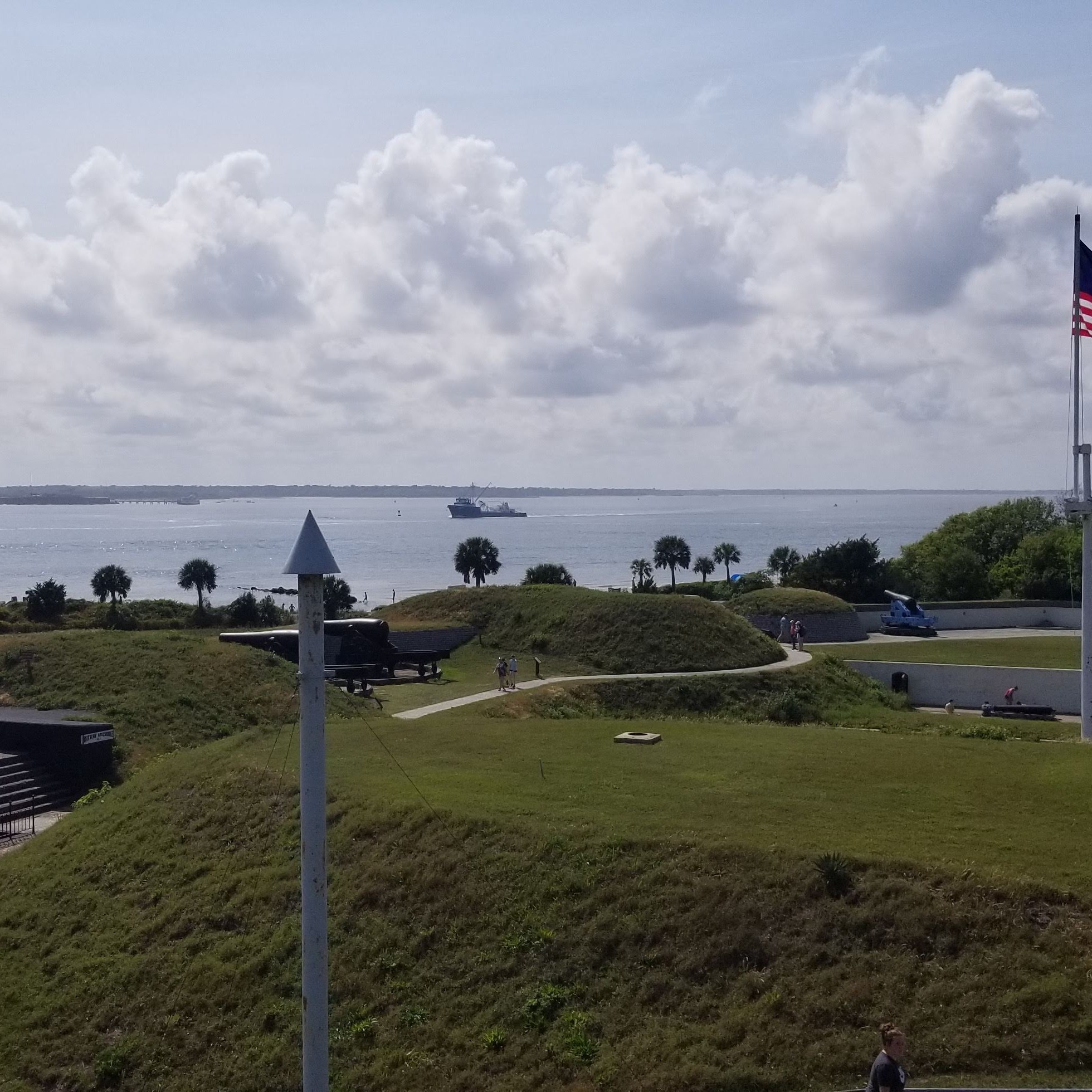
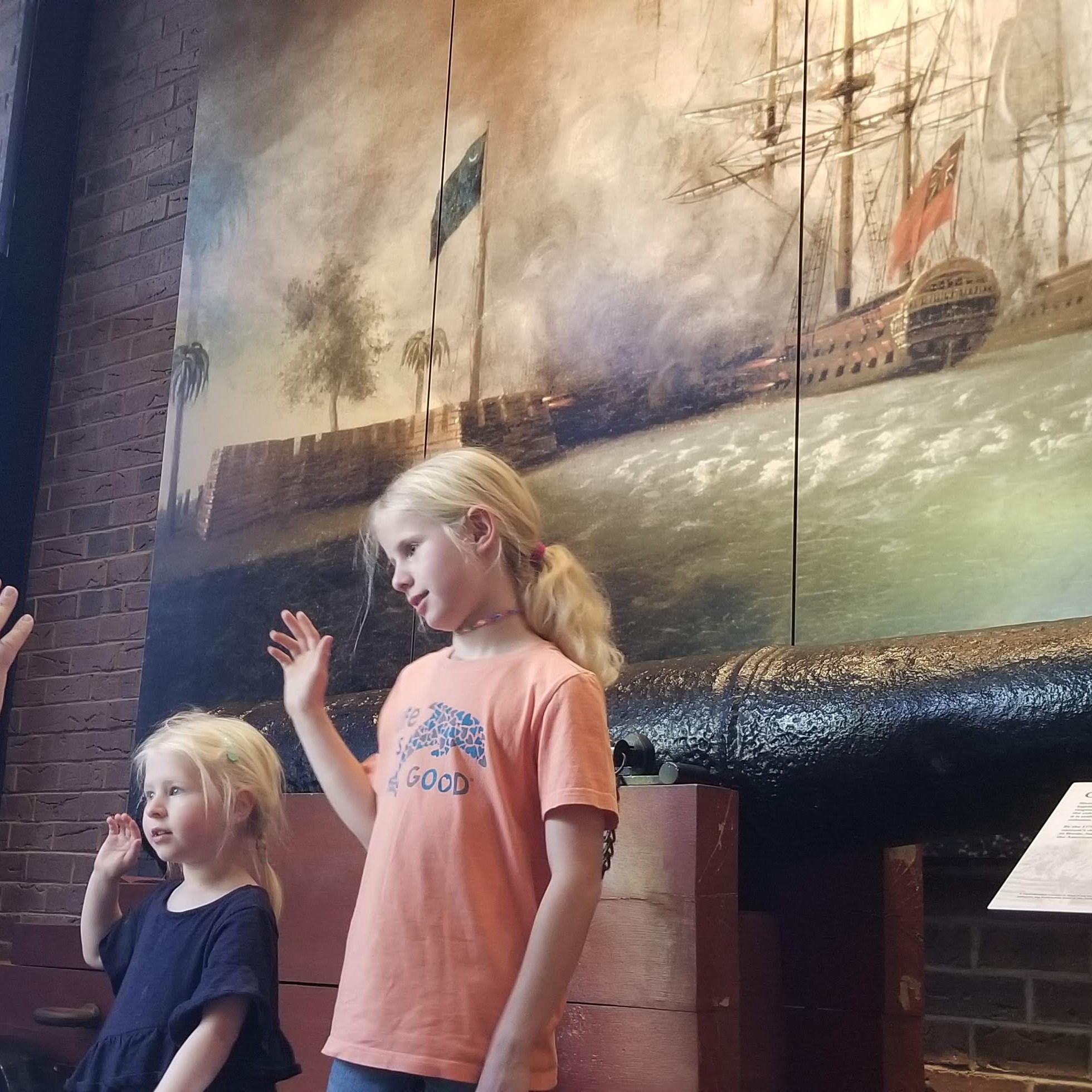
On Wednesday, April 5, after heading to Santee SP and Charles Pinckney NHS, we visited Fort Moultrie on Sullivans Island. The fort has its origins in the American Revolution, where William Moultrie successfully defended an attack from the Royal Navy. The palmetto log fort was able to withstand the strike of the cannonballs. Moultrie had already designed a flag for South Carolina with dark blue mimicking the color of his troops’ uniforms, and a white crescent that mirrored the crescent worn on their hats. The palmetto tree was added at the beginning of the Civil War.
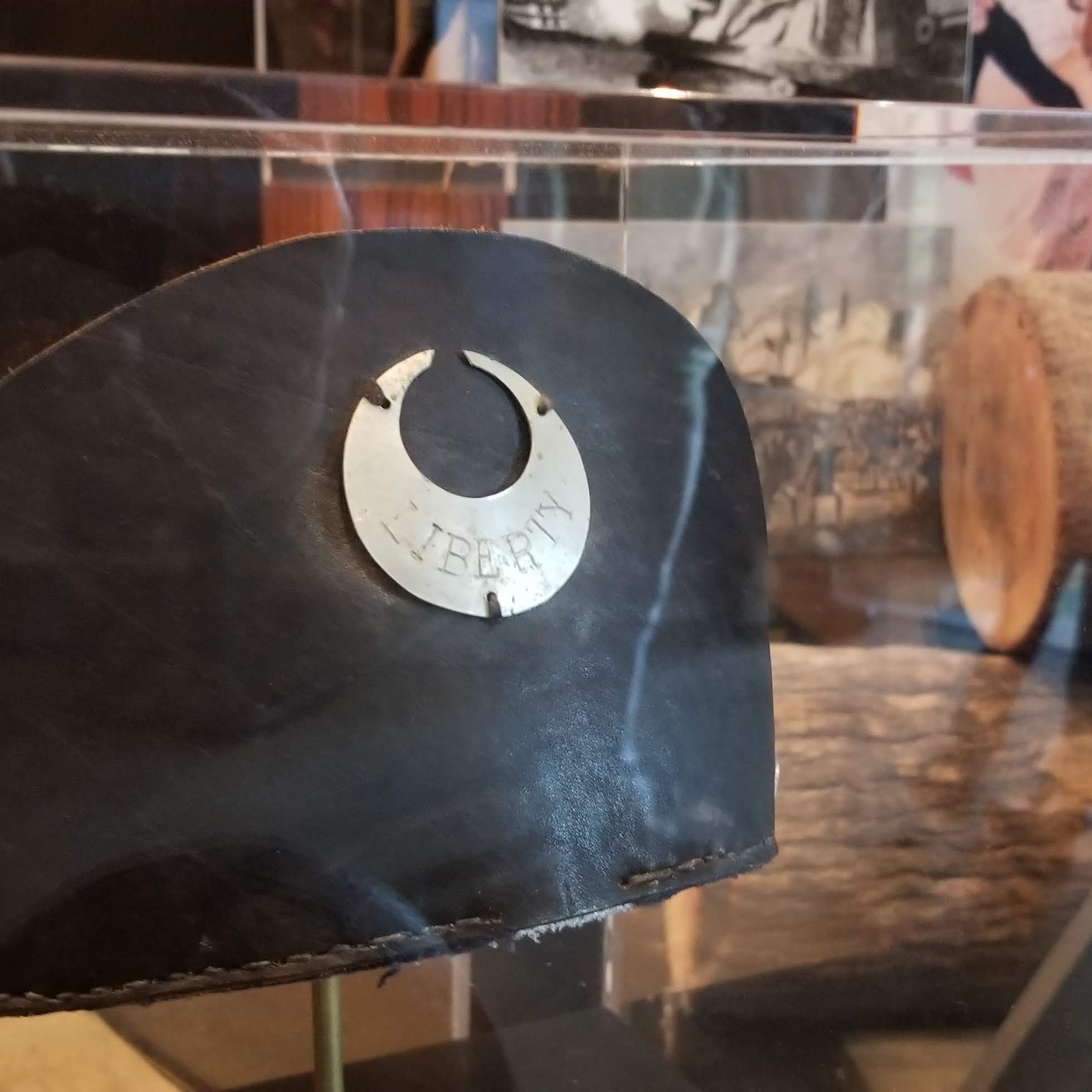
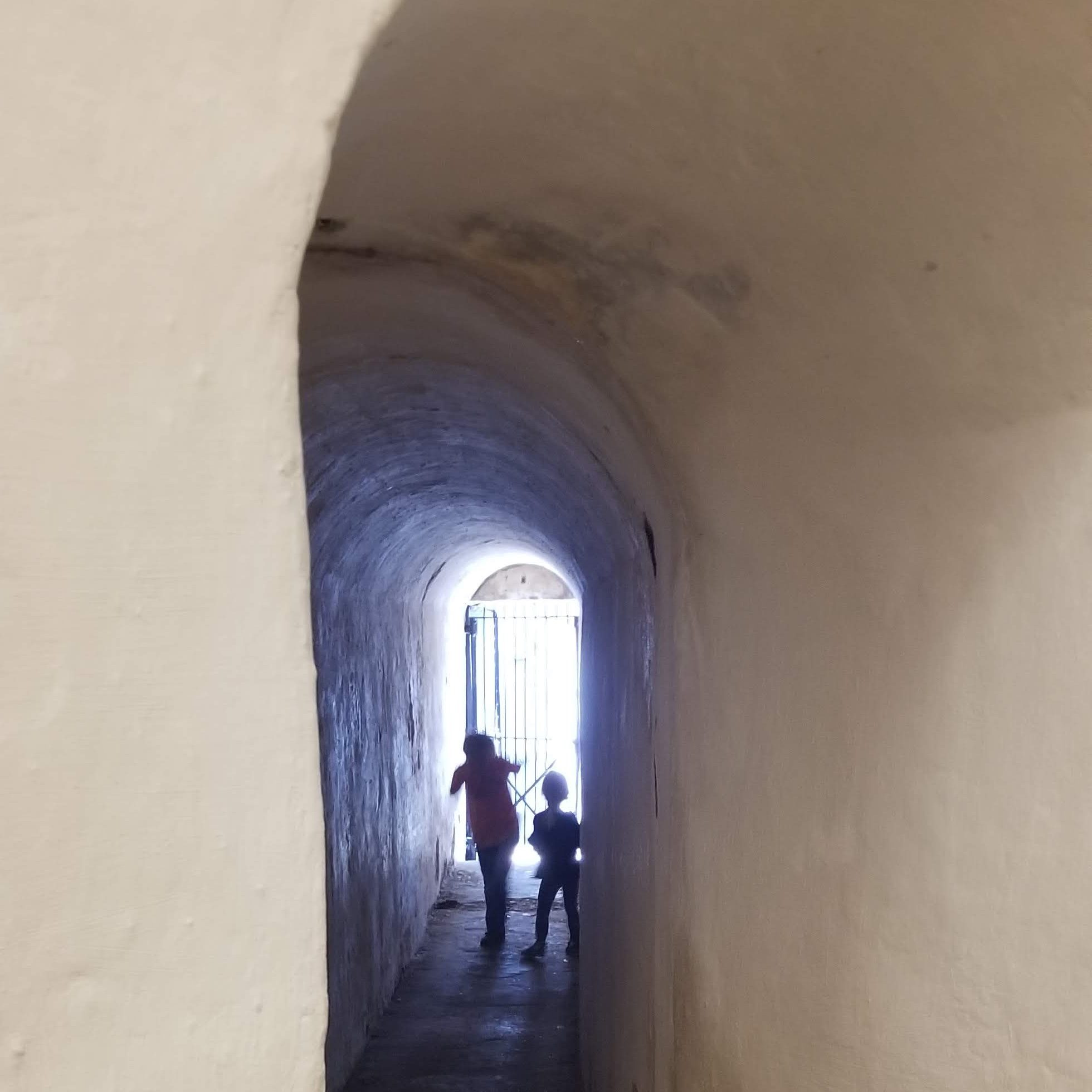
The fort then was consistently utilized up into the time of the World Wars in the 20th century, being rebuilt or renovated to keep in step with the technology of the time. Today, the fort is designed to show the evolution of the fort. Yes, there are a lot of cannons there, but we were most surprised at the part showing how it operated during the World Wars, with all sorts of technology being utilized (radio, radar, telecommunication, etc.).
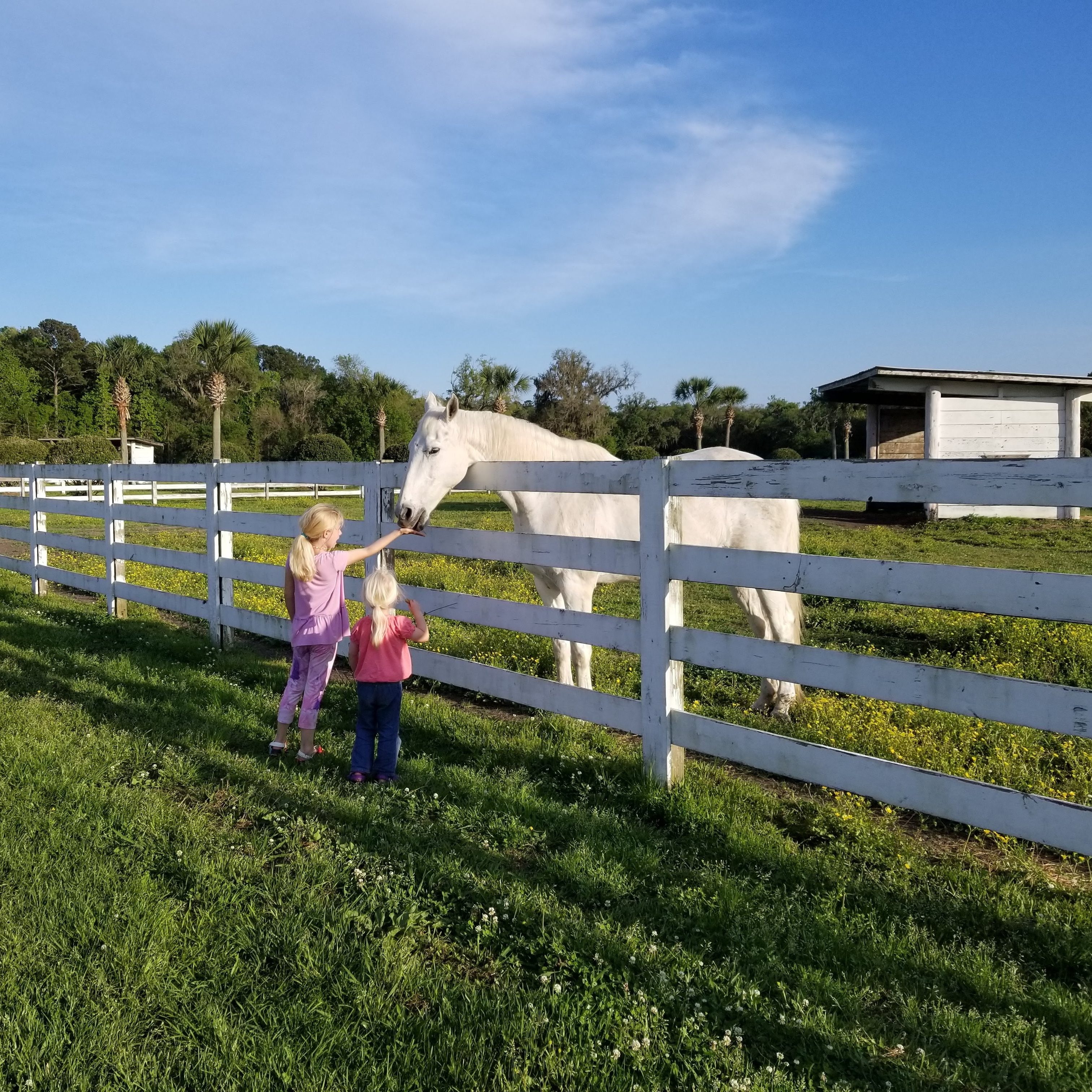
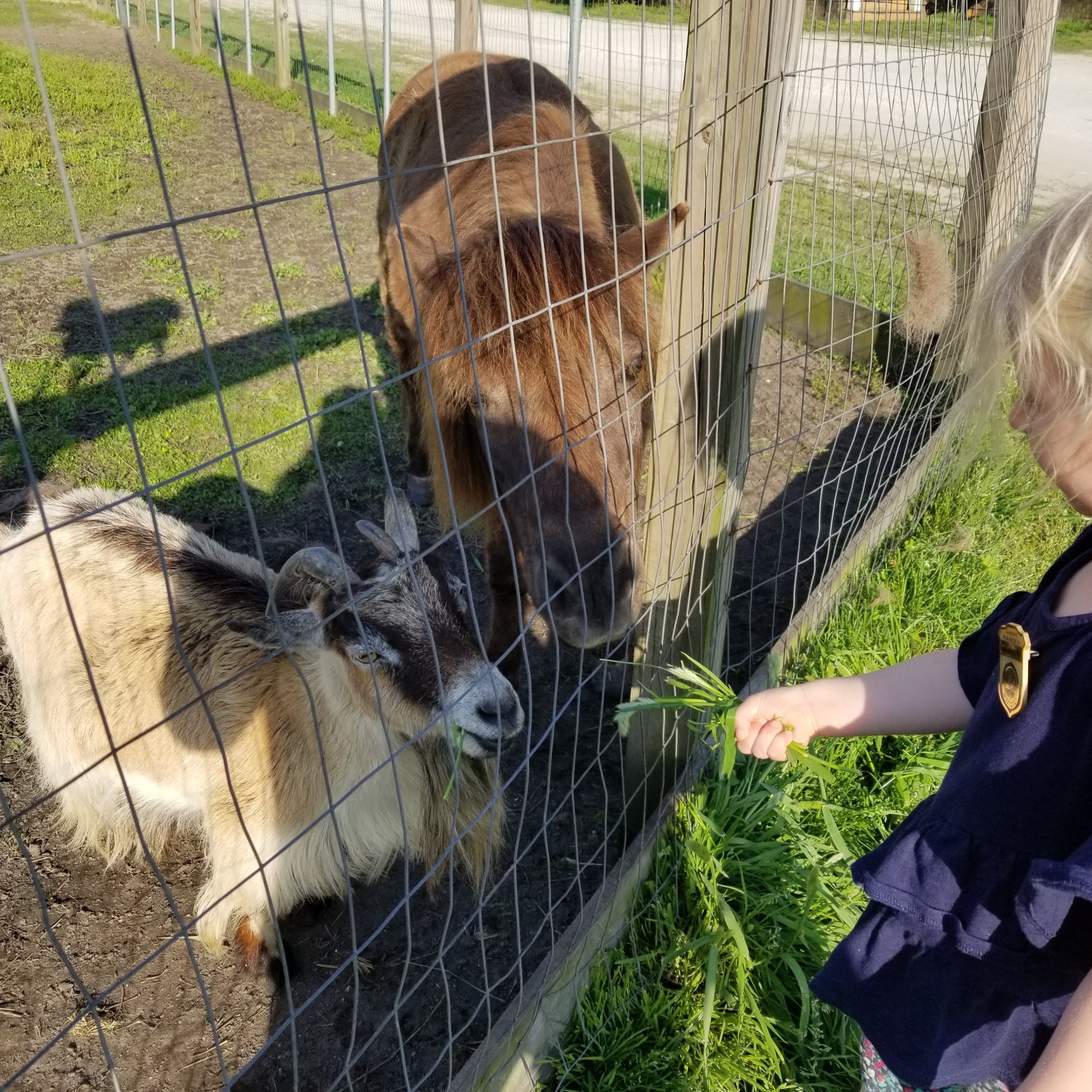
After this, we battled rush hour traffic across Charleston until we arrived at our AirBnB for the next few nights. It was located in the community of Meggett, to the west of Charleston. Here, someone has a big farm with horses, goats, chickens, and donkeys, and has also put several AirBnBs on the property. The owners encourage you to interact with the animals, and you know Teagan and Sage took them up on that offer, feeding the animals, brushing the goats, and collecting eggs from the hens.
The next day, we headed back into Charleston for a morning boat ride out to Fort Sumter. The ride itself is nice, as they give you some history as you go, which Tiffany appreciated. Teagan loved seeing the dolphins that appeared once we got near the fort.
Fort Sumter, as most any South Carolinian can tell you, is where the first shots of the Civil War were fired. Maybe one thing I didn’t realize until recently was that it was the Union soldiers who were occupying the fort, and it was the Confederates who fired upon the fort. After the bombardment of cannons and other gun fire, the fort was essentially a pile of rubble that then had to be rebuilt.
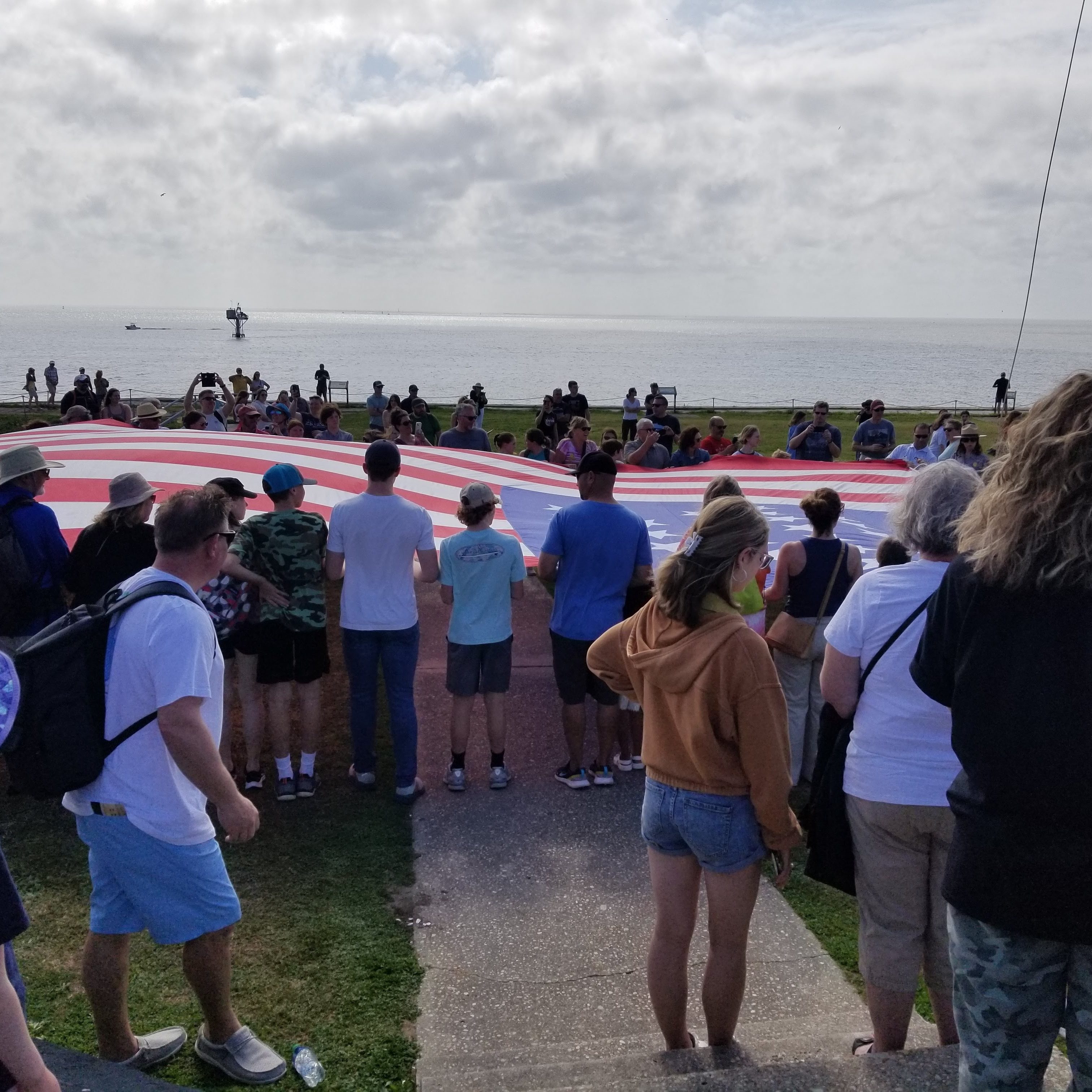
Fort Sumter Pro-Tip: Take the first tour of the day. In so doing, you can be a part of the hoisting of the flag at the fort. I actually missed this experience as I had taken the kids to stamp their passport, but Tiffany got to witness it. And speaking of flags, the museum on the island has two important original flags–the last Union flag to be flown there, and then the Palmetto Guard flag that was hoisted after the Confederates took control.
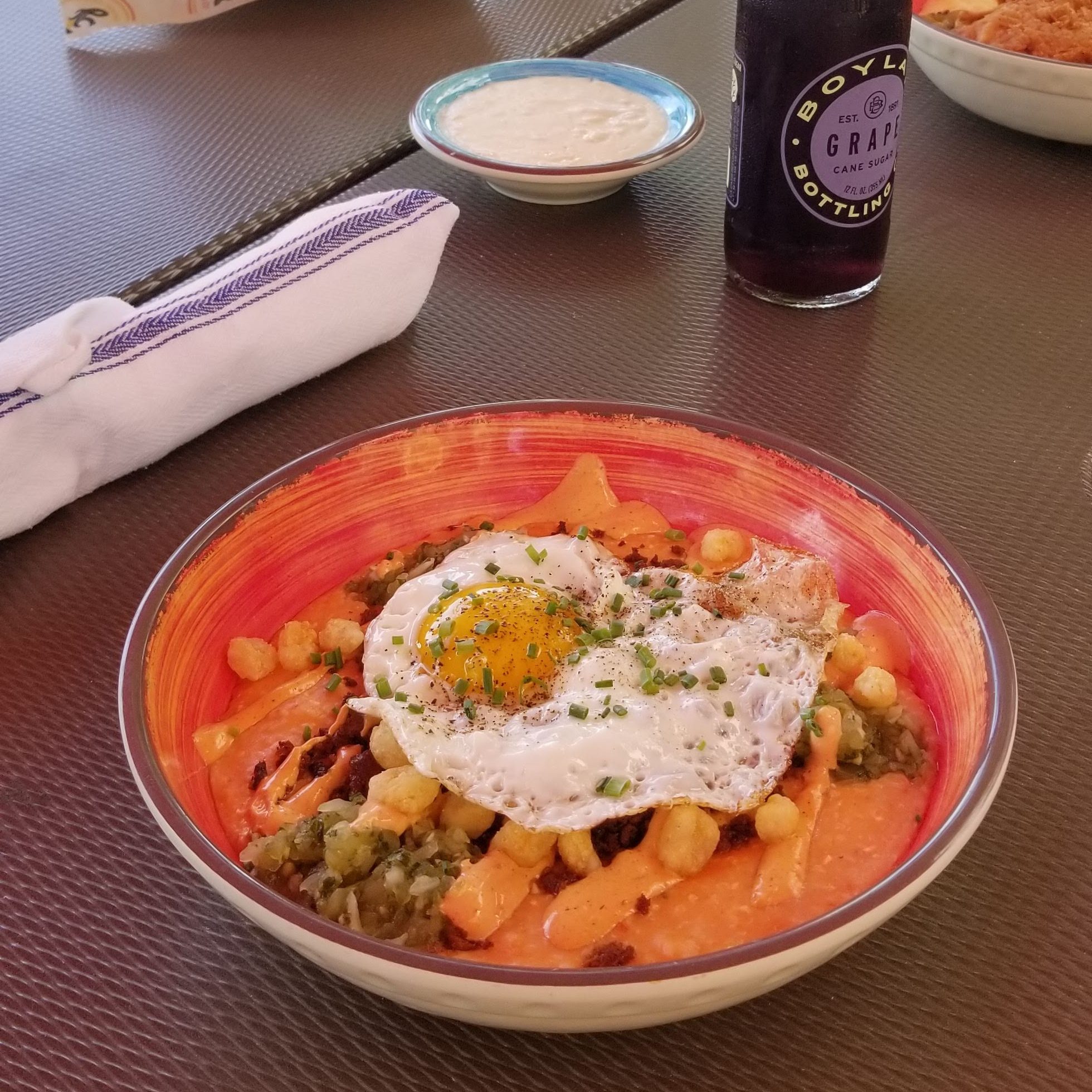
Back on the mainland, the girls got their Junior Ranger badges (which they also did at Fort Moultrie…they have a separate program at each fort). We then hopped in our car and drove over the Ravenel Bridge to Mount Pleasant to eat at the Grit Counter. This is a neat place to get a twist on shrimp and grits. It’s basically Moe’s or Mod Pizza, except with different types of grits, proteins, toppings, and sauces.
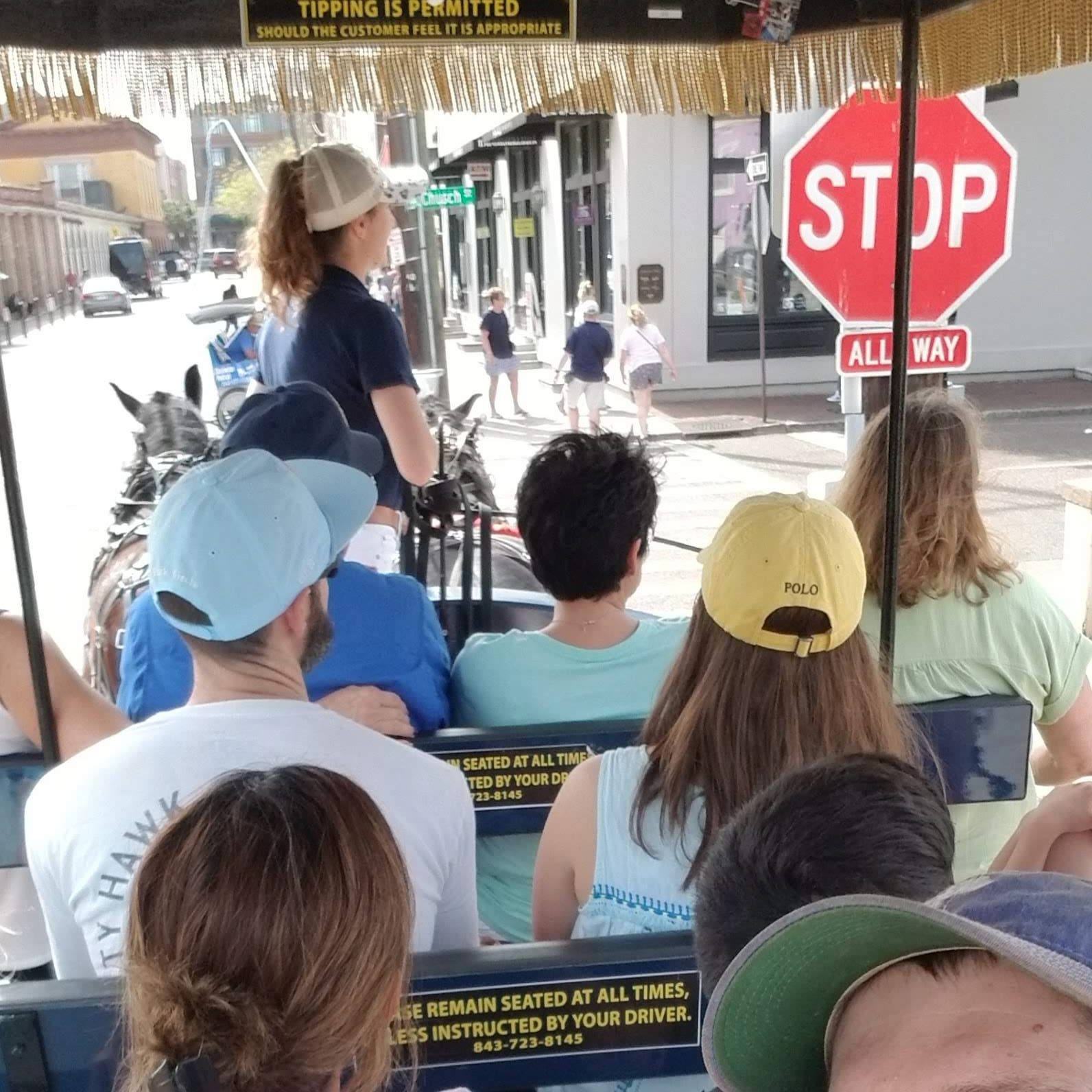
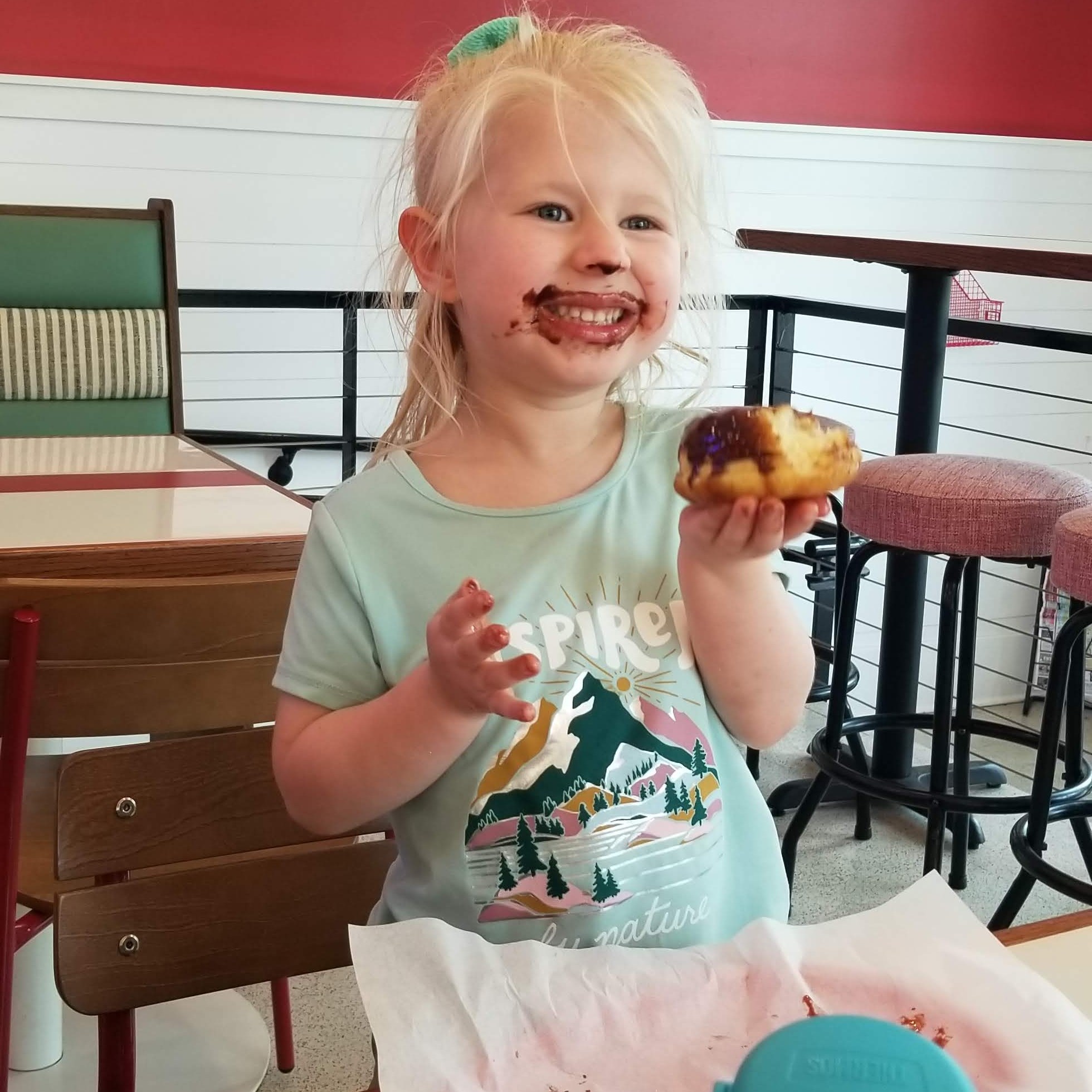
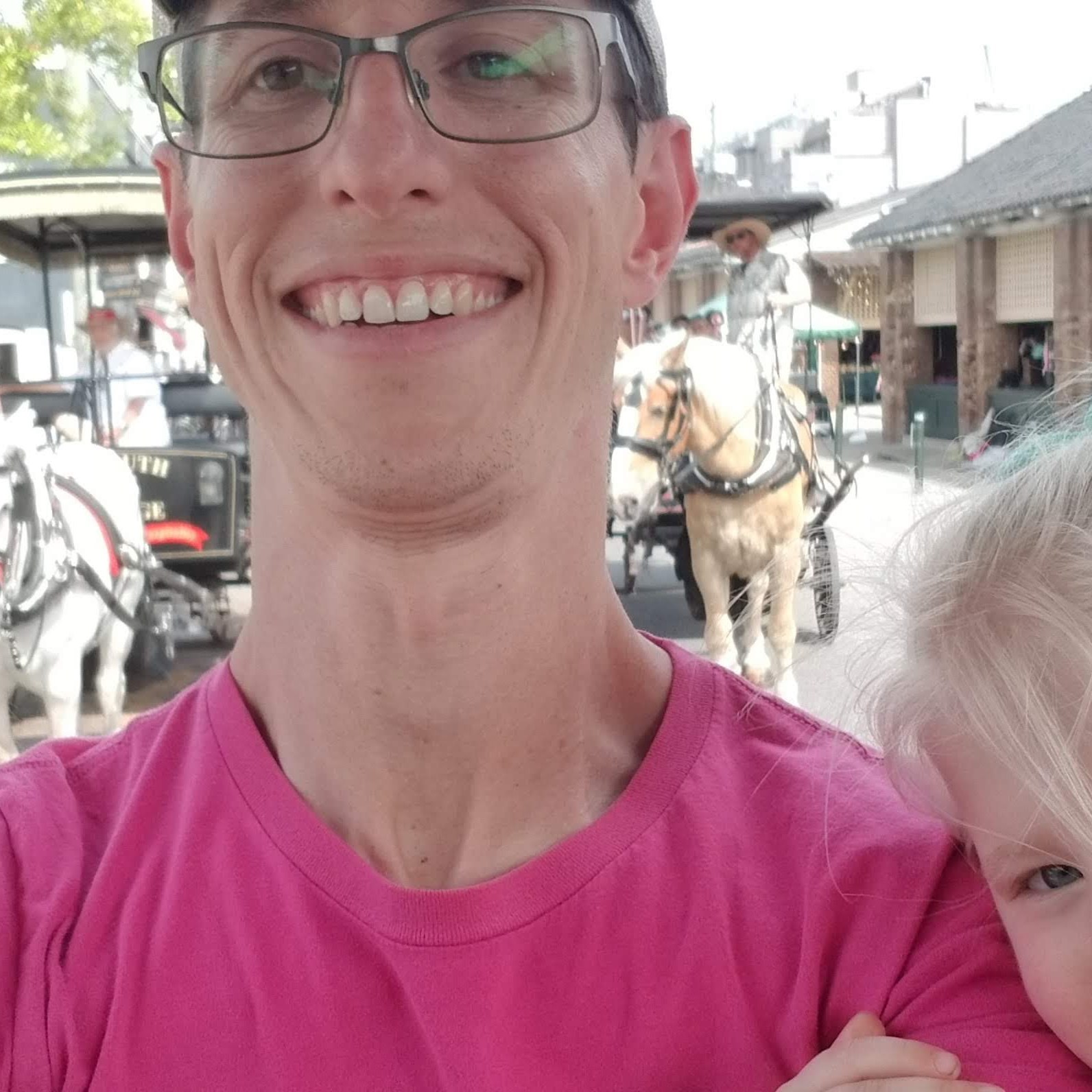
In the afternoon, we headed back into town for a donut snack and then a carriage ride through the historic district. Fun fact: Due to regulations of the historic district, all carriage riders must pass through an initial ‘gate’, at which point something like a lottery ball machine will pop out a ball with a color on it. That color is the area of town that that carriage is permitted to enter. The carriage driver, therefore, must be prepared at the drop of a hat to give one of several tours. We all had a great time going around the city.
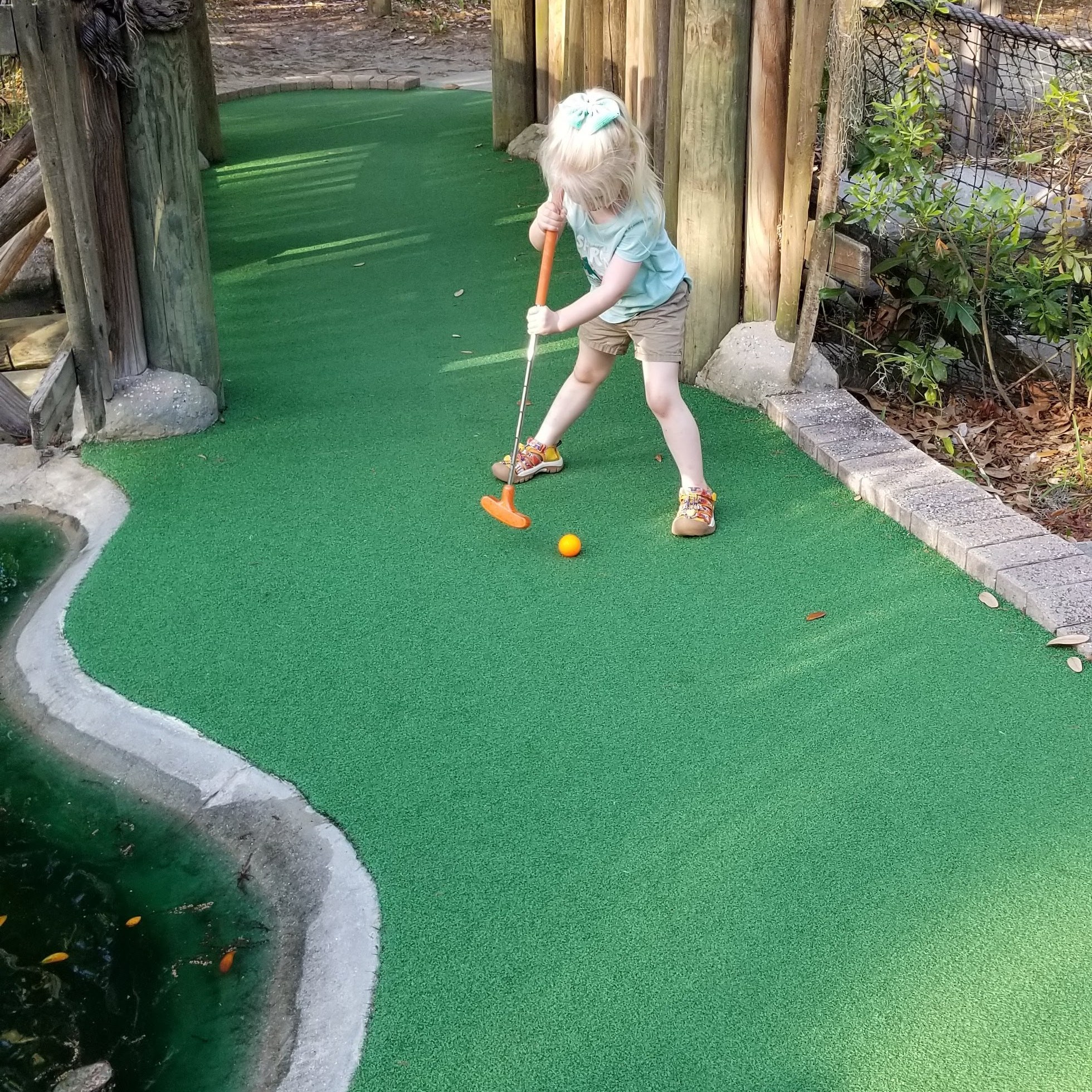
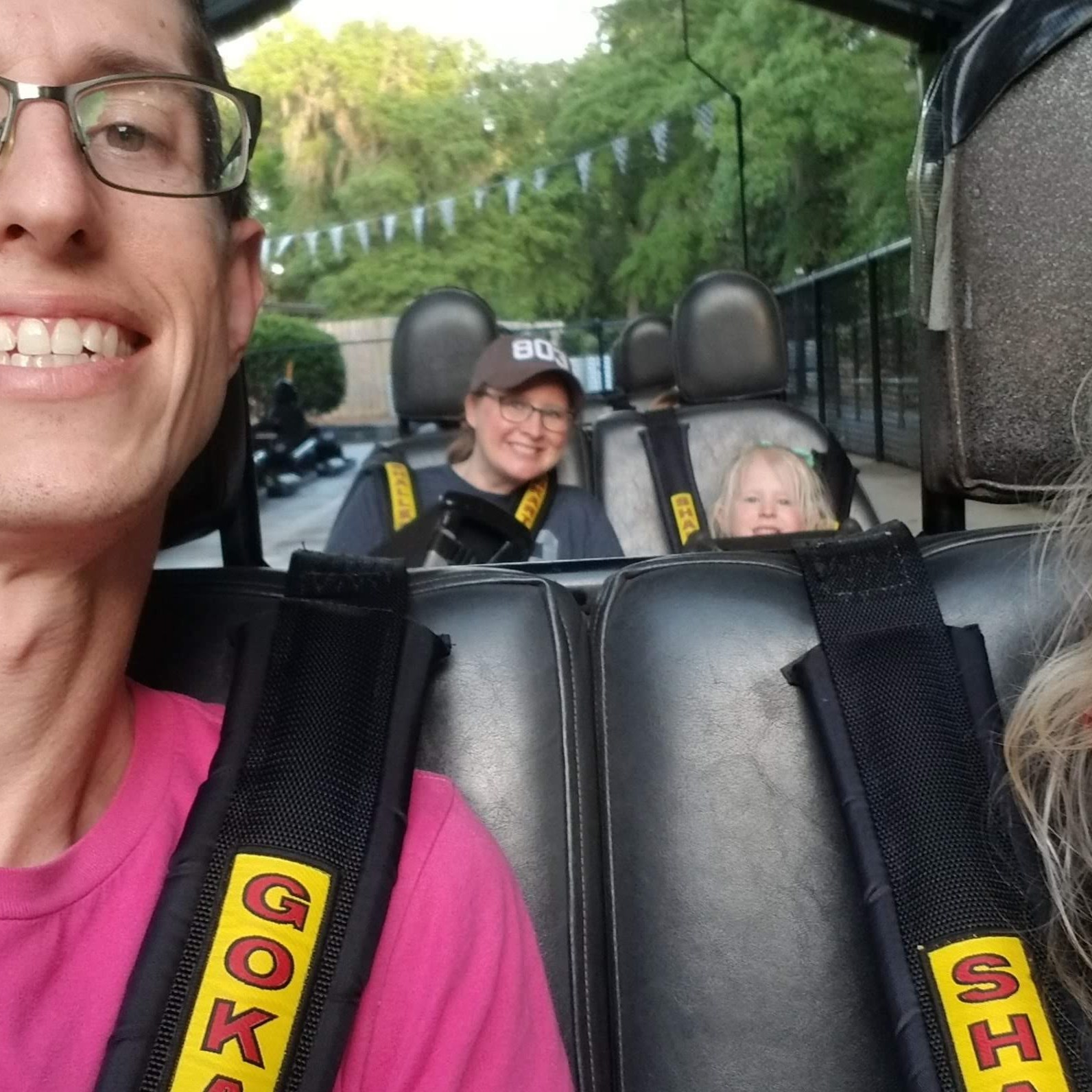
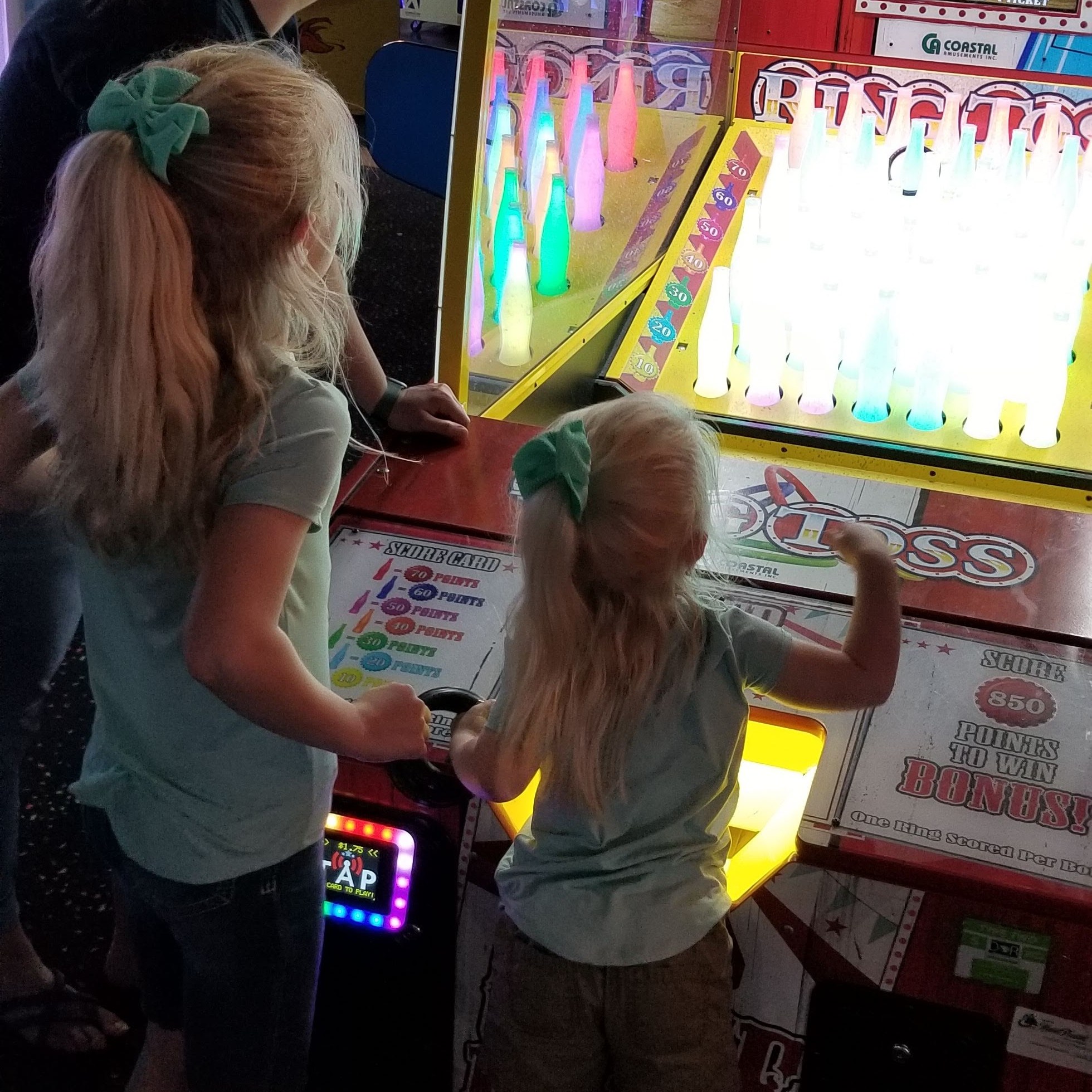
Our last activity of the day was back up in Mount Pleasant at the Charleston Fun Park. Here, we played putt-putt, raced in go-karts, and played some arcade games. The go-karts especially were a hit, even for us adults. With putt-putt, we quickly abandoned all semblance of rules, as one must do if trying to play with a 3.5-year-old. And playing the arcade games really took me back to the agonizing decision of which dinky toy to get with the tickets earned. Both girls also got to learn the lesson that you can never win at the claw game. I got to learn what it’s like to lose your car keys…because I did. After several heart-pounding moments, eventually one of the workers found them under one of the go-karts.

By the way, all of the places visited today were part of the Charleston Tour Pass, where one price gets you in to lots of attractions (including money off of our lunch tab). Highly recommend if you’re visiting and want to do lots of touristy stuff.
The next day, we visited several other places on the Gullah Geechee Cultural Heritage Corridor, which is a network of sites that tell the story of the Gullah culture, which emerged due to the coming together of the various African peoples that were sold into slavery here. A new culture and language emerged, and the sweetgrass baskets that are so prevalent here are a tangible artifact of this culture.
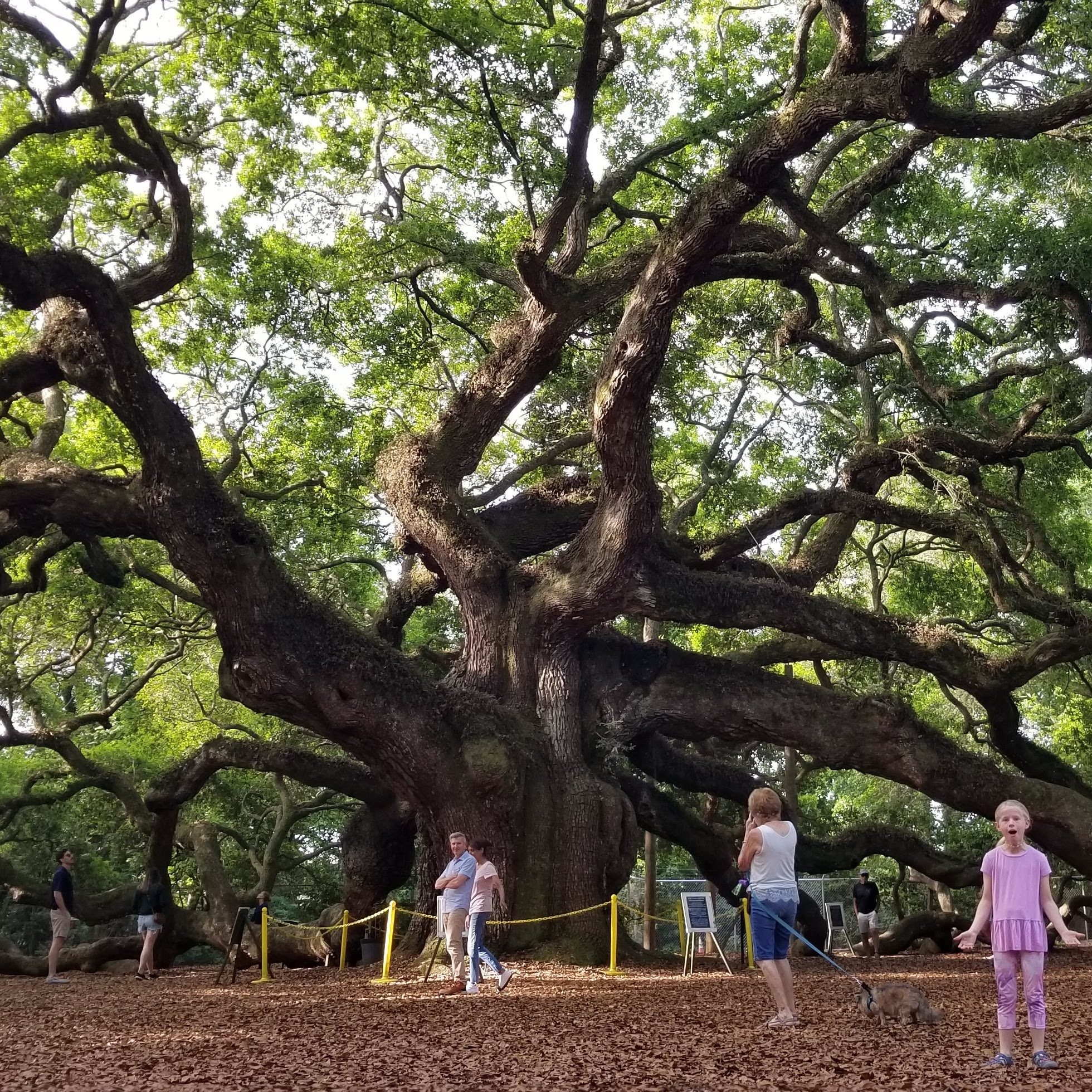
Our first stop was a visit to the magnificent Angel Oak. This tree is probably 400+ years old, and given the history of this area, it has witnessed a lot. I got serious hobbit/Tolkien vibes here.
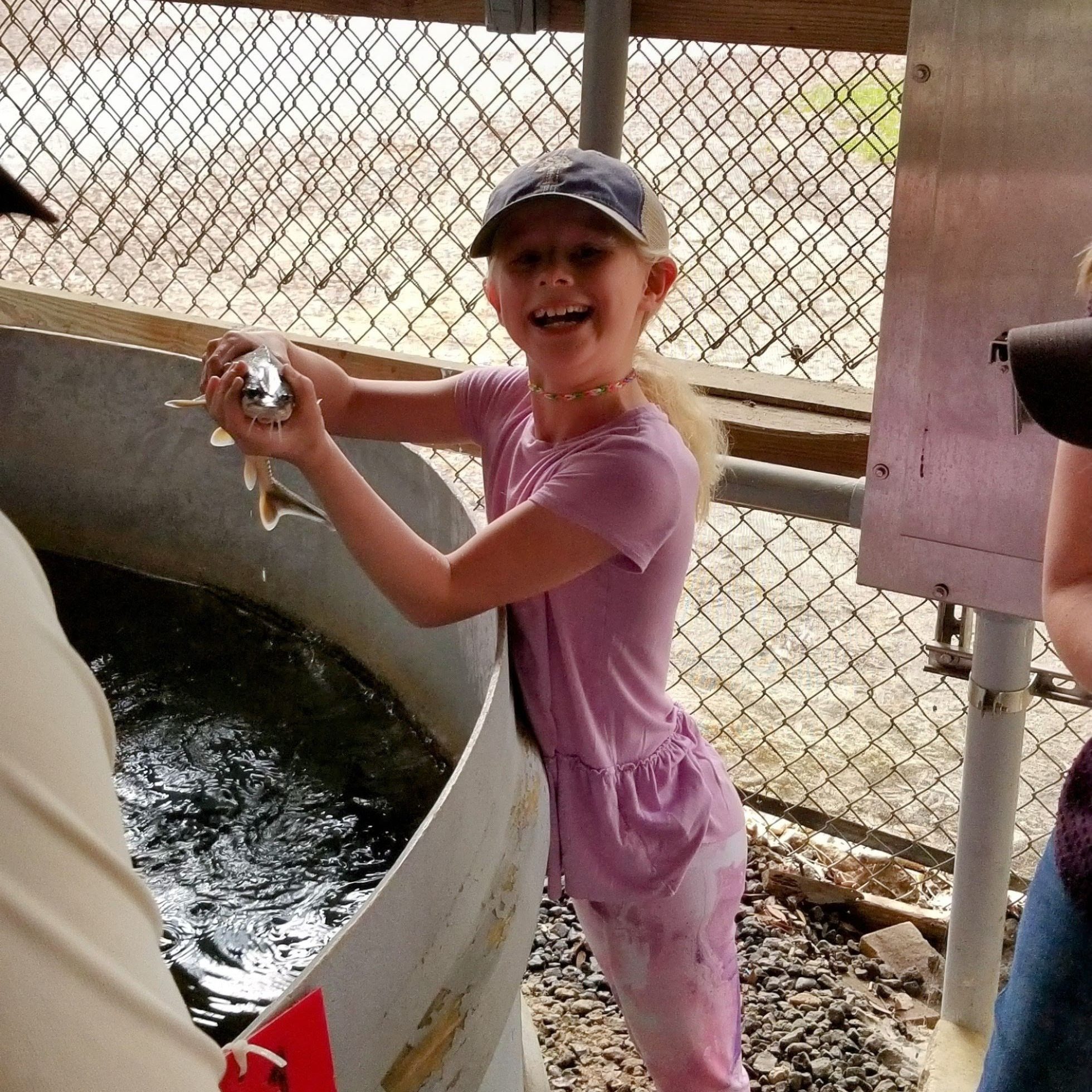
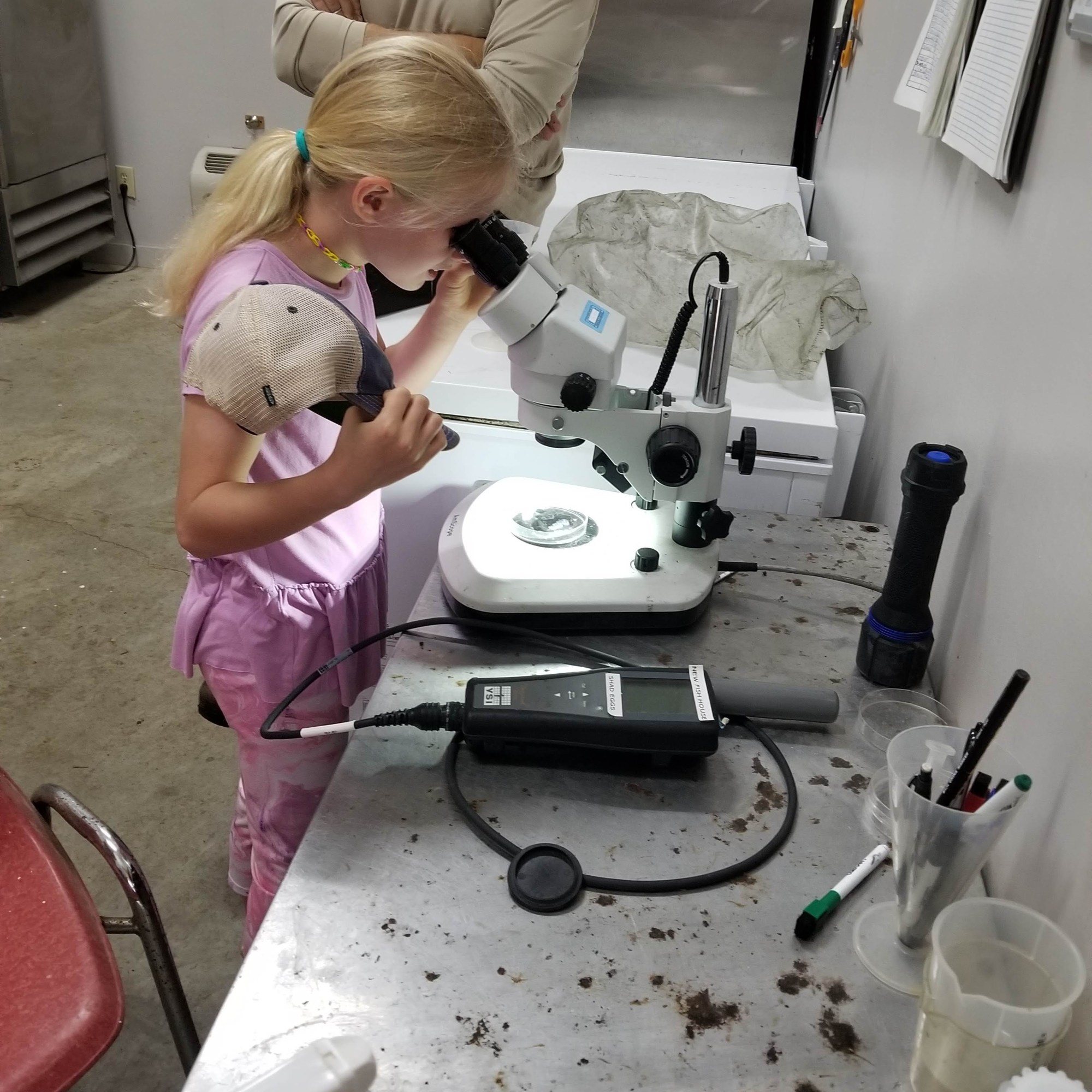
The next stop was all the way at the end of Wadmalaw Island. I had arranged a tour of the Bears Bluff National Fish Hatchery with one of the supervisors there. Here, they hatch and raise things such as sturgeon, shad, and gopher frogs. If I’m not mistaken, the sturgeon are raised for research. The shad, they release into SC waterways. The gopher frogs they return to Carolina bays (like the one we visited at Woods Bay State Park), where they are endemic, but the habitat itself is threatened. Teagan had such a blast seeing the little eggs and catching some of the sturgeon with her hands.
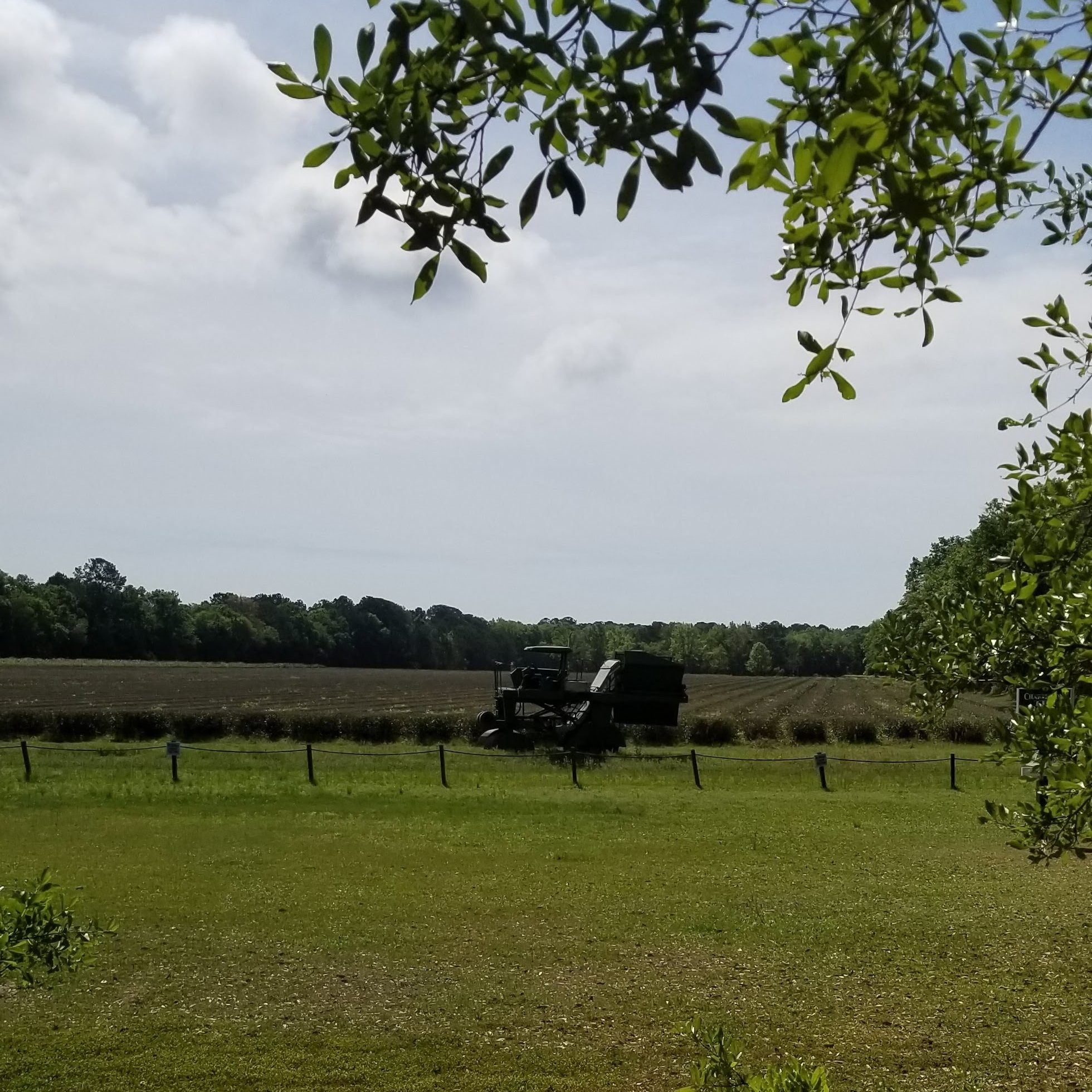
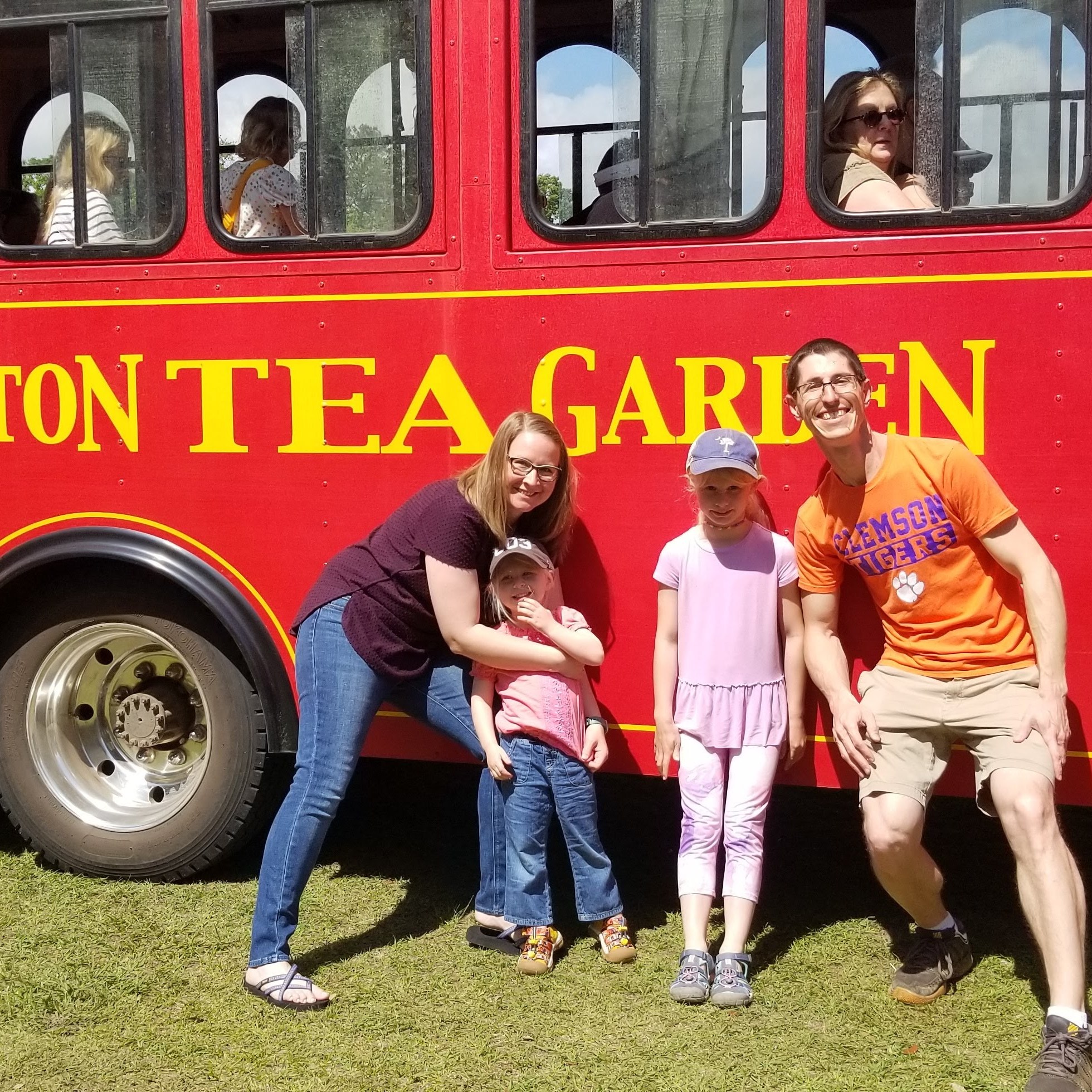
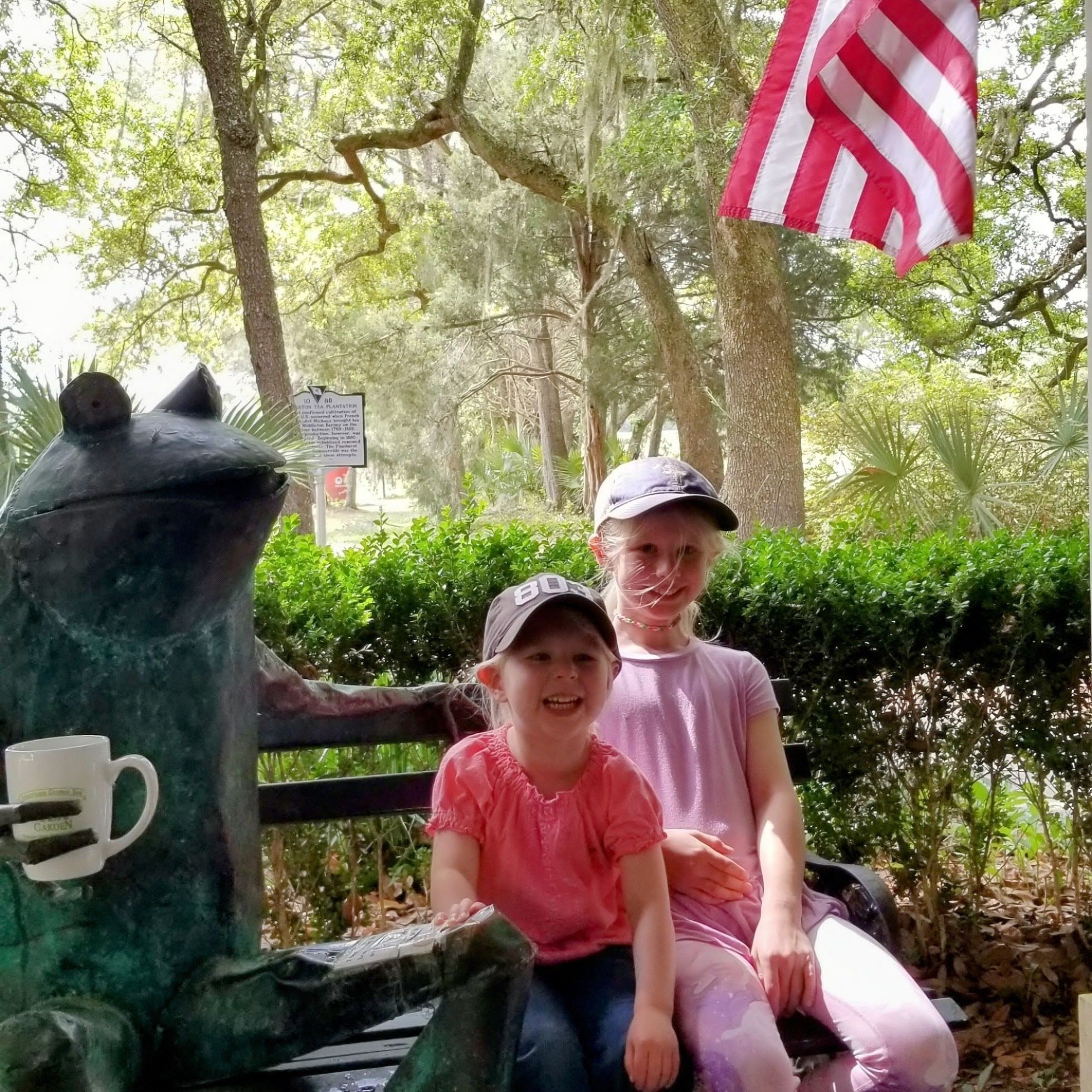
From there, we headed to nearby Charleston Tea Garden, which is North America’s only large-scale site where tea is grown/processed. Here, you get to sample their teas, take a free tour of the plant where the leaves are processed, and also purchase a tour of the farm itself on a trolley (which we did). We’ve had this tea in our house before, but it is neat having visited the place where it is grown. We learned a lot about how tea is grown and processed, and we were fortunate enough to have the founder’s daughter on our tour, who was also able to share some of her childhood stories. As it was lunchtime, we sat at one of the picnic tables under the live oak trees and sipped some tea that originated in the fields right across the way.
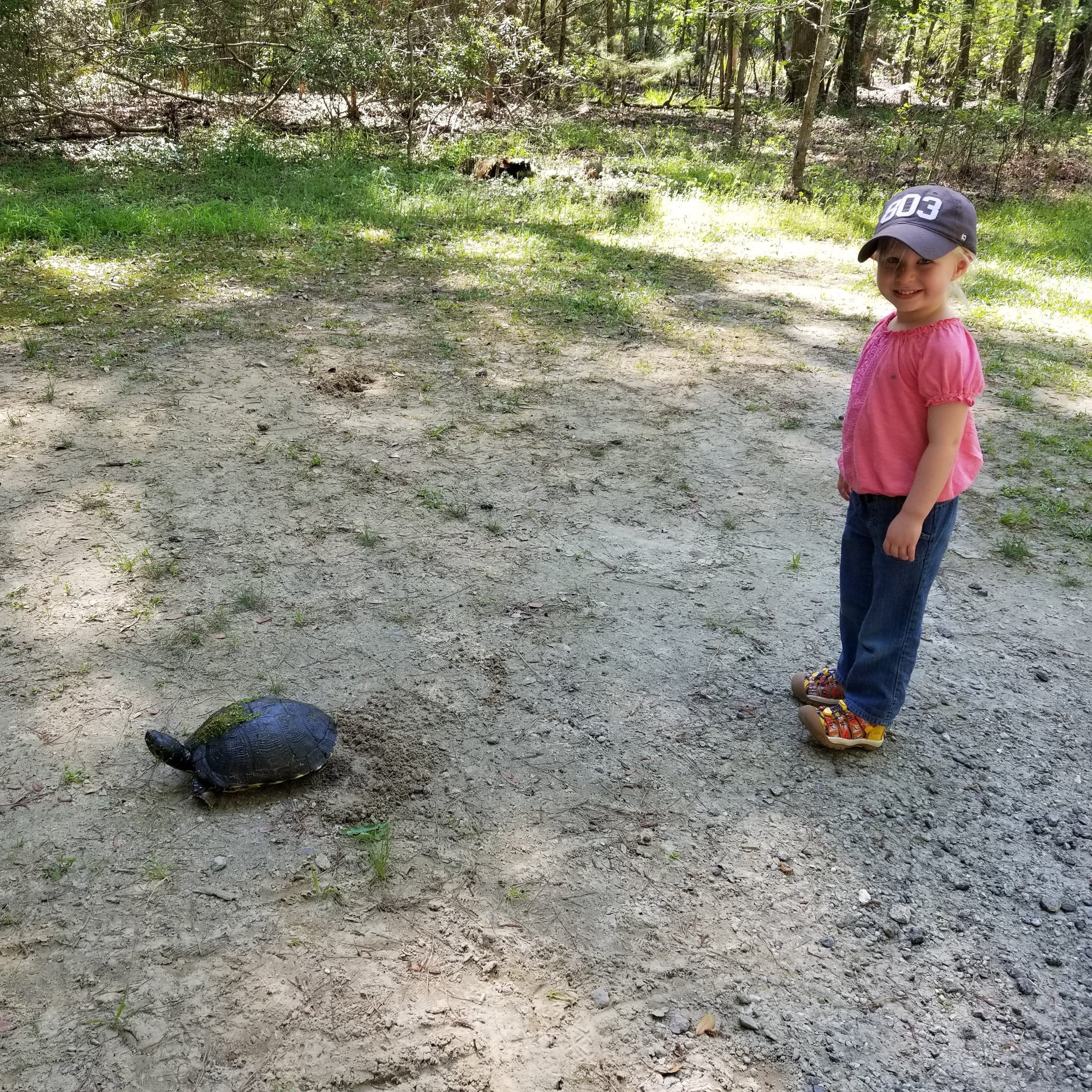
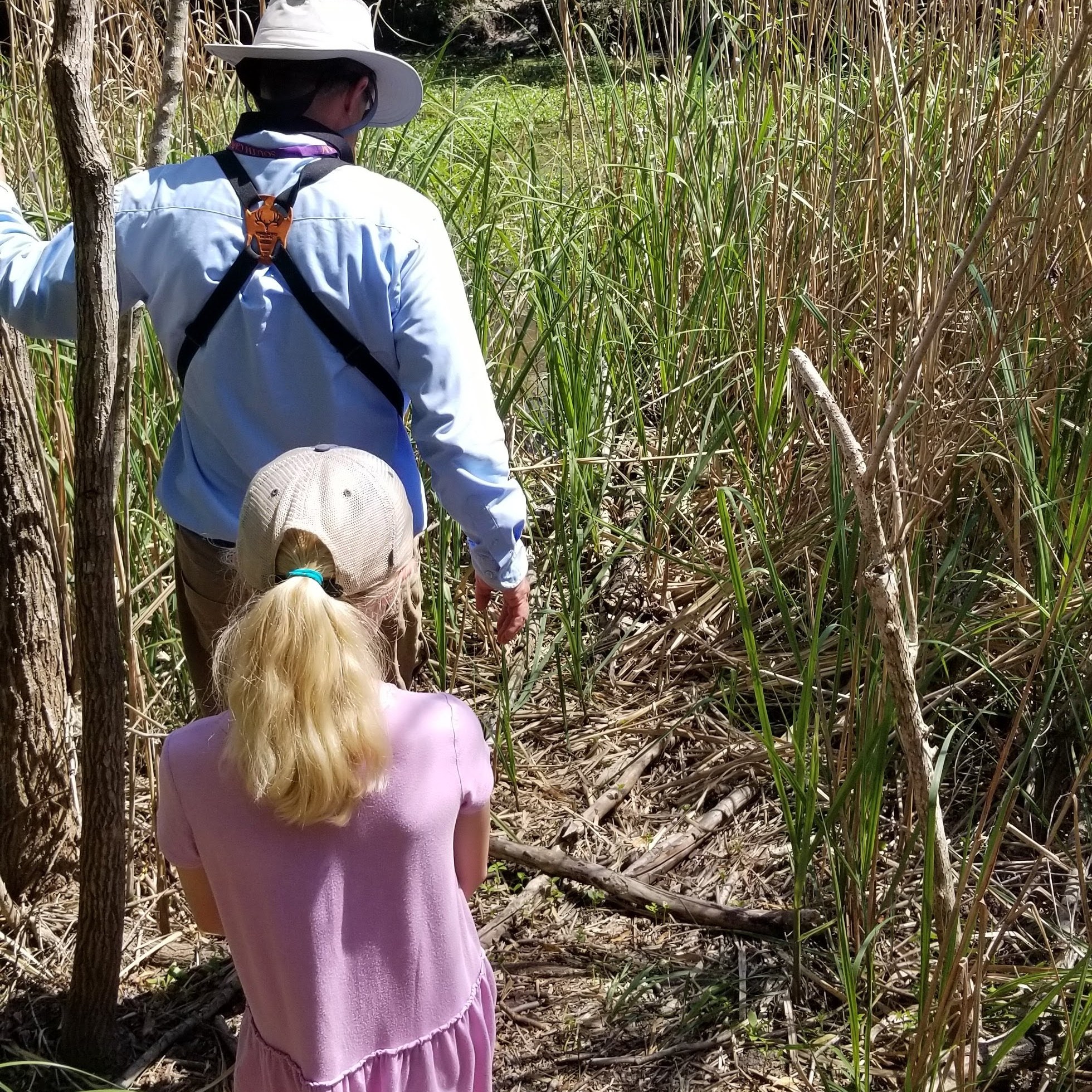
Our final stop for the day was Caw Caw County Park and Interpretive Center. This site is part of the Gullah Geechee Corridor, and it also has ties to the NPS’s Underground Railroad Network to Freedom (see below discussion of the Stono Rebellion). The park itself is home to old rice fields, and there also are some hardwood forests and cypress swamps. Plenty of wildlife-viewing opportunity. For instance, Teagan and I saw some baby alligators with their mom, as well as a fledgling bald eagle about to leave the nest, thanks to the help of a naturalist who was out on the trails.
In the interpretive center, there are some interesting exhibits about some of the agricultural practices and the lives of the enslaved who would work the fields. In addition, out on one of the trails, there is an exhibit dedicated to the Stono Rebellion, which partially took place on the land now occupied by Caw Caw Park. It was a time when dozens of slaves decided to revolt and ended up killing several whites as they marched down the road as they fled. They were caught, though, and most were executed or sold back into slavery.
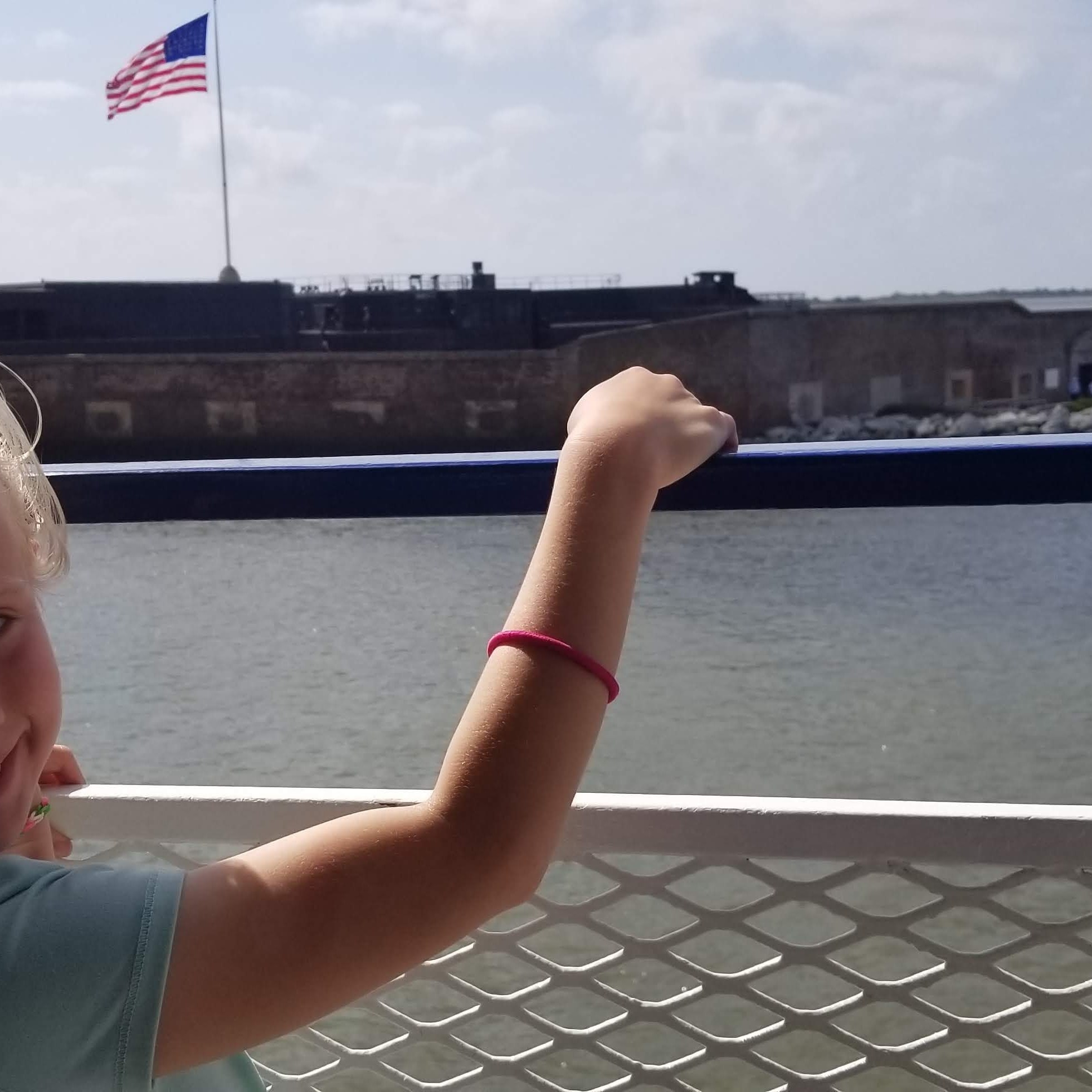
We headed back to the horse farm for the evening, and the girls loved being with the animals. The next morning, we hit the road back to Columbia. A fantastic few days full of learning and fun! Check out a few more of our pictures by clicking below. These first few are from Forts Moultrie and Sumter. Scroll down more to find more fun adventures from afterwards.
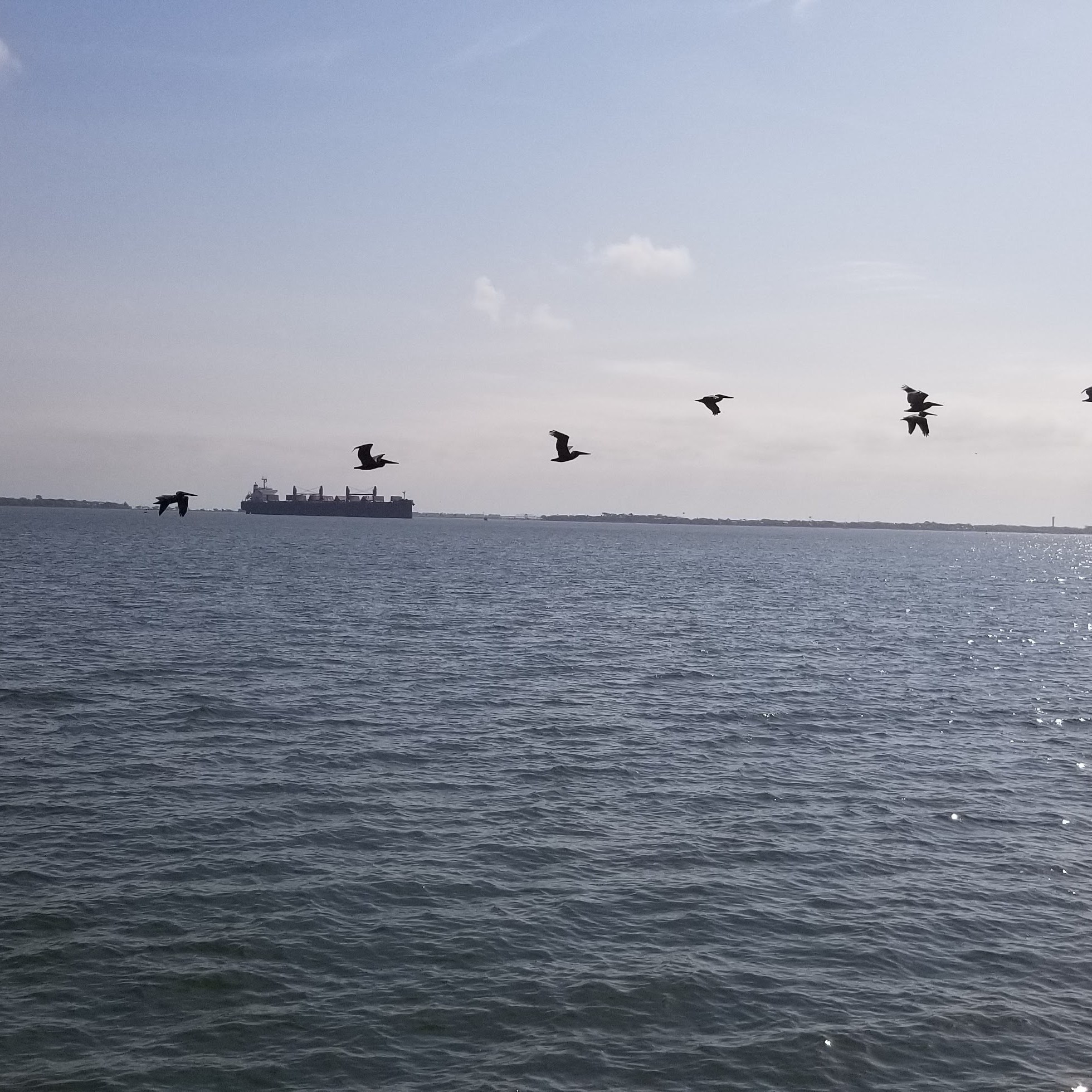
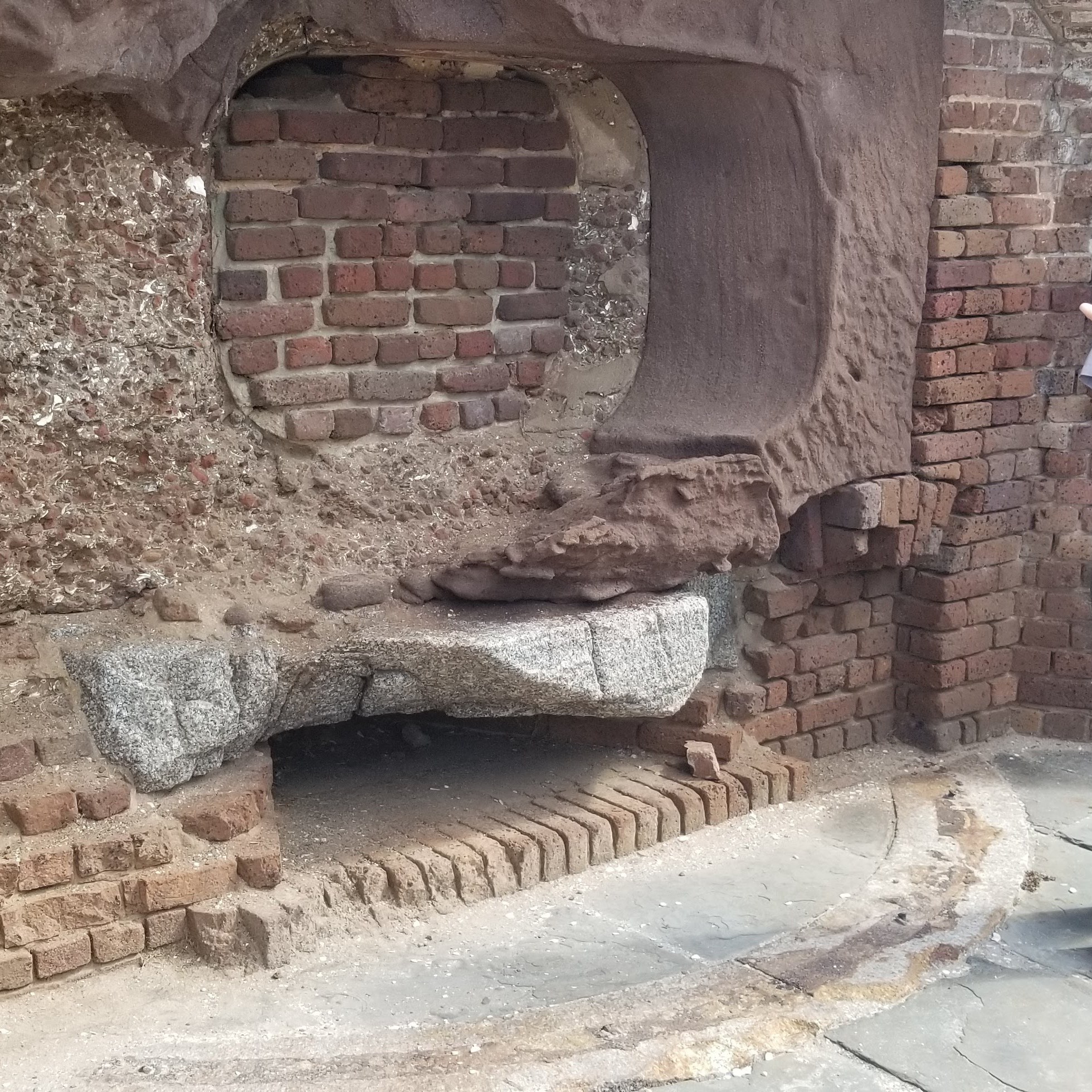
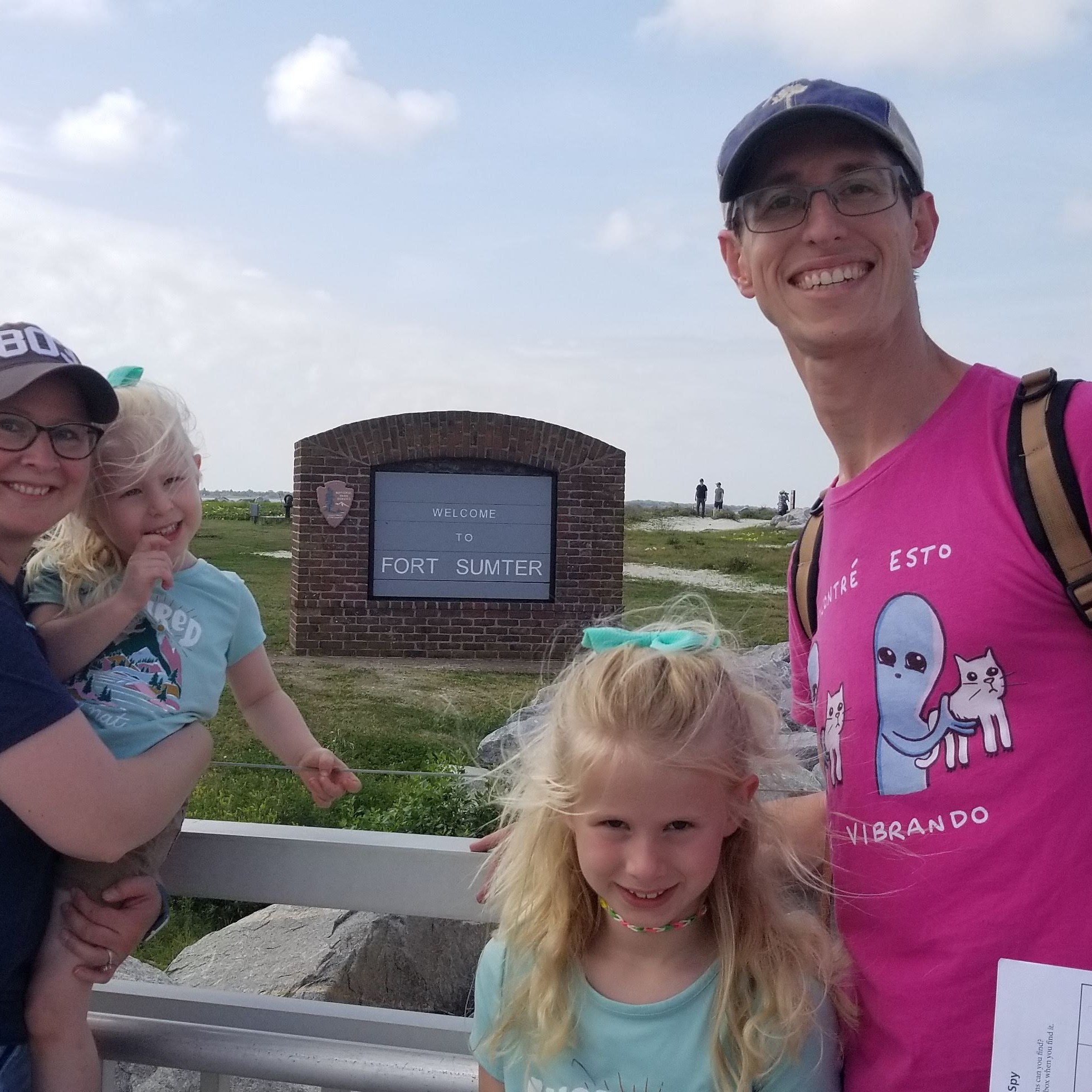
Here are our post-fort adventures.
Fort Sumter and Fort Moultrie National Historical Park Official Site
 Beavers in the Park