The Beaver crew hit the road down towards Charleston for the second half of Spring Break this year. On the way down, we stopped at two protected lands on Lake Marion.
The first stop was Santee National Wildlife Refuge. This is on the eastern side of the lake. I first went here back in December, and it was fun to return with the family. Because the weather was getting warmer, we specifically went to the Cuddo Unit of the park, where there is a road known as Alligator Alley.
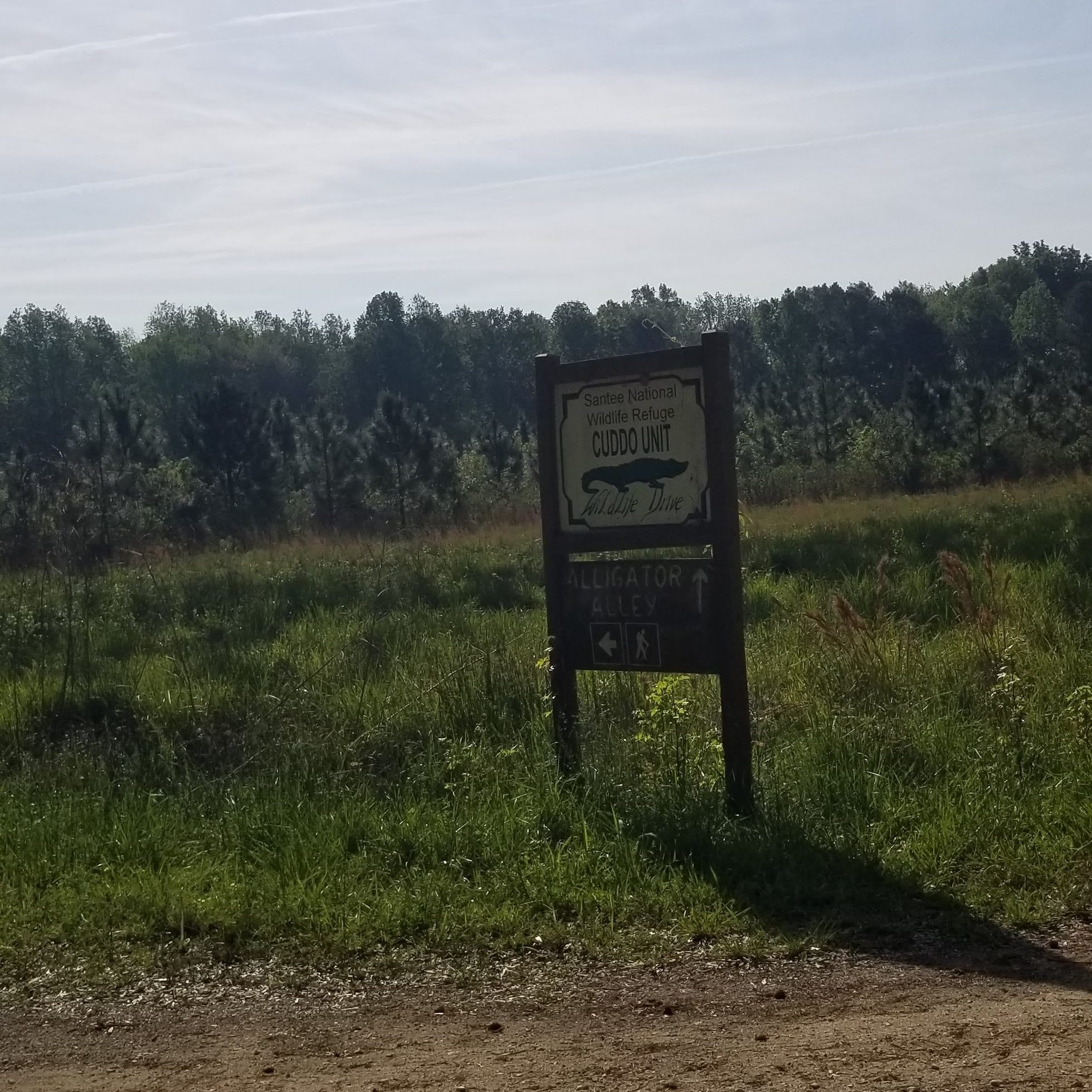
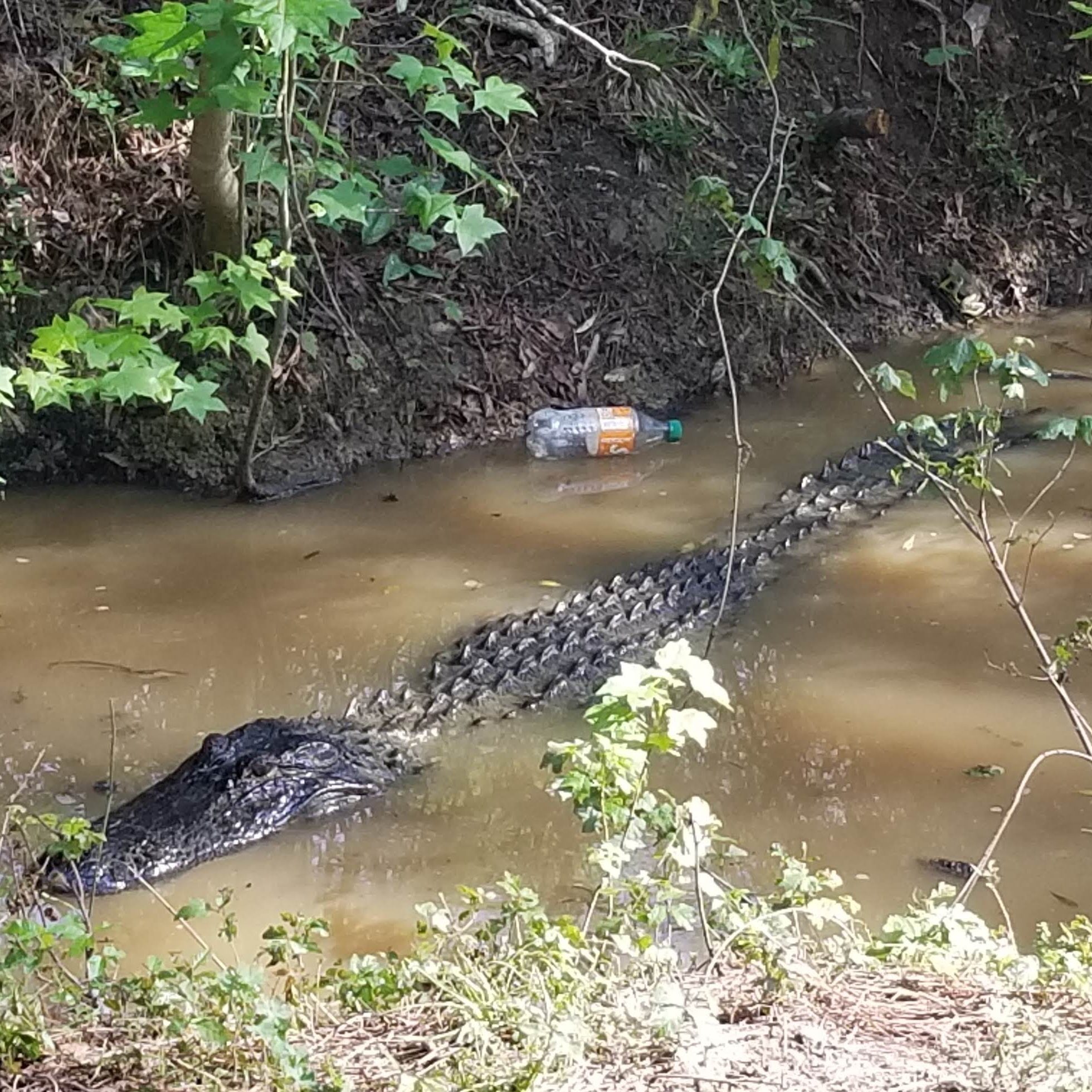
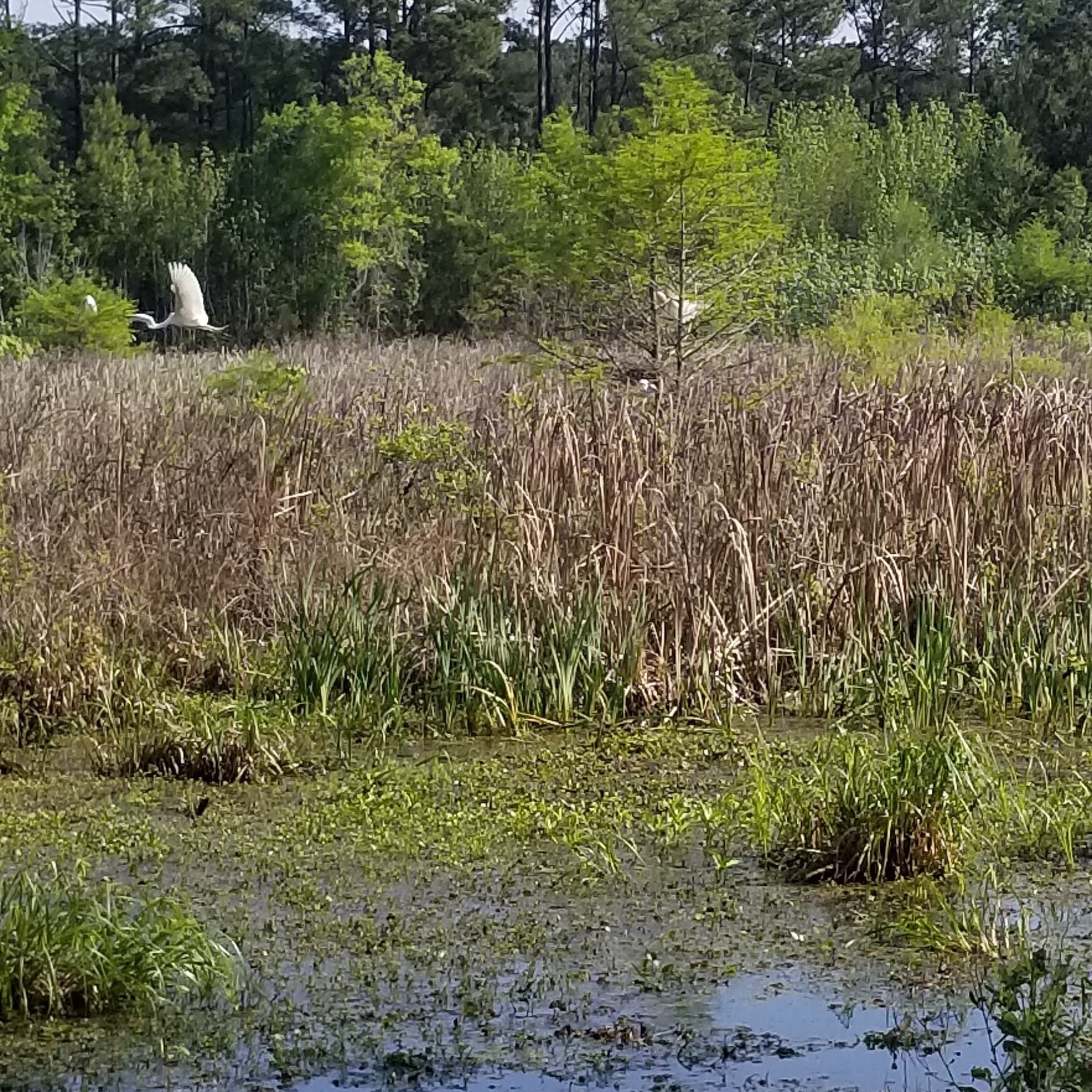
I read reports of people seeing some massive gators here, so we went in search of some. We finally spotted one, about 6-7 feet long, chilling out in a ditch by the road. It was cool to get to see it up close (and from the safety of our car). The whole fam didn’t see any more in this area, though I did see a couple more as we were driving to the next stop. We also saw some great wading birds, like the great egret with its wispy feathers.
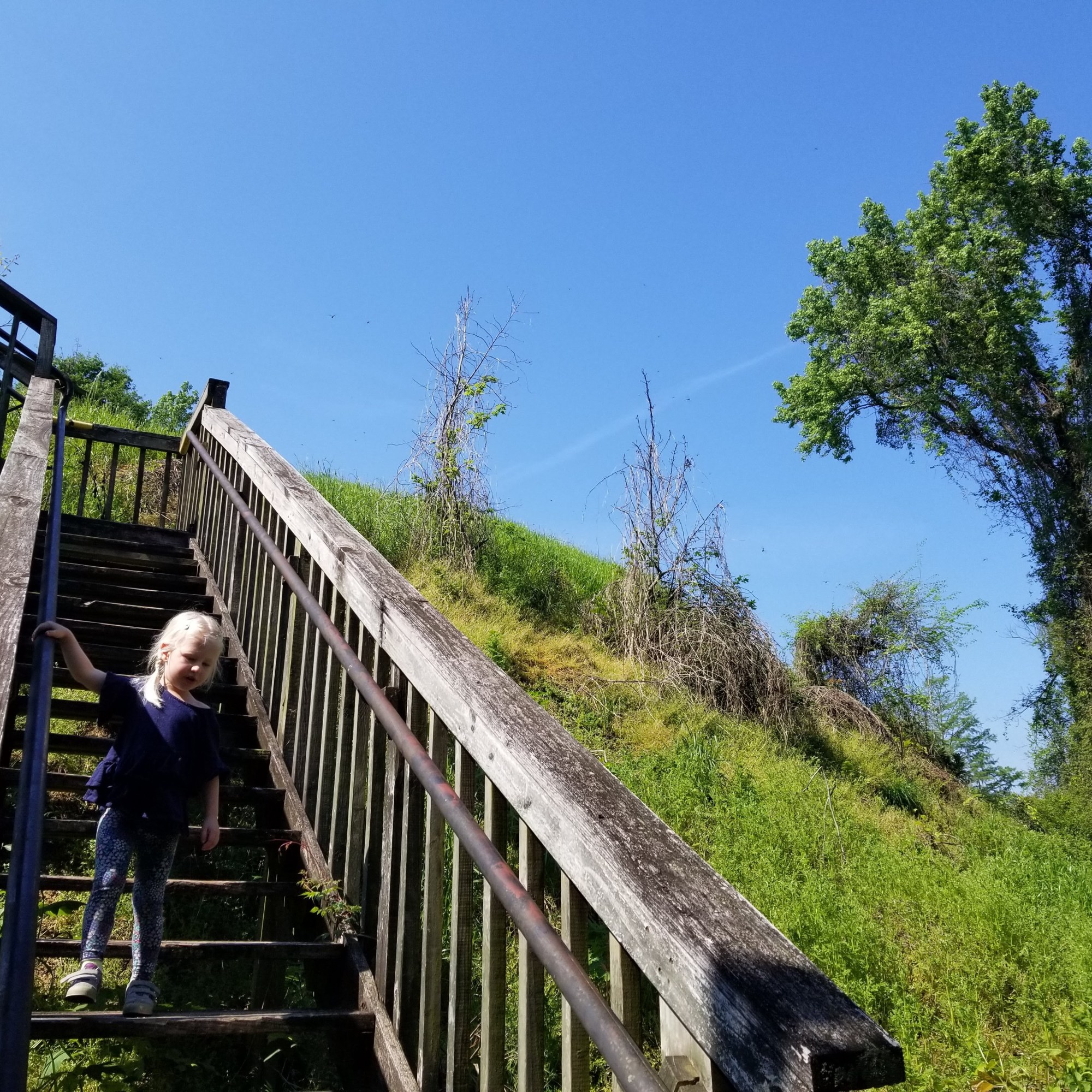
Our next stop was the Bluff Unit of the park, where the main visitor center is (closed today, unfortunately, so I couldn’t get the stamp in our new Blue Goose Passport for National Wildlife Refuges and Fish Hatcheries). This is also the site of the Santee Indian Mound/Fort Watson.
This site was originally (probably 800 years ago) utilized by the Santee tribe for ceremonial purposes. Like other Mississippian tribes, the Santee are known for building mounds, and it is believed that in addition to being used for ceremonial purposes, the mound was also used as a burial site. When I came in December and went in the visitor center, I saw some pottery from the area, made by the Santee or other nearby groups. (But little did I know that what I was about to see at Santee State Park would blow that out of the water…but you have to keep reading in this post to find out!)
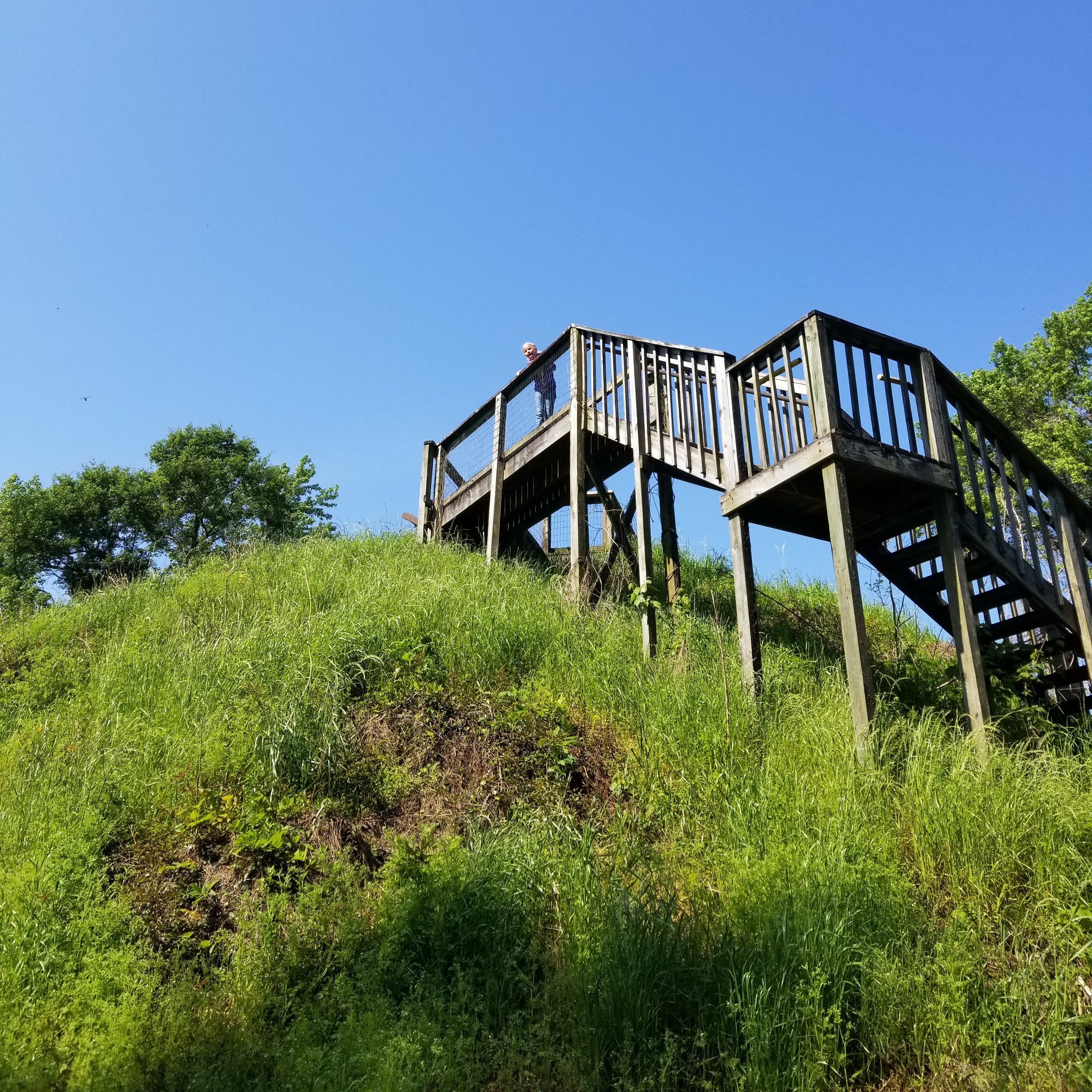
During the Revolutionary War, the British occupied the mound and built a fort on top of it, now known as Fort Watson, after the British commanding officer. Francis Marion (aka the Swamp Fox) helped lead the Patriots to victory here in April of 1781, aided in part by a log tower used as protection and a way to get closer to the enemy. This tactic was used just a month or so later at the battle of Ninety Six, which we visited last year.
After leaving the mound, we drove across the lake to enter Santee State Park. This is where I got the biggest surprise. Because of time, we had to scrap my original plan of hiking the Sinkhole Trail, showcasing some of the limestone of the area, which forms karsts–a type of cave–when it dissolves, and sometimes caving in, leading to sinkholes. Instead, we were just going to enjoy a lakeside picnic.
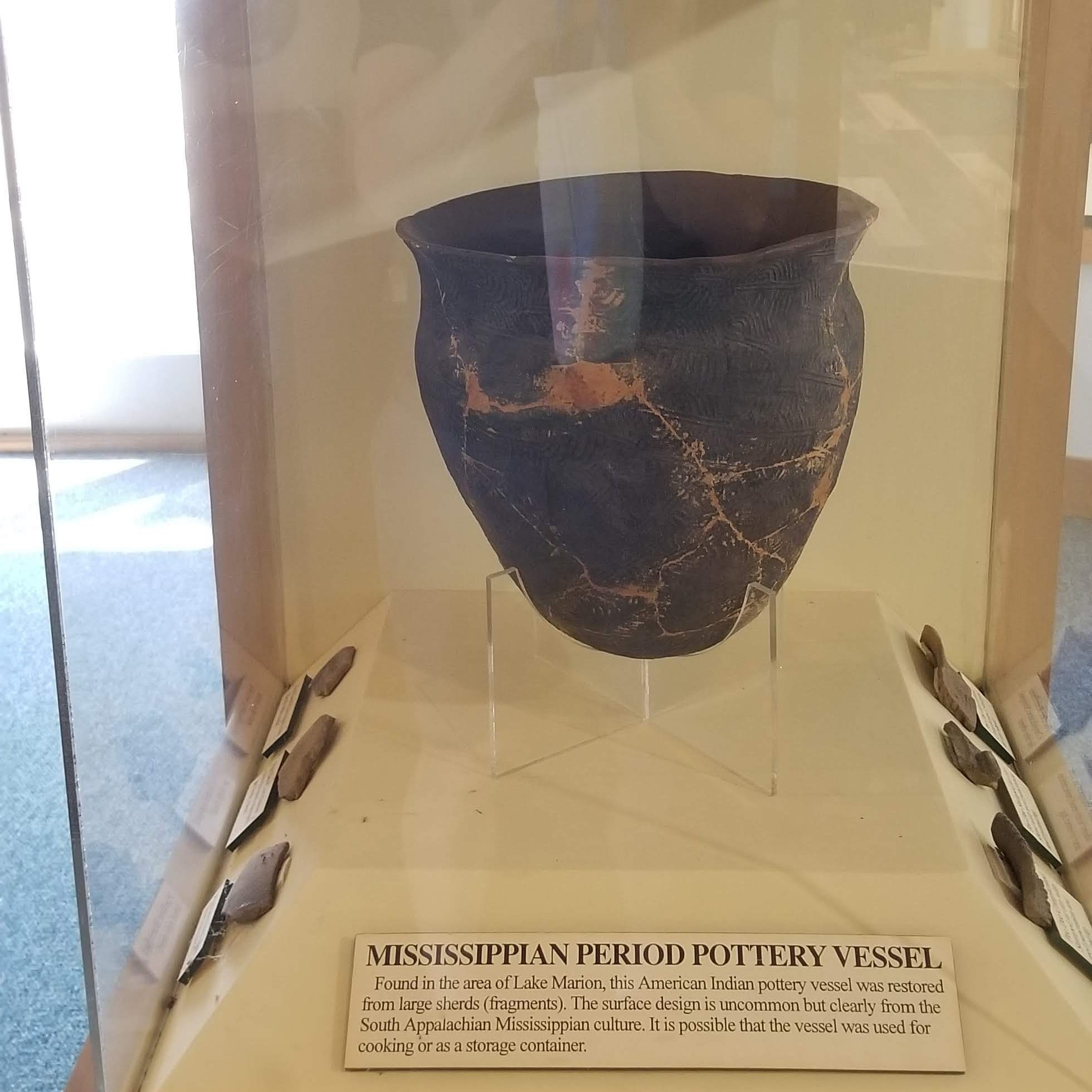
But first, we went inside the visitor center. Whereas the Santee NWR only had a few sherds of Native American pottery, the visitor center at Santee SP had an entire, large vessel that they were able to piece together. It was truly a sight to see. You could see patterns that the potter formed on the outside of the vessel. Such an incredible piece, and amazing that the pieces were found and were able to be put together again.
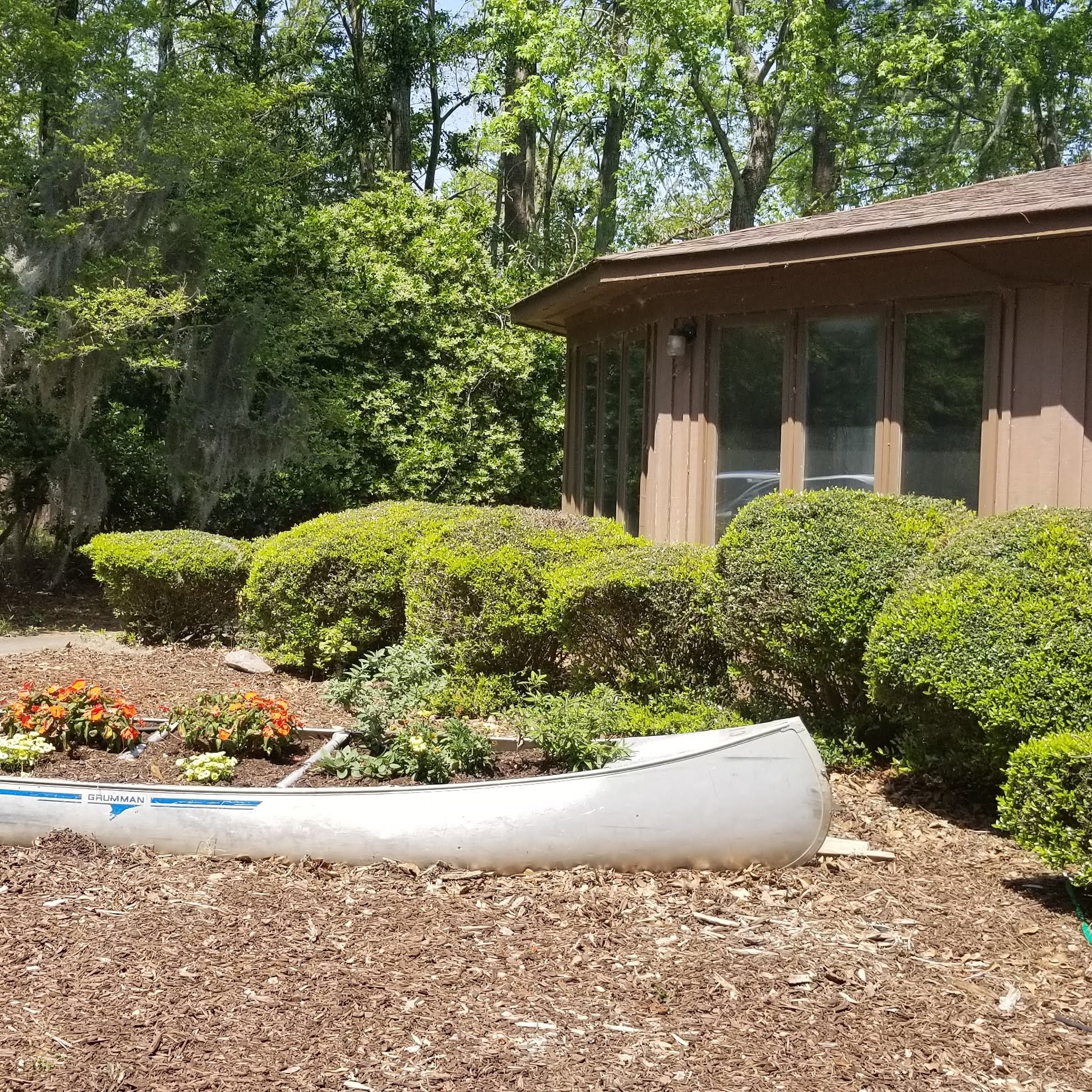
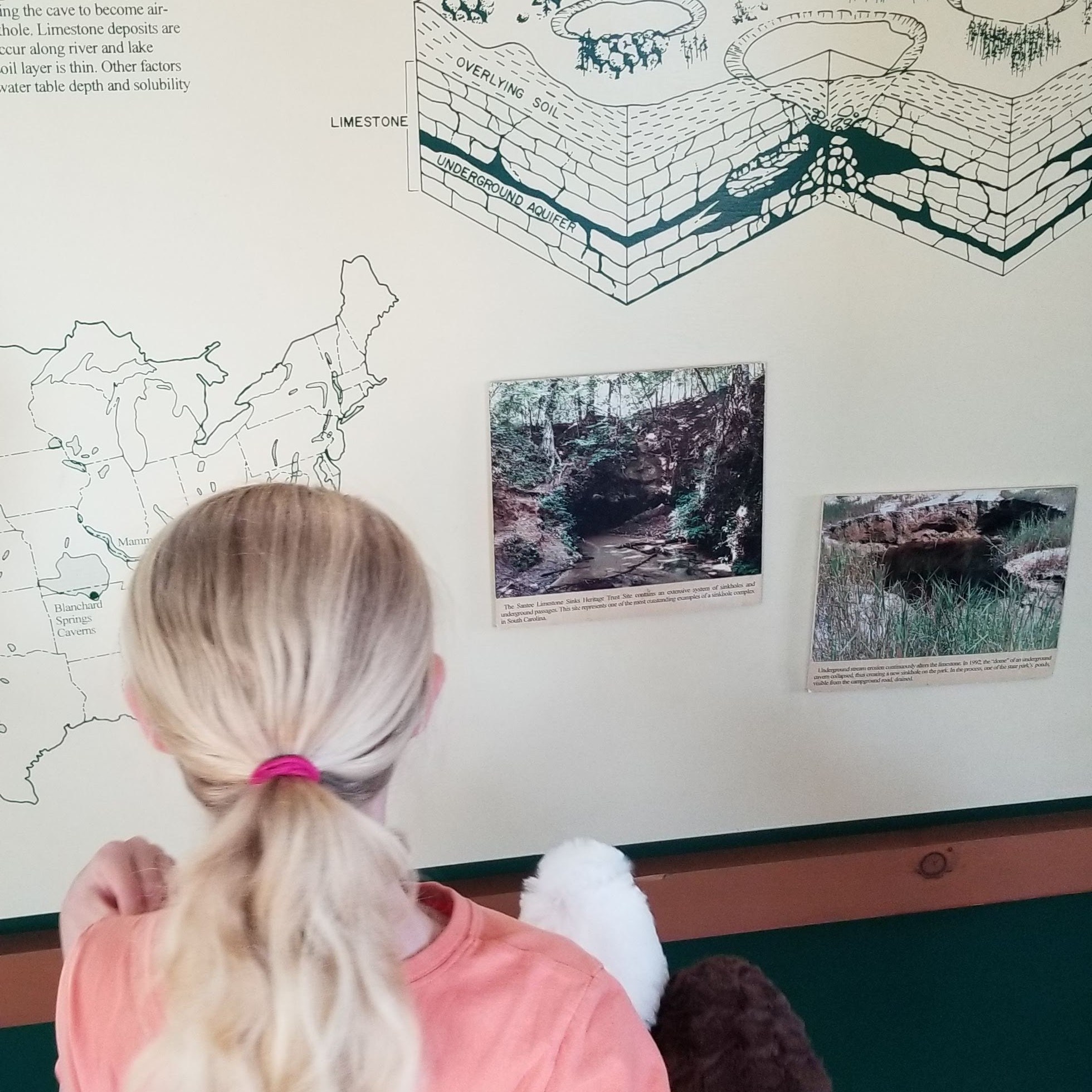
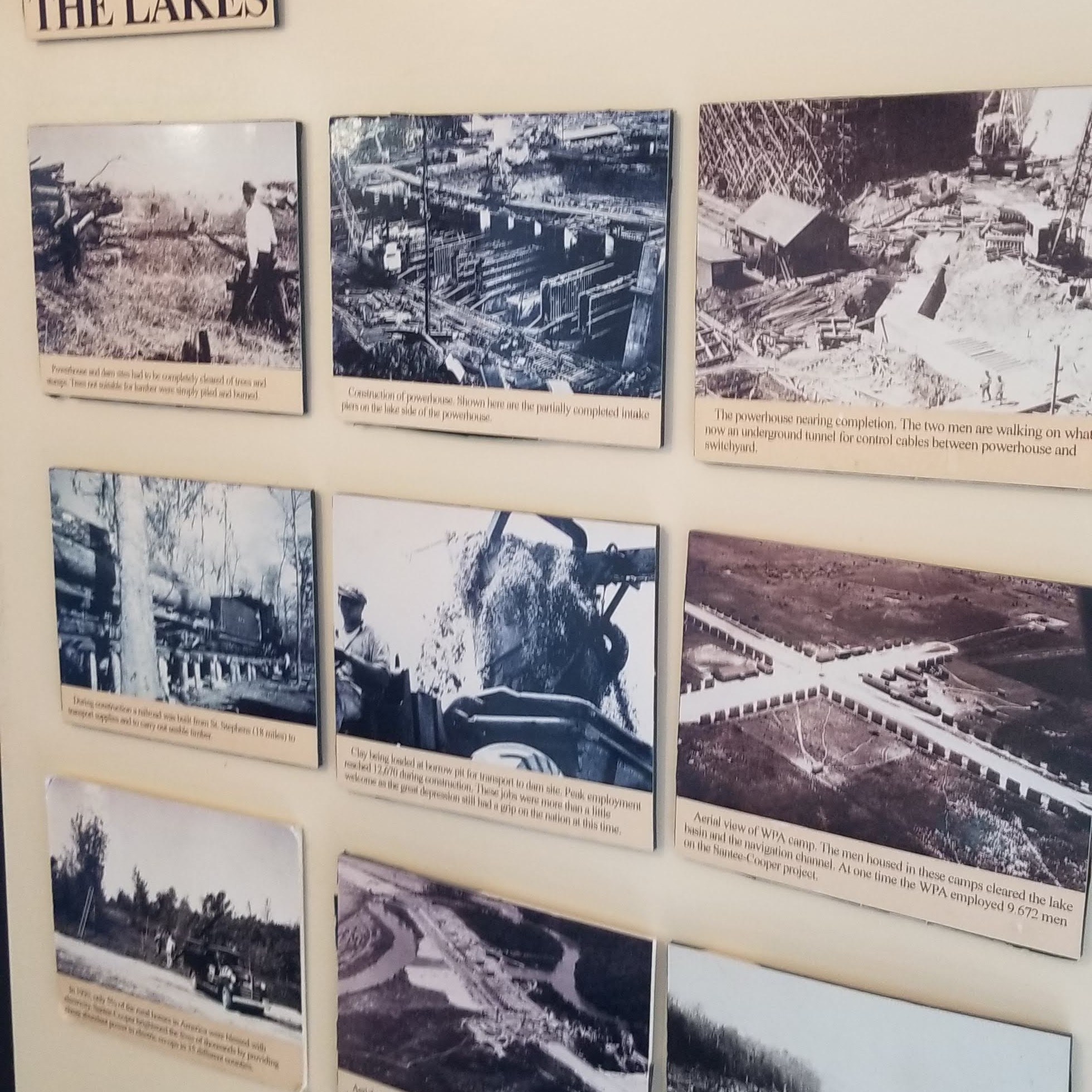
The visitor center also had some interesting history about the construction of the lake itself, information about the area’s geology, and the Siege of Fort Watson. The girls also loved seeing the information on the wildlife (including skulls and other parts of animals on display).
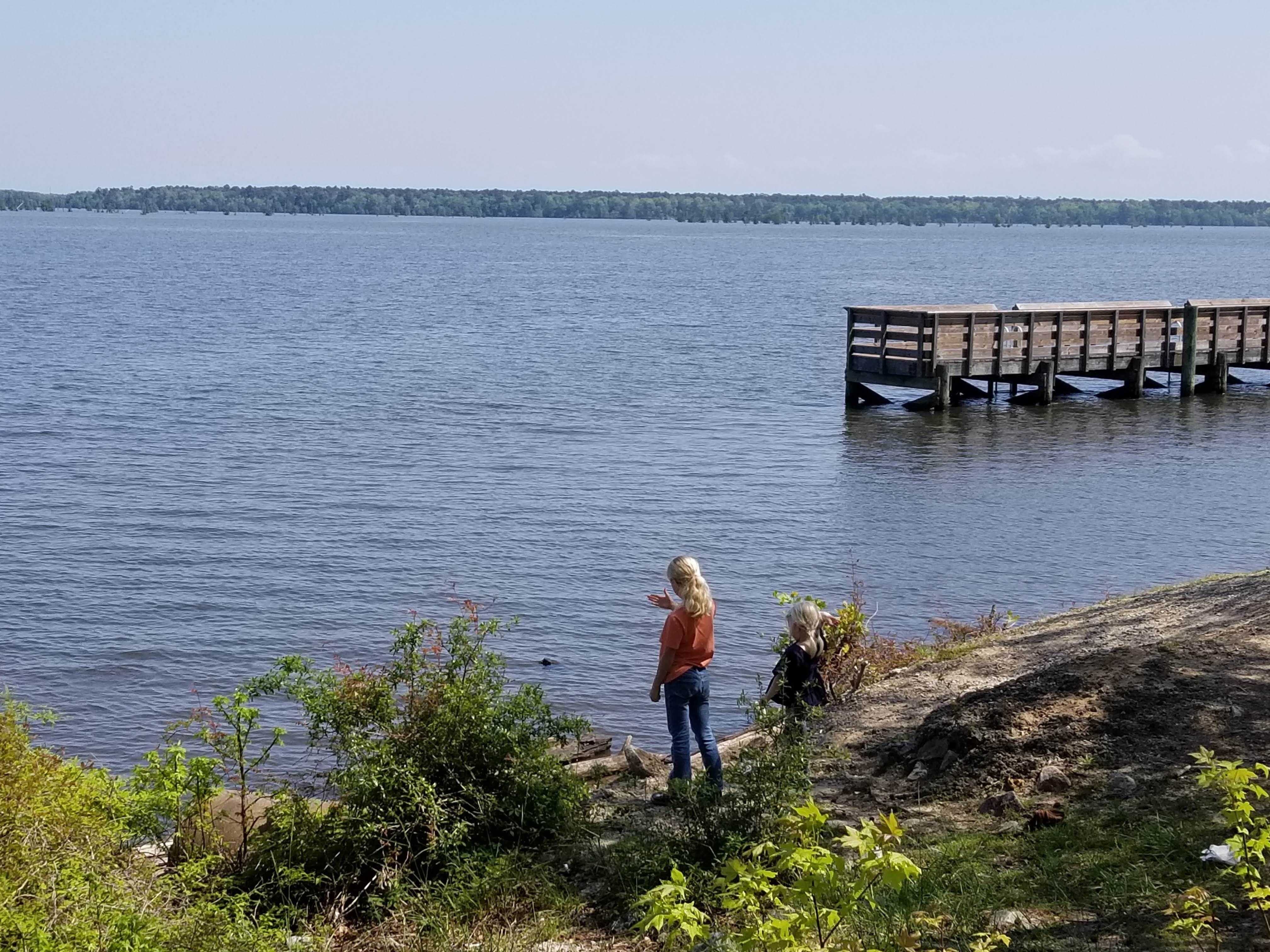
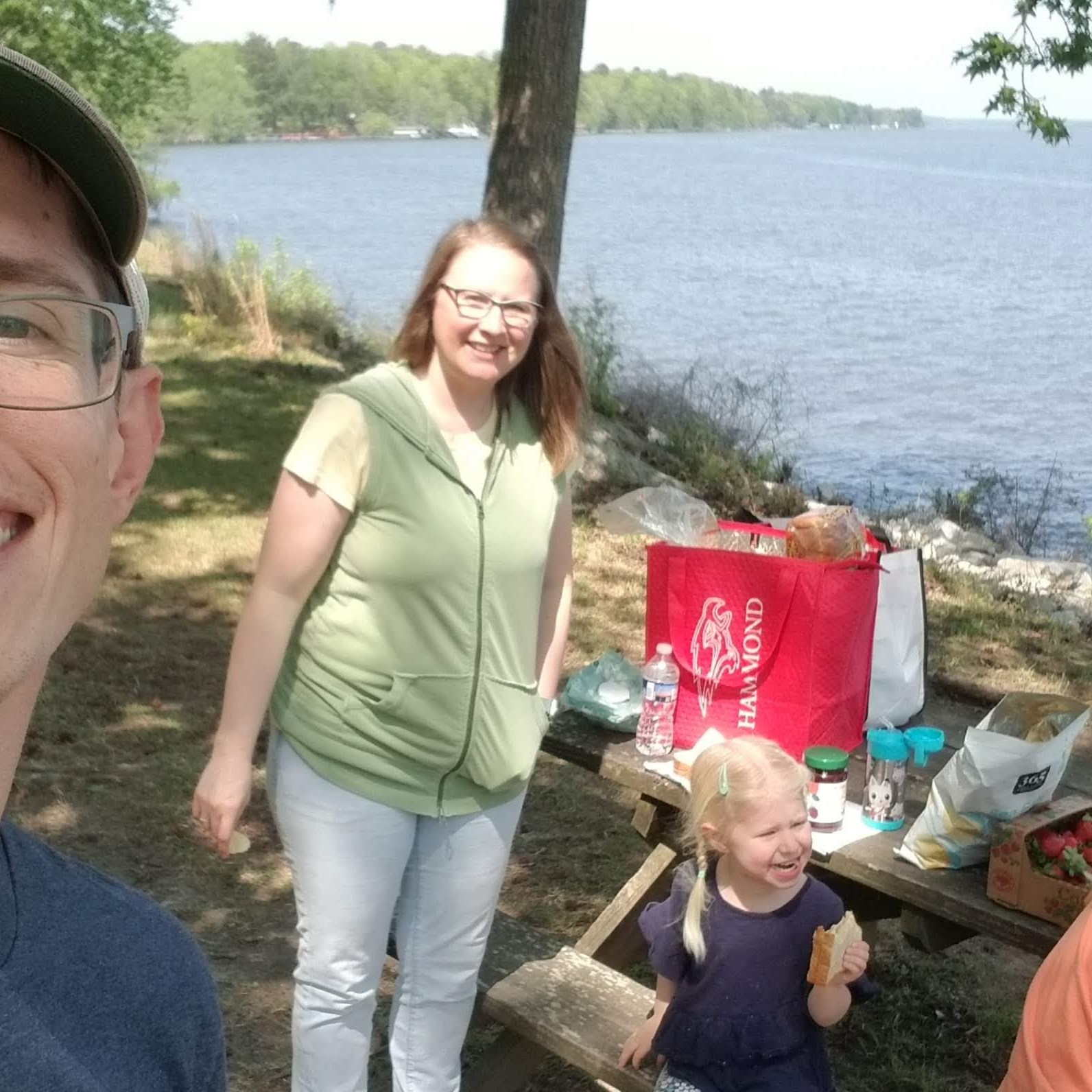
After looking around, we found a picnic table and enjoyed a nice picnic on a beautiful day. While our time in the state park itself was limited, our visit to the national wildlife refuge, coupled with the information in the visitor center definitely made us feel like we had a successful visit to the area. Check out some of our our other pictures by clicking below, and then check out our next stop–Charles Pinckney National Historic Site!
 Beavers in the Park