
This is Part 2 of our trip to various Alabama and Mississippi sites. To read Part 1 (Freedom Riders National Monument in Anniston, AL), click here. As promised in Part 1, Tiffany is going to be a guest blogger. Enjoy! (Also, after finishing the write-up on Birmingham, Tiffany will also recount our experience at the Legacy Museum in Montgomery, which we visited a few days later. Feel free to skip ahead by clicking here.)
Tiffany again. After visiting both Anniston and Birmingham in the same day, I had so many thoughts and feeling swirling around and I really wanted to write some things down. That’s when Benjamin suggested that I do the posts for these visits. Unfortunately, I waited so long to write (I’m writing in late September) that I don’t remember all of the things I wanted to say back on that hot June day, but I’ll do my best.
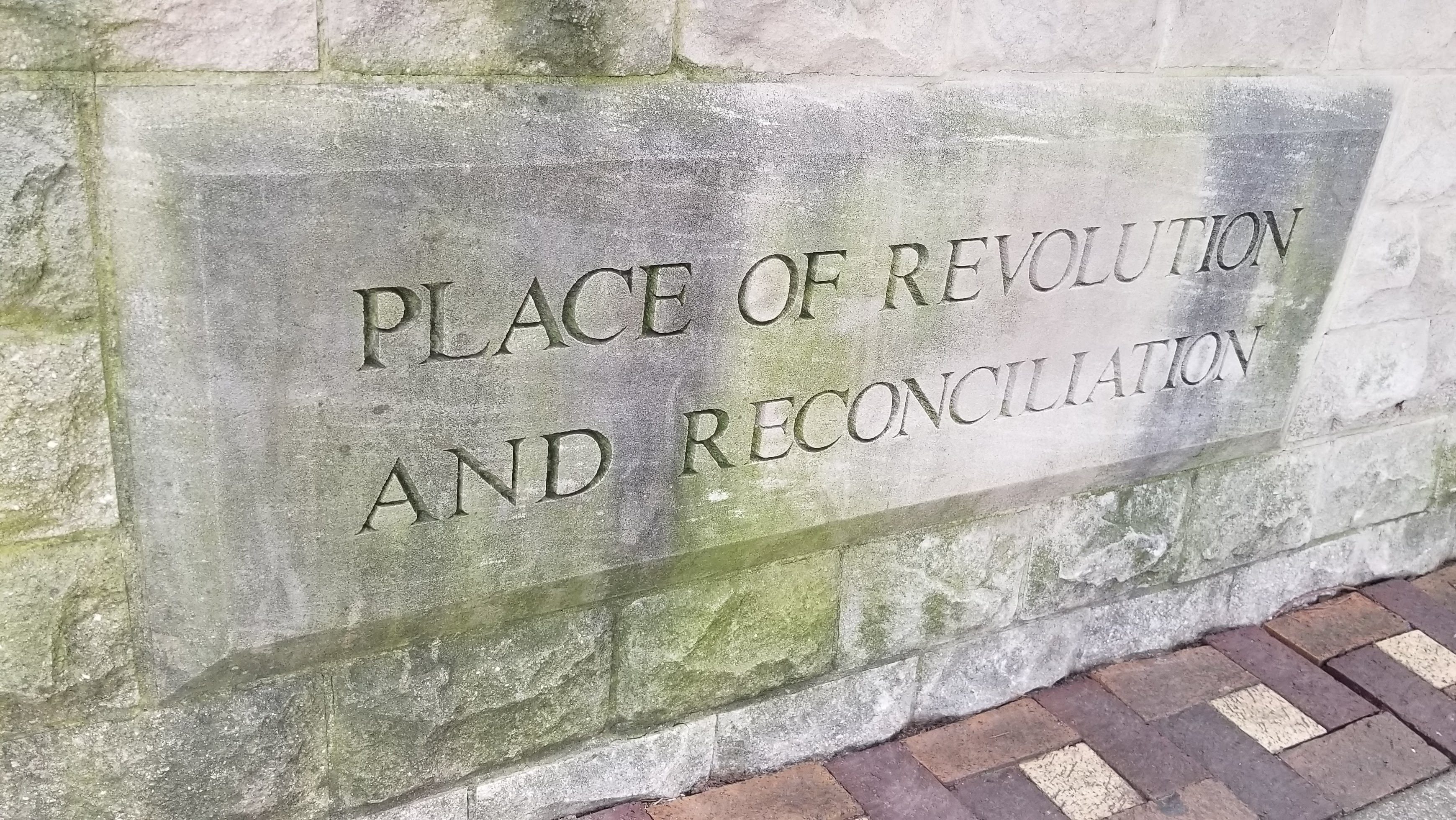
I didn’t realize prior to visiting the Birmingham Civil Rights National Monument just how especially charged and volatile the city of Birmingham was during the height of the Civil Rights Movement. According to the park brochure (aka unigrid), “In Birmingham, Alabama, the heart of the racially-segregated South, a series of strategically planned, non-violent protests resulted in terrifying, and sometimes deadly, retaliatory attacks. Violent and shocking images broadcast around the world elevated civil rights from a Southern issue to a pressing national issue, helping ensure passage of the Civil Rights Act of 1964.”
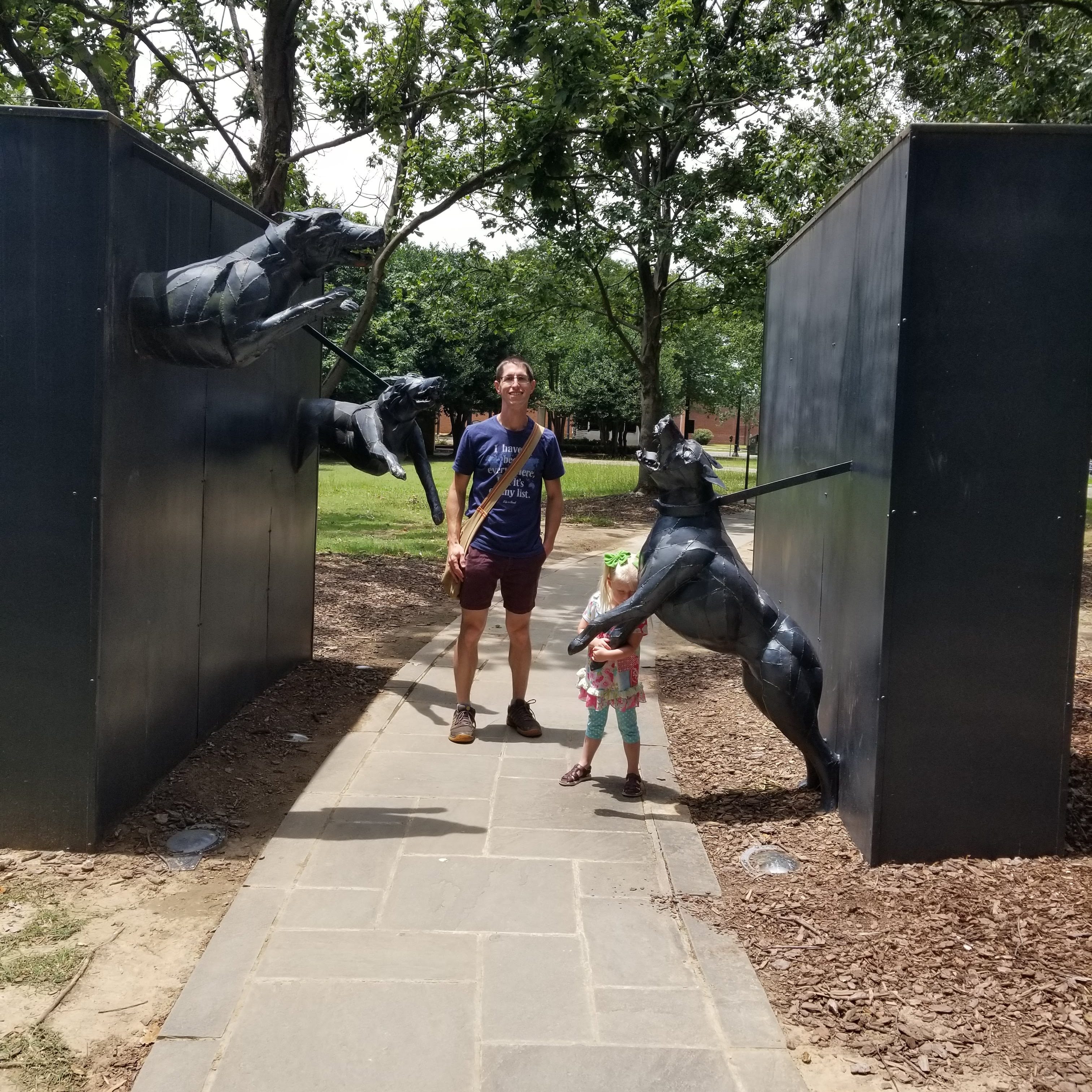
We arrived and parked in a parking deck a block away from the museum that constitutes a large part of this National Park. Kelly Ingram Park encompasses an entire city block that we walked through to get to the museum. The park tells the story of the brutality used against Black people fighting for their civil rights. One especially memorable section forces you to walk between two tall metal walls that have angry German shepherds popping out and coming right at you. This helps you to feel the severity of the intimidation and dehumanization that was used against human beings, and specifically against child protesters who were sprayed with fire hoses and attacked by dogs on May 3, 1963, at the command of the Commissioner of Public Safety.
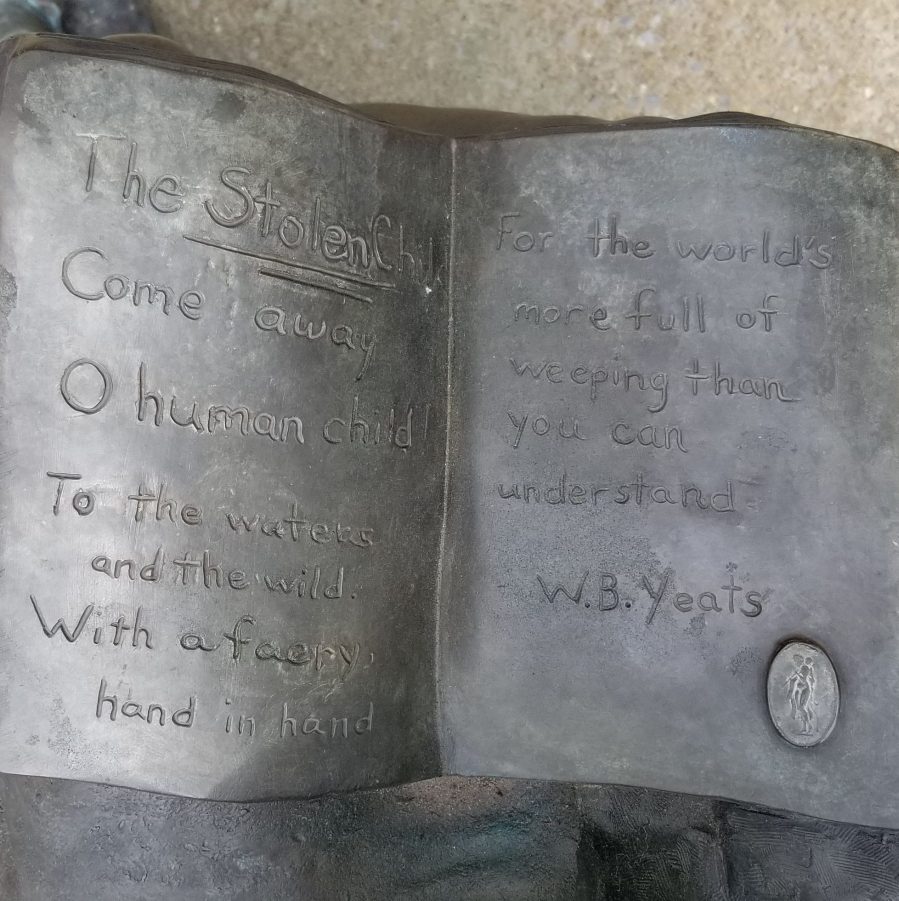
On the corner across the street from the museum there is a memorial to four little girls who were killed by the KKK when they planted a bomb at the Sixteenth Street Baptist Church (which is diagonally across the street). Twenty others were injured in the attack as well. This event was one catalyst that led to the passage of the Civil Rights Act of 1964.
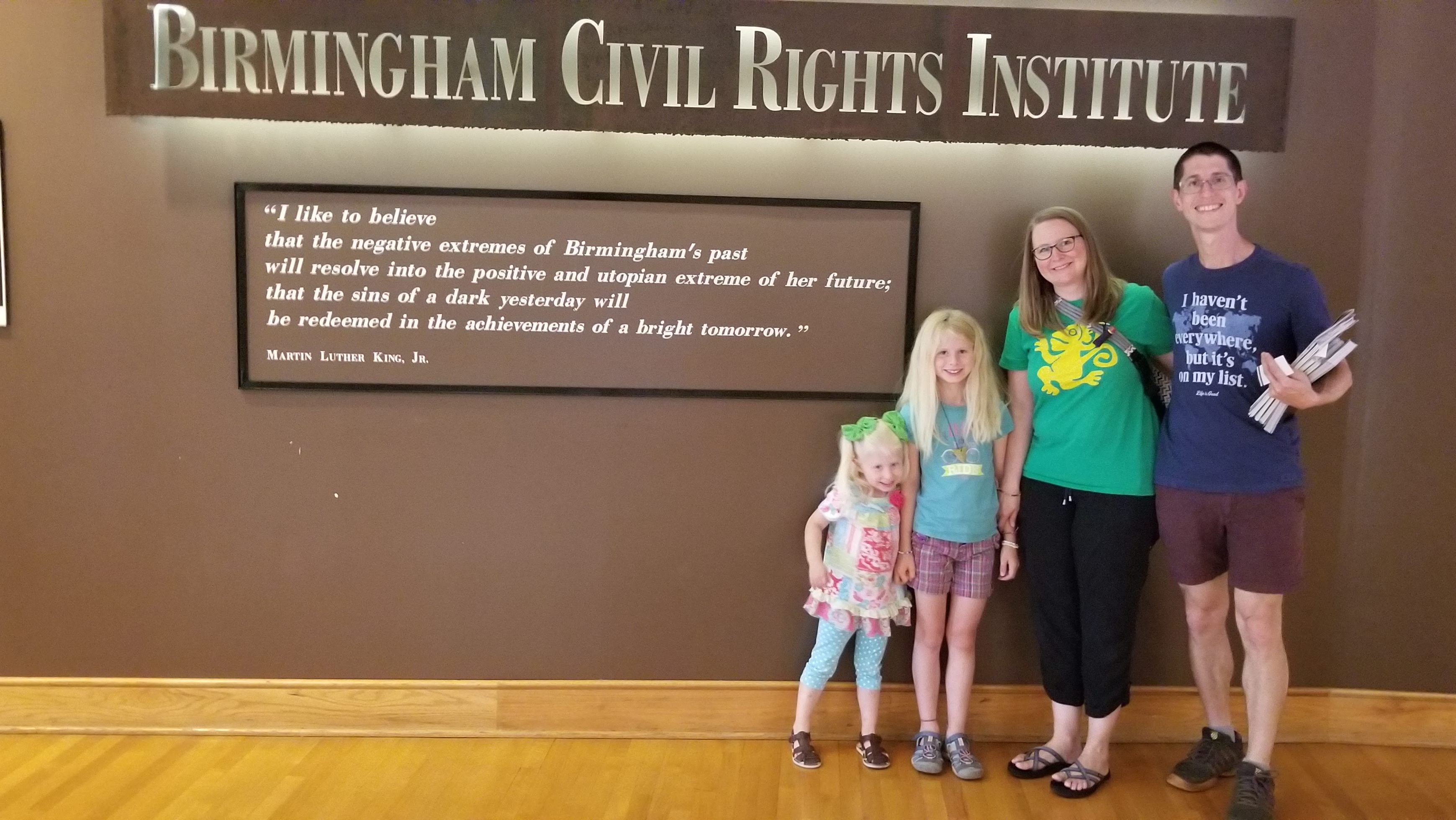
The Birmingham Civil Rights Institute is one of those places where you could spend multiple hours…or days. Artifacts, stories, videos and photos wind their way through hallway after hallway. The overwhelming feelings I got as a walked through were anger, confusion, and sadness. Anger that humans being can so grossly mistreat one other, confusion in wondering how this could ever be the case and how humans could do some of the things they did (and do), and sadness that this is such a massive part of our history. I also was (and still am) saddened that division and prejudice are still a part of our world. It’s not as if the struggle for equal rights for all Americans has ended victoriously for all parties.
(Appendix from Benjamin: One thing in the museum that was especially eerie was an actual KKK robe, donated anonymously, as well as a cross that had been used and burned by them.)
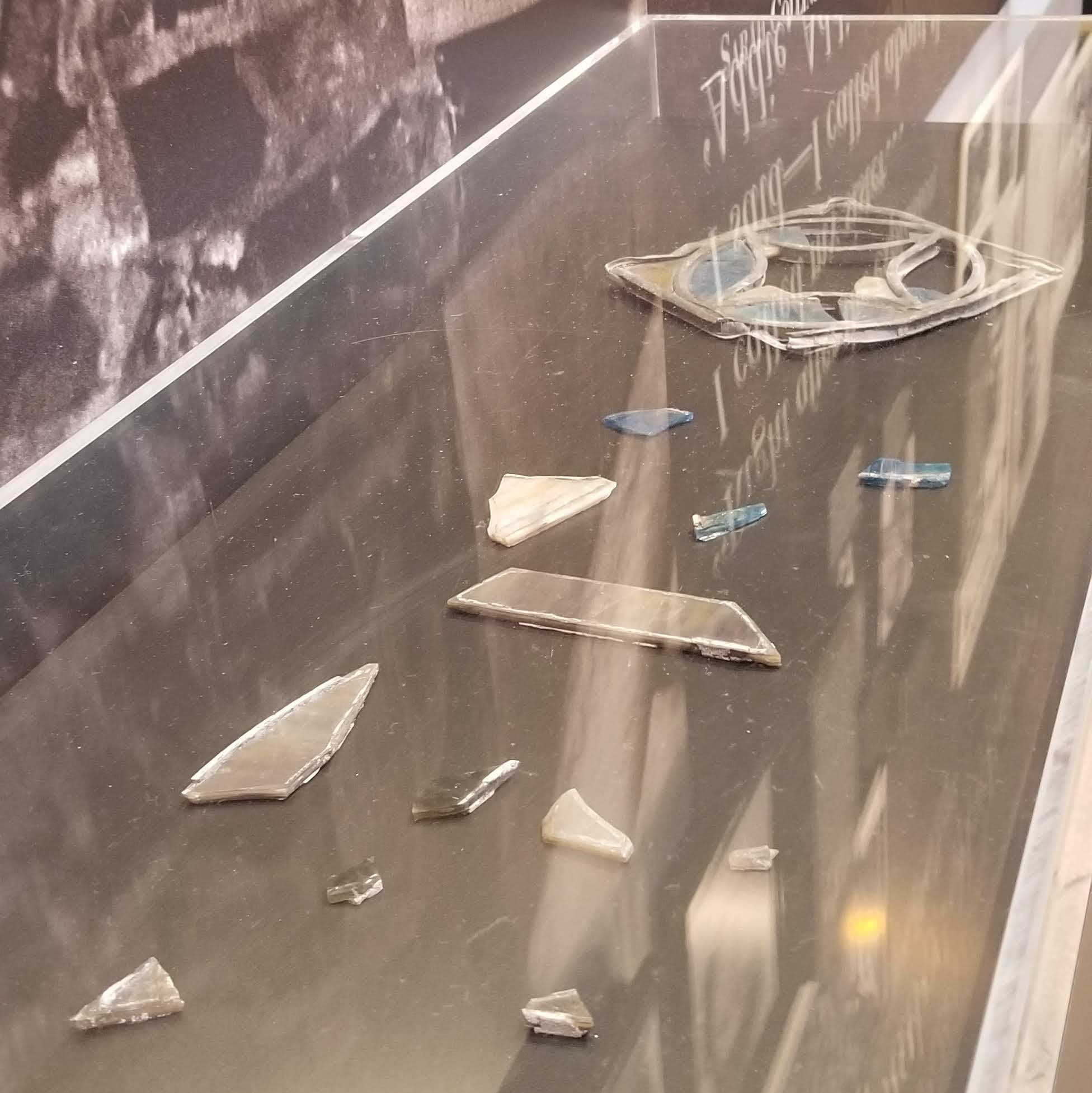
Interlude from Benjamin: After we left Birmingham, we headed towards Jackson, MS, where we would spend the next couple of nights. Feel free to skip ahead to Part 3 of our adventure here. But after we visited a few sites in Mississippi and went to my dad’s family reunion down in Hattiesburg, we passed back through Alabama, going through Montgomery this time. We visited another museum there that is well worth your time if you are passing through. I’ll let Tiffany take back over to provide commentary.
Since it’s not a National Park site but still definitely deserves a mention on our “Civil Rights Tour of the South,” I want to mention the Legacy Museum in Montgomery, and its affiliated National Memorial for Peace and Justice. These sites are maintained by the Equal Justice Initiative (EJI), which is an organization founded by lawyer and activist Bryan Stevenson. If you’ve had any deeper-than-surface-level conversations with me over the past few years, I’ve probably mentioned the profound effect Stevenson’s book Just Mercy has had on me. It was an honor to visit the museum that exists because of Mr. Stevenson’s relentless pursuit of racial justice and reconciliation.
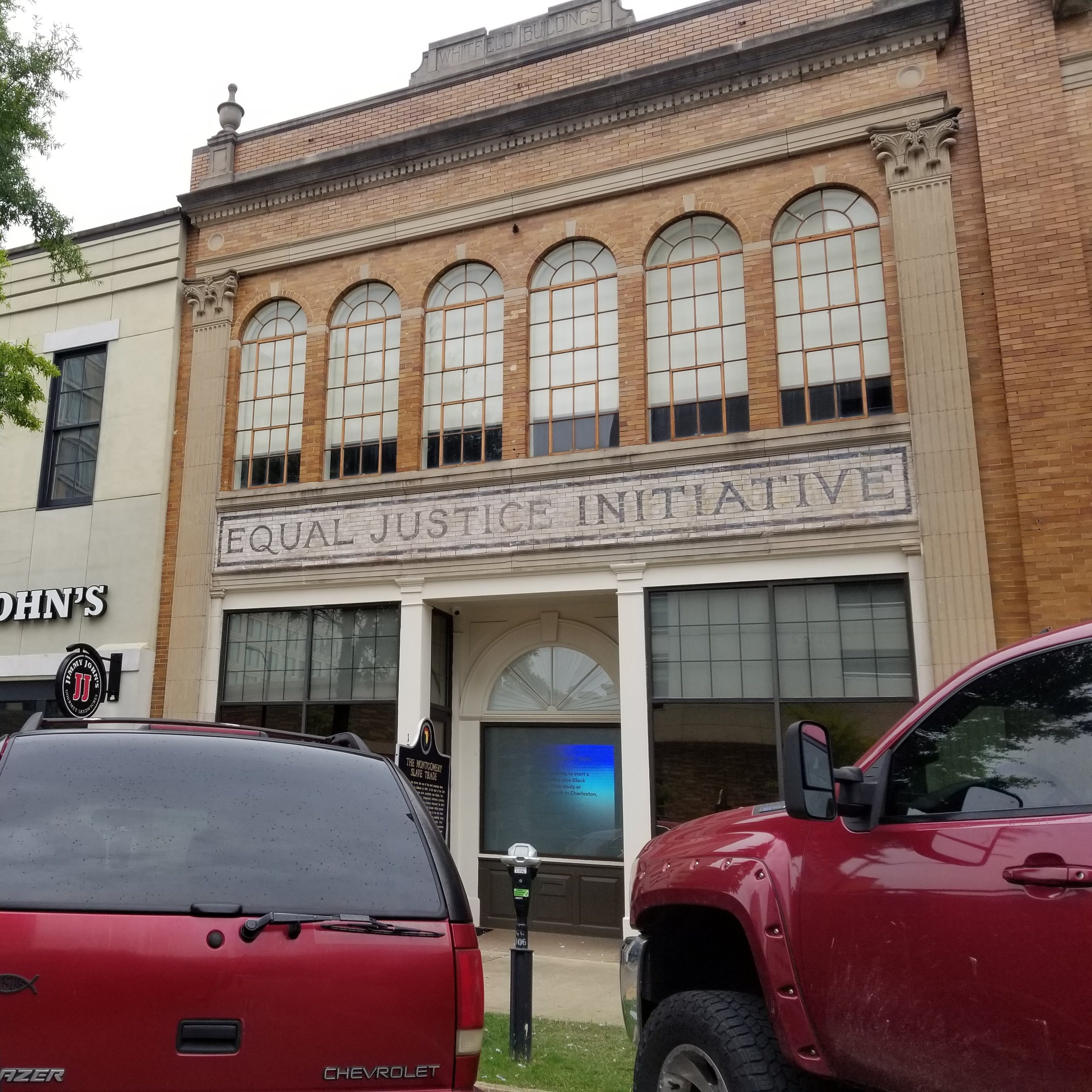
Since the visit to the Legacy Museum, I’ve been telling people that if you can only ever go to one civil rights museum, this is the one you should go to. My reasoning is that this museum attempts to characterize the entire Black experience in America, from the shores of Africa to the 21st century prisons and everything in between. The tag-line the museum uses is: “From Enslavement to Mass Incarceration.”
This museum was especially impressive in that it was intensely immersive. There was incredible use of images, media, technology, art, storytelling, and information to help tell this story. Even while being partially distracted by chasing a 4-year-old through the hallways and exhibits, I could feel the weight of it all. Teagan was especially mesmerized with some of the video storytelling throughout the exhibit.
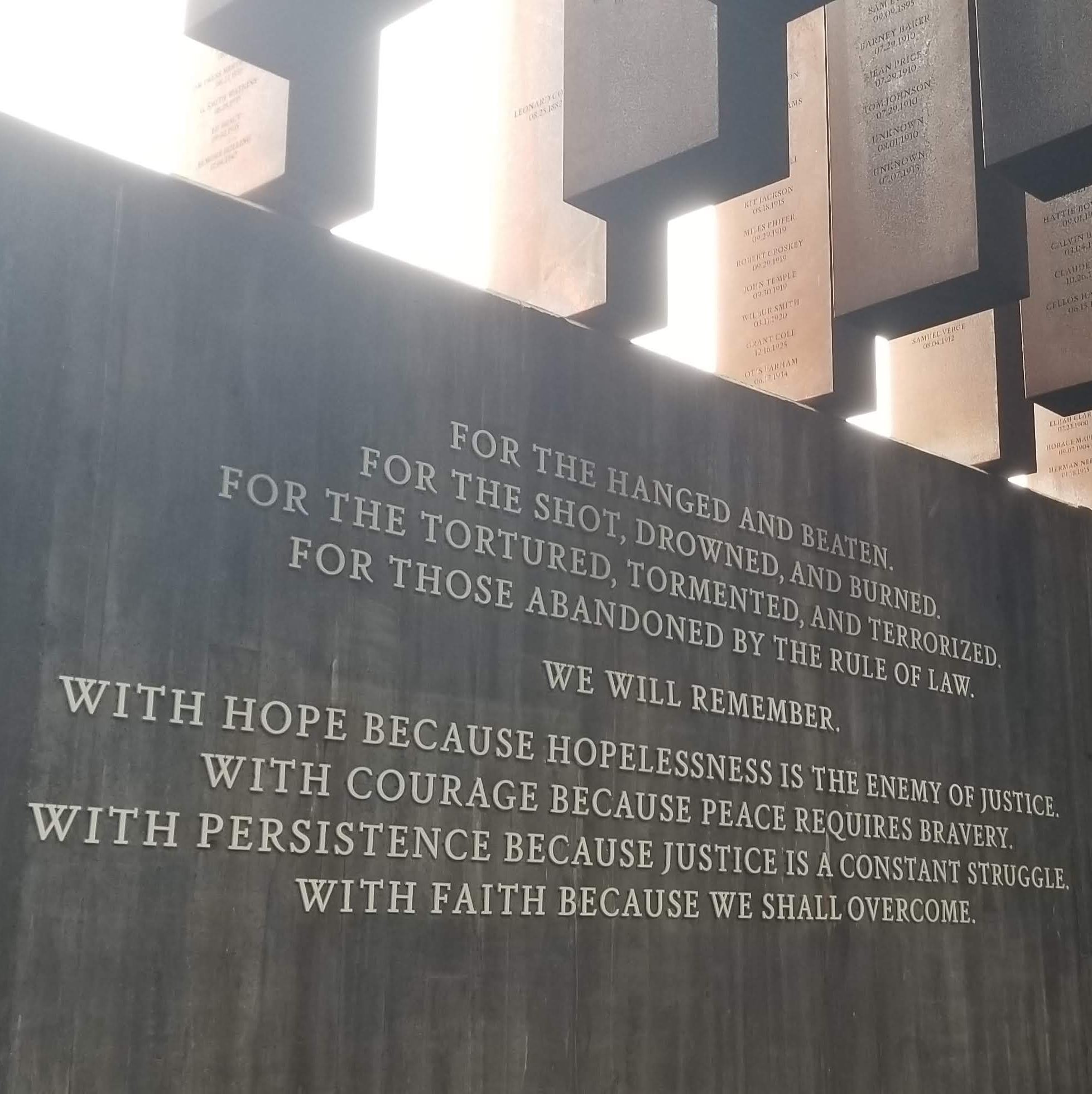
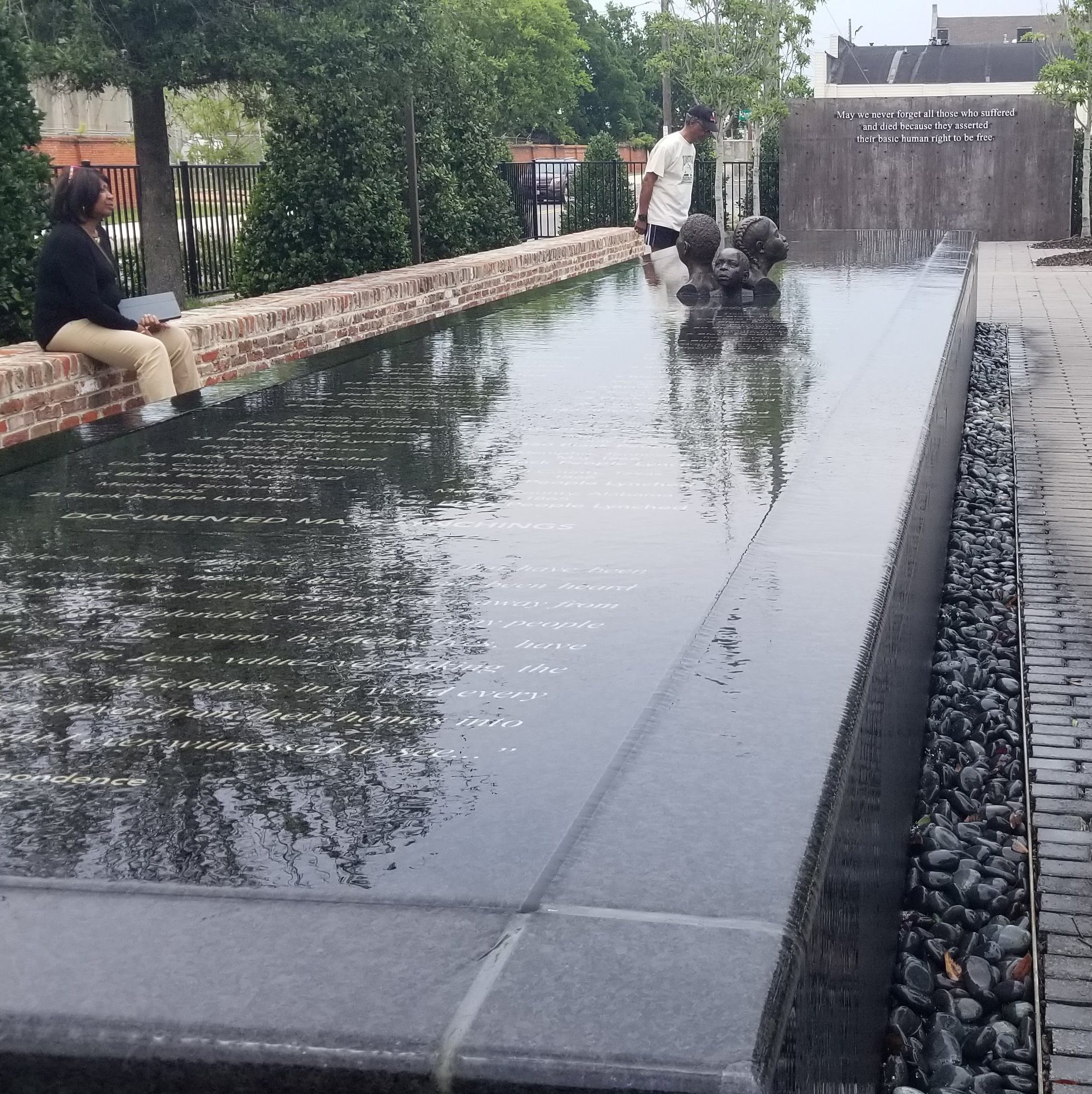
And then as if that wasn’t enough, your $5 ticket also affords you entry to The National Memorial for Peace and Justice a few miles away. This is a memorial set up to remember and honor the over 4,000 individuals who were unjustly lynched during the Jim Crow era. The memorial includes concrete pillars suspended from the ceiling, upon which are etched the names of individuals from each state and county in the South where they were murdered. The memorial also includes dirt taken from the sites of hundreds of lynchings.
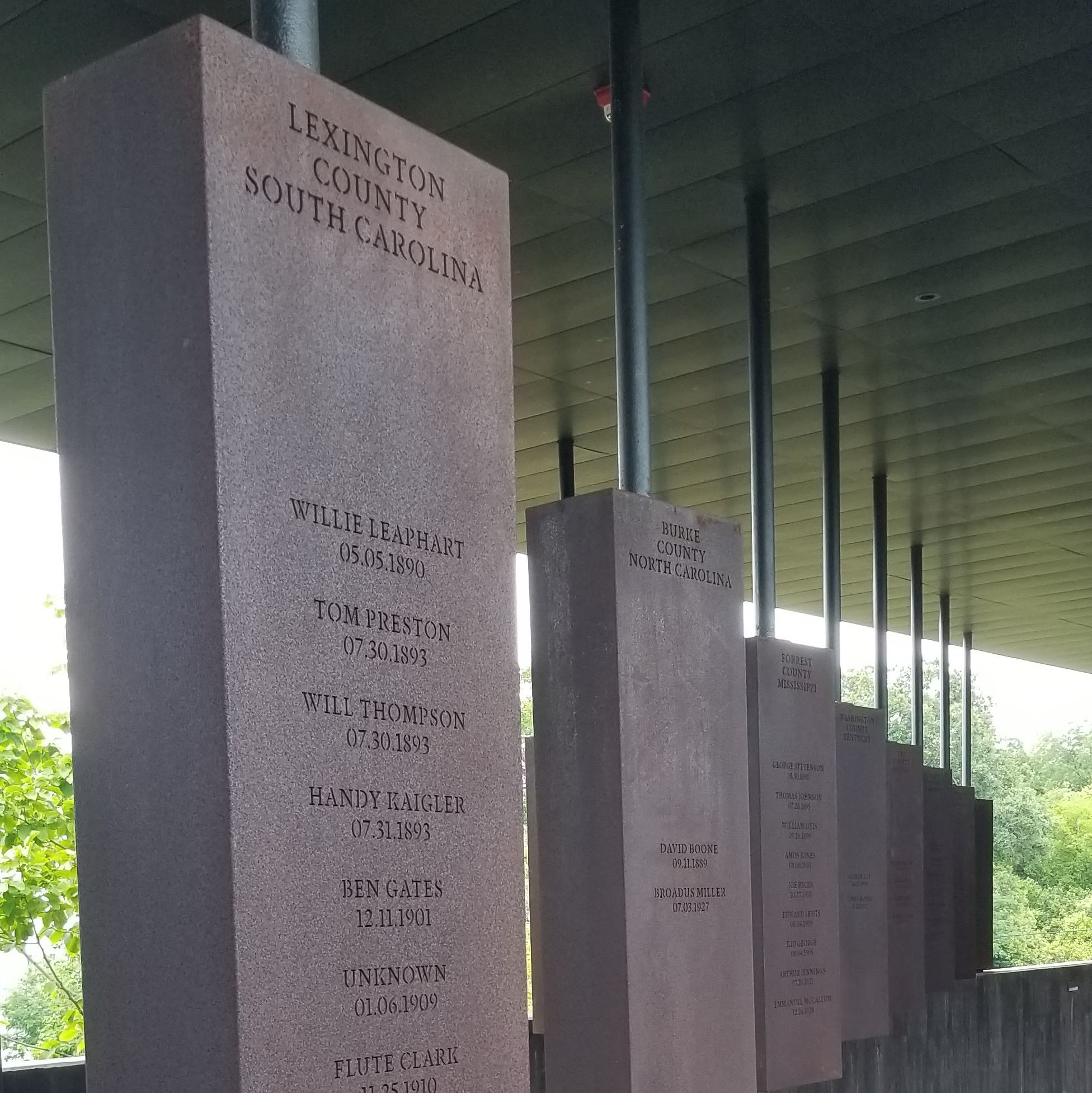
The visit to this memorial obviously necessitated a conversation with Teagan about what lynching is and why it was done. As we visited this site on Fathers Day, I joked with Benjamin that while some dads were playing catch with their kids, we were teaching ours about lynching. But as you can tell from our entire trip, that was our goal all along – to teach our kids (and ourselves) about real, true, hard things.
When I asked Teagan in the car what she thought, she said “That was amazing.” I wasn’t able to get her to unpack that more, but the fact that she found it “amazing” instead of “boring” shows that she was paying attention and learning. I hope that this trip laid some foundations for her future (and Sage’s too, as much as a 4-year-old can learn from a trip full of museum trips).
 Beavers in the Park