
This is the fifth park the Beavers visited on our Alabama/Mississippi tour. In part four, I give some history of the Natchez Trace as we briefly visited the Natchez Trace National Scenic Trail (NST)
Now, I need to explain what a parkway is, at least in the way the National Park Service uses it. A parkway is intended to be a scenic drive through an area. There are few to no intersections that cause you to stop. There are no commercial advertisements or establishments. No commercial travel is (supposed to be) allowed. And the speed limit tends to be lower. Along the way, there are different pull-offs to learn about some of the history behind the area.
The parkway extends from Nashville down to Natchez, MS. So, in theory, you could start at one end, set your cruise control on 45, and go.
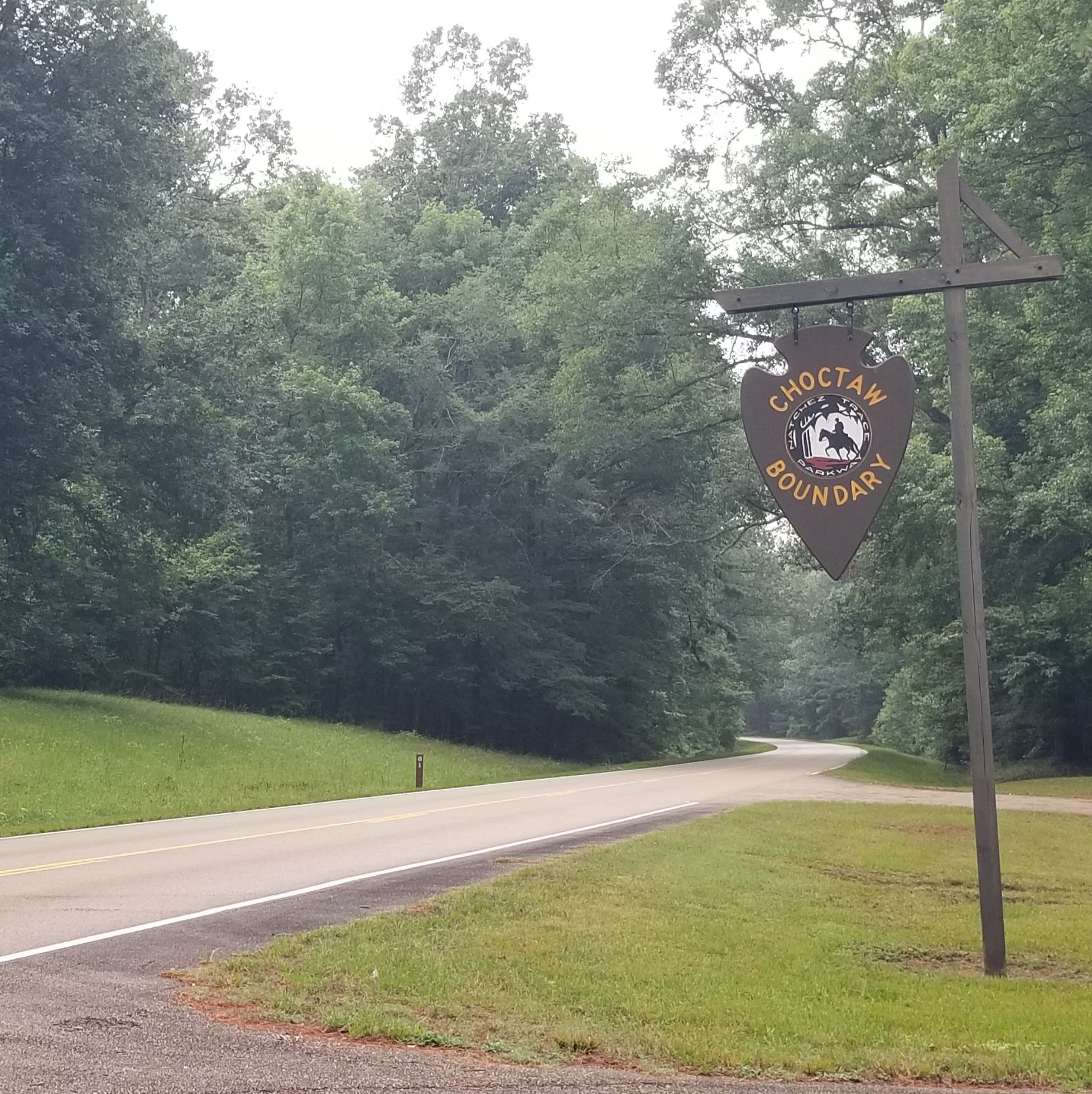
Growing up, I was familiar with the Blue Ridge Parkway (which is also another unit of the NPS), but I was not familiar with the Natchez Trace Parkway. I also wasn’t expecting to love it as much as I did.
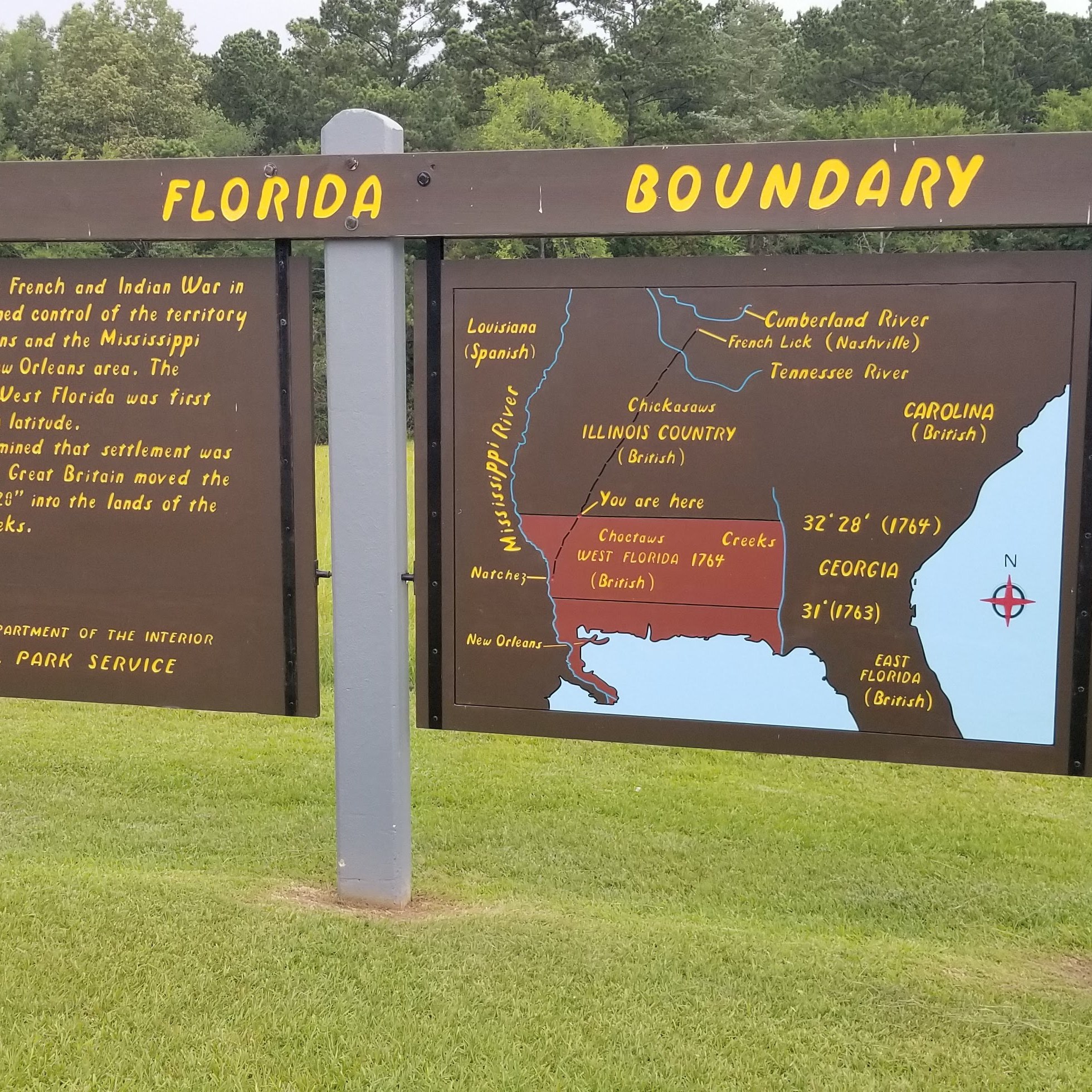
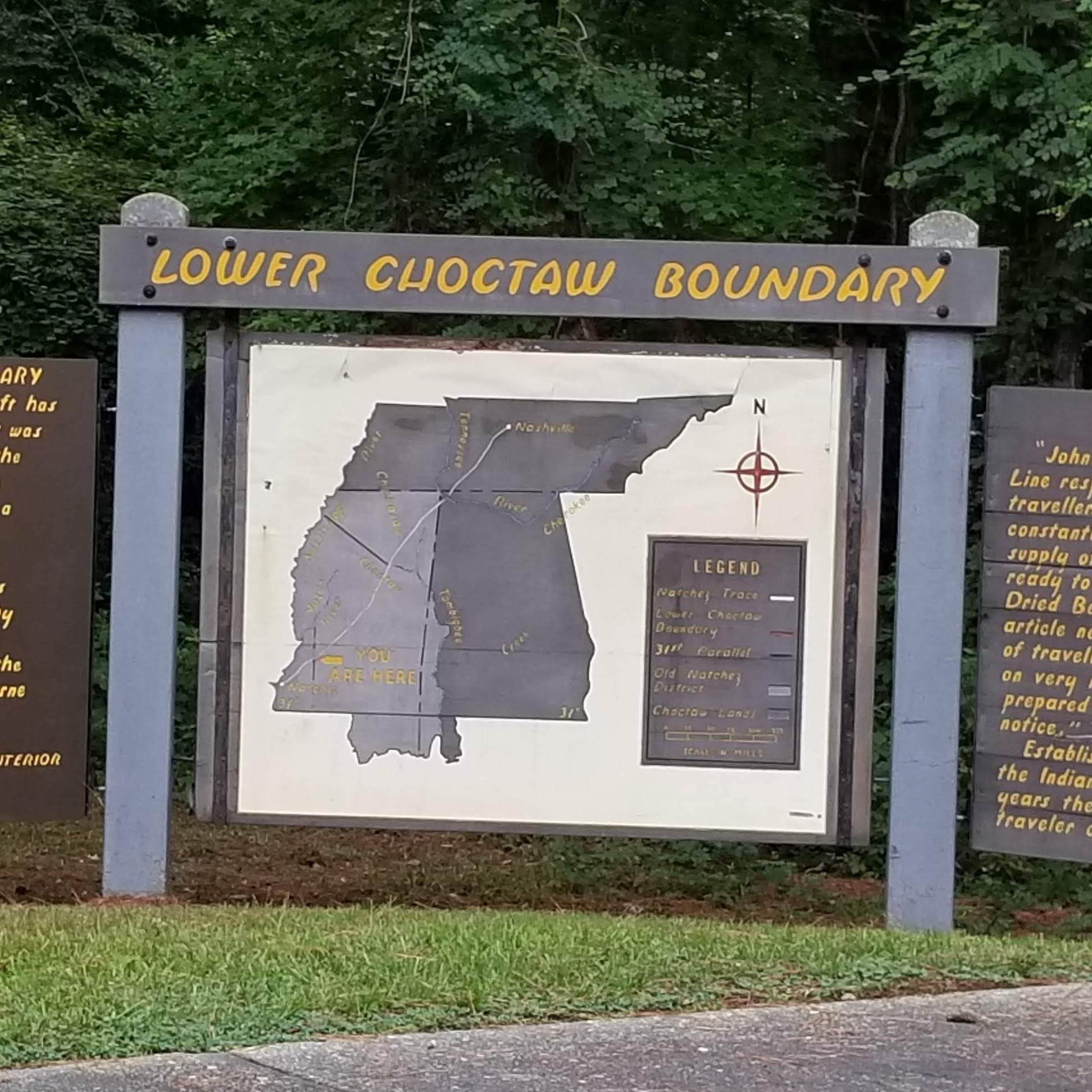
On the 14th, we traveled the parkway a few miles northeast of Jackson to the pull off at the West Florida Boundary (click in the gallery below if you’re interested in reading what this represented historically). Here we got out and briefly ventured onto the NST. We also played frisbee in the lawn until a storm came rolling in. (It hailed a lot that night!)

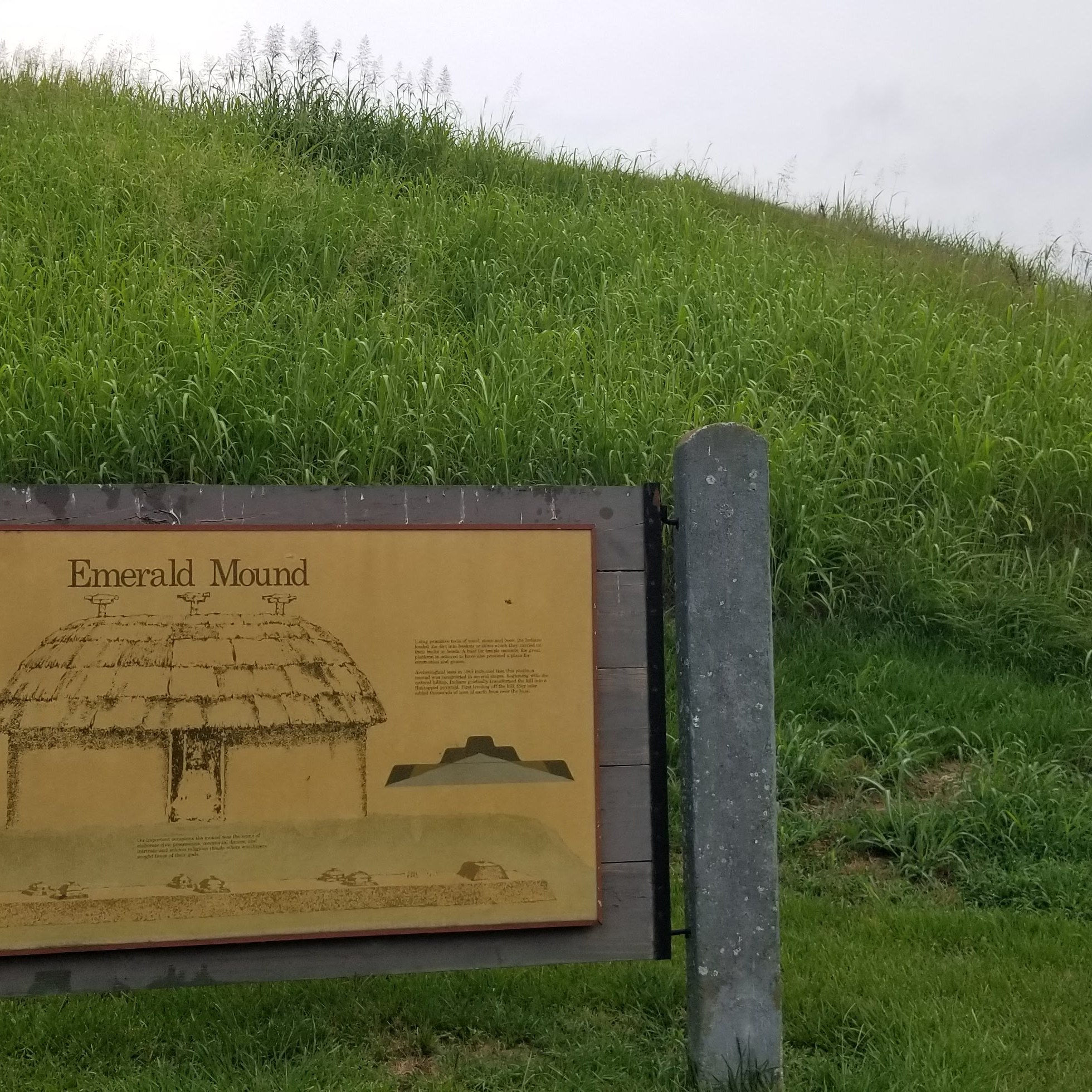
On the 15th (Sage’s illness having then passed to Tiffany), we hit the road towards Natchez. We stopped at a couple of sites, but the one that most impressed me was Emerald Mound. I had only heard about Native American (specifically the Mississippian peoples’) mounds within the past year or two. We visited one on our trip to Santee State Park and vicinity back in SC. Emerald Mound is much bigger.
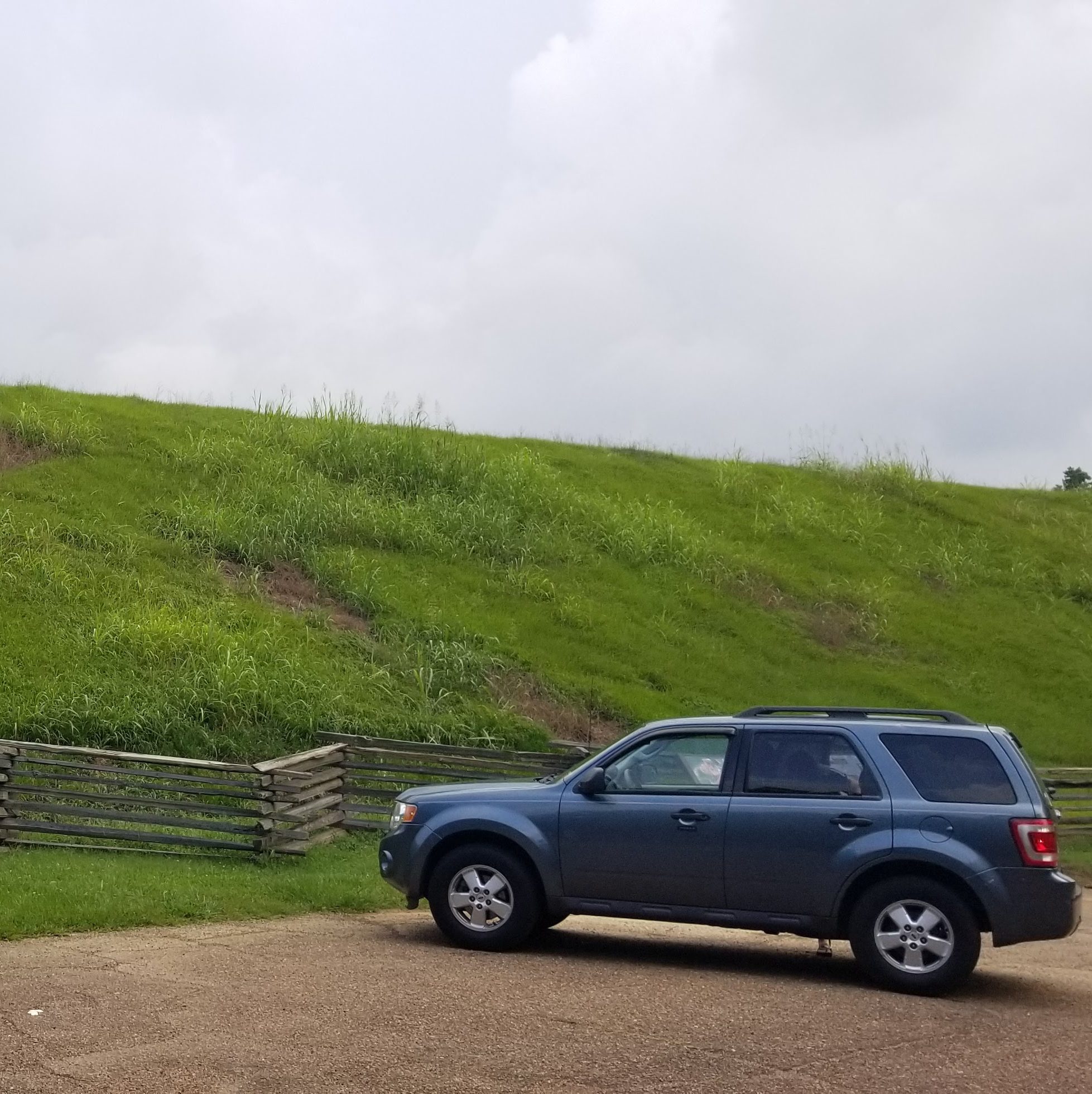
The sign here said that is the biggest mound outside of Cahokia, Illinois, having been used as a temple by the Mississippian people from around 1300-1600. The people here were the ancestors of the Natchez tribe. Interestingly here, there is a mound also on top of this mound, and in the past there were more. Down in Natchez, there is the Grand Village of the Natchez Indians, but we weren’t able to visit this time.
We had intended on stopping at Mount Locust, the last remaining ‘stand’ that once existed along the trace, having been built in the 1780s. Here, travelers could rest and get supplies along their way. Today, it serves as a visitor center for the Parkway and NST.
One problem: Remember the storm from the night before? It unfortunately caused a tree to fall on the house. Thus, we couldn’t get our passport stamp or have the girls get their Junior Ranger badges. Fortunately, the Natchez National Historical Park visitor center down in Natchez had a stamp for the Parkway, and I requested the badges and the stamp for the NST via snail mail.
I greatly enjoyed the feeling of being out in the middle of nowhere, even though (especially around Jackson) business as usual was just right on the other side of the trees. I can imagine that this place is especially beautiful in the fall.
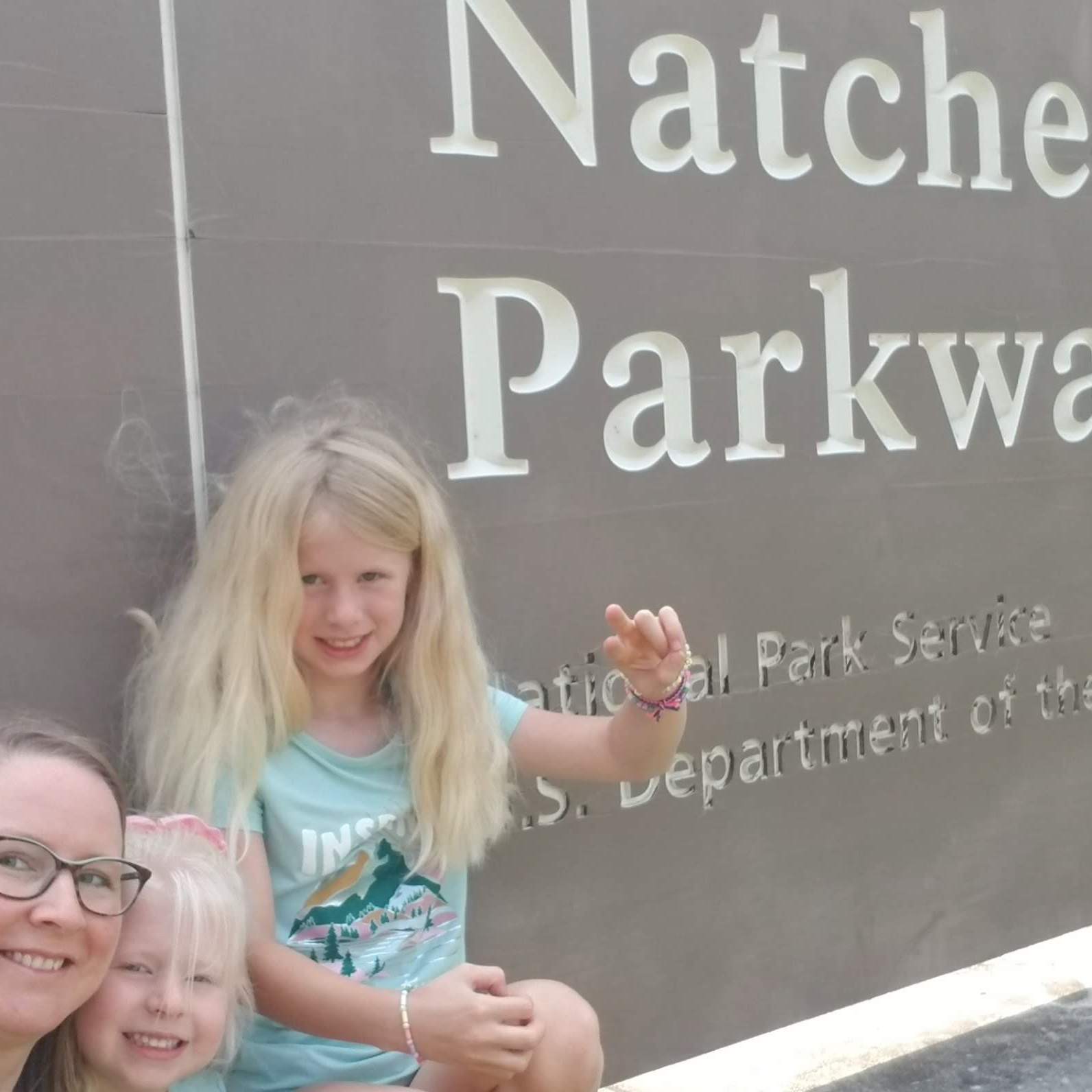
Another great memory from the Parkway was Teagan taking the opportunity to teach Sage how to spell Mississippi. It took about the entire length from Jackson to Natchez, but she got it! (I mean, you can’t go to Mississippi and not know how to spell it.). Tiffany, unfortunately, was asleep for most of that. She wasn’t feeling well, and she can’t resist a car nap even when she is fine.
Click below for some more pictures, including some of the places we stopped at. I look forward to hopefully traveling more of the Parkway at some point in the future! Next up on our tour: Natchez National Historical Park.
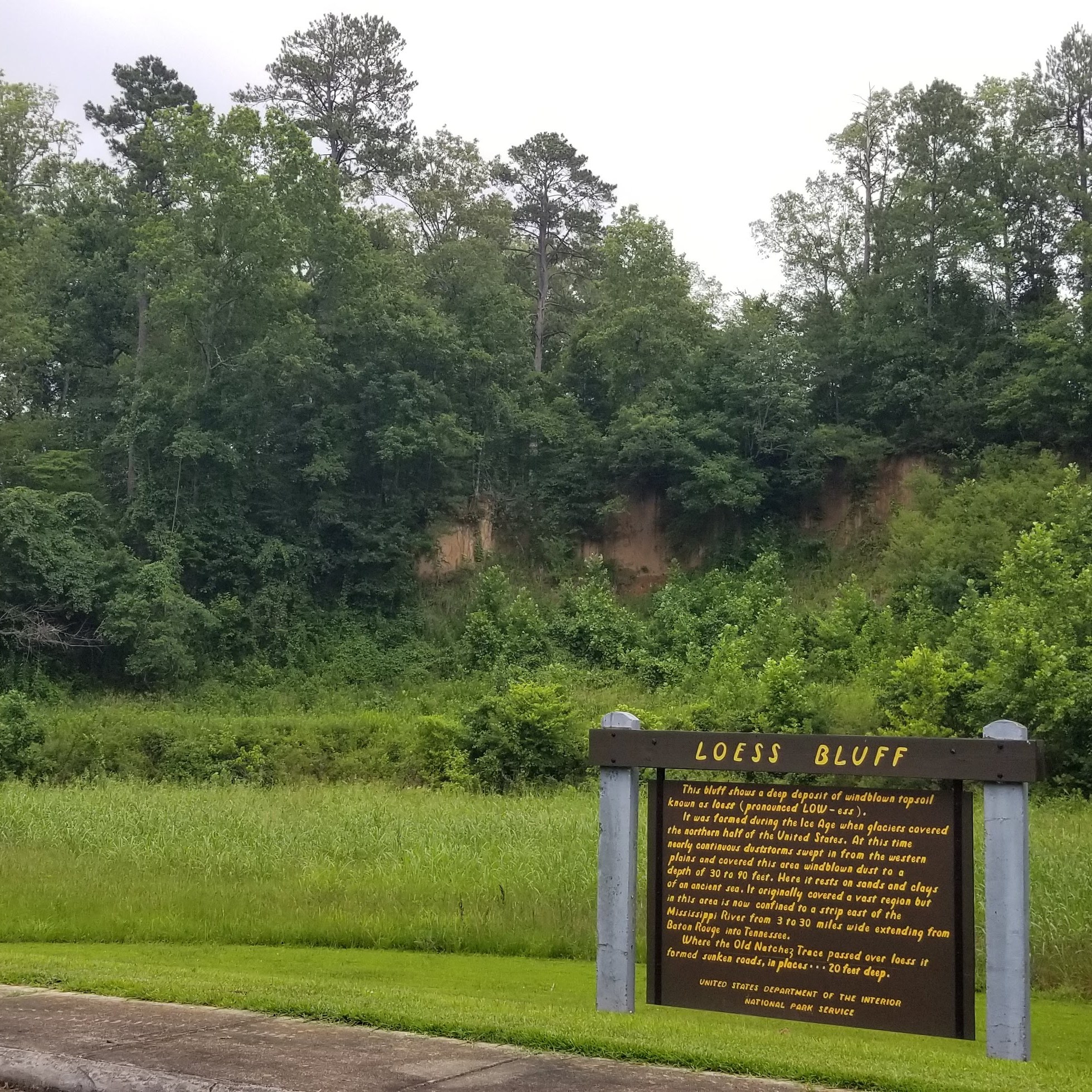
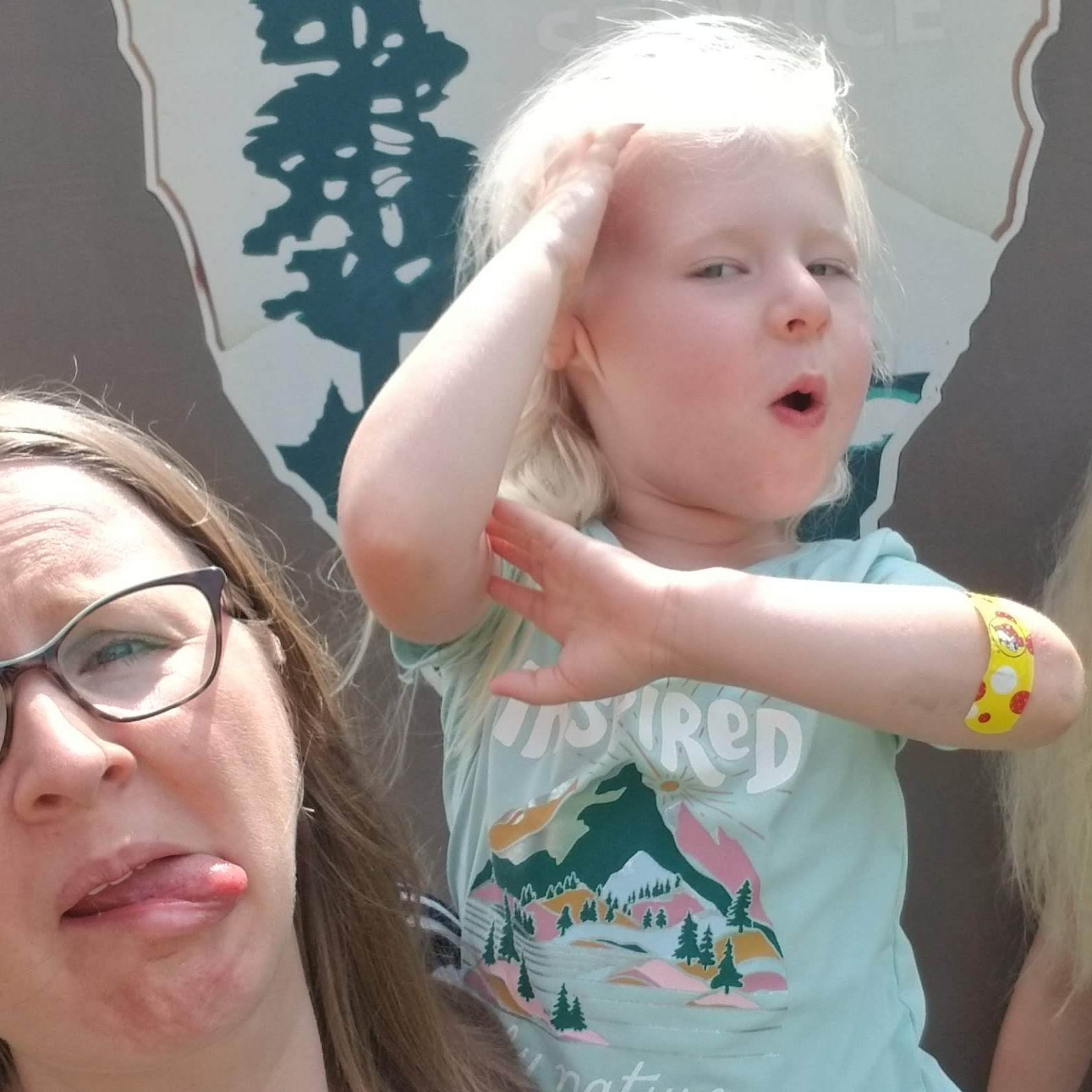
 Beavers in the Park