After enjoying a beautiful day at Fort Pulaski, we arrived at Fort Frederica in the late afternoon. This is an 18th-century era fort located on the north part of St. Simons Island, outside of Brunswick. I was excited to visit here due to the history behind it, and I hope Teagan will take some of it to heart as she prepares her Florida presentation later this school year.
In the era of colonization of America, the European nations were trying their best to stake their claim to whatever territory they could get their hands on. By the early 1700s, Charlestown (Charleston) and St. Augustine had been firmly established (though the Spanish in St. Augustine had a century head start over the English in Charlestown).
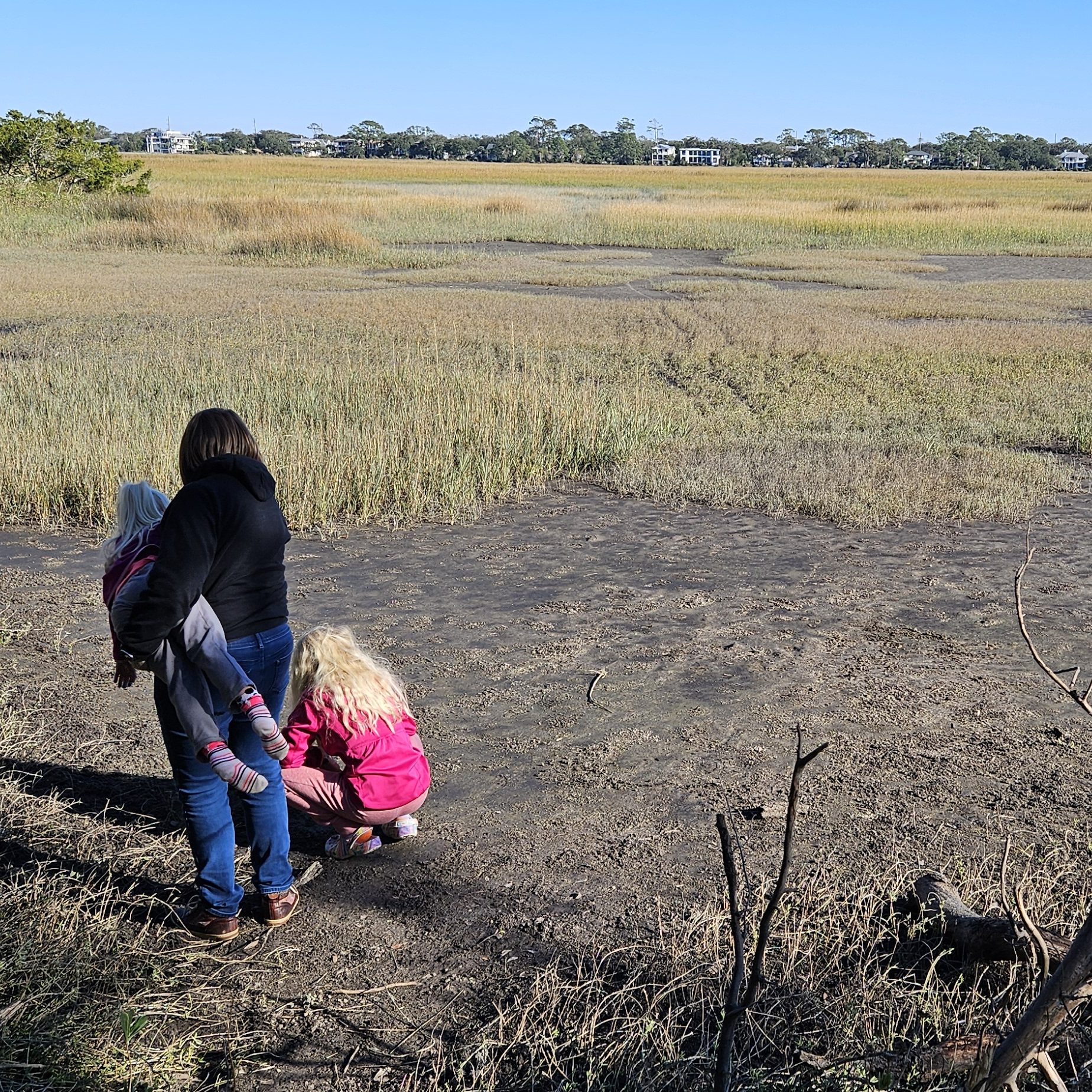
There were several clashes between the two European nations in the late 17th and early 18th centuries, but it was on St. Simons Island in 1742 that Britain, under General Oglethorpe (founder of Georgia), finally handed the Spanish a defeat that caused them not to venture north anymore. The battle itself was called the Battle of Bloody Marsh (so called due to the stories the British told, saying that the marsh ran red with the blood of the Spanish), and this was part of the larger conflict called the War of Jenkins’ Ear.
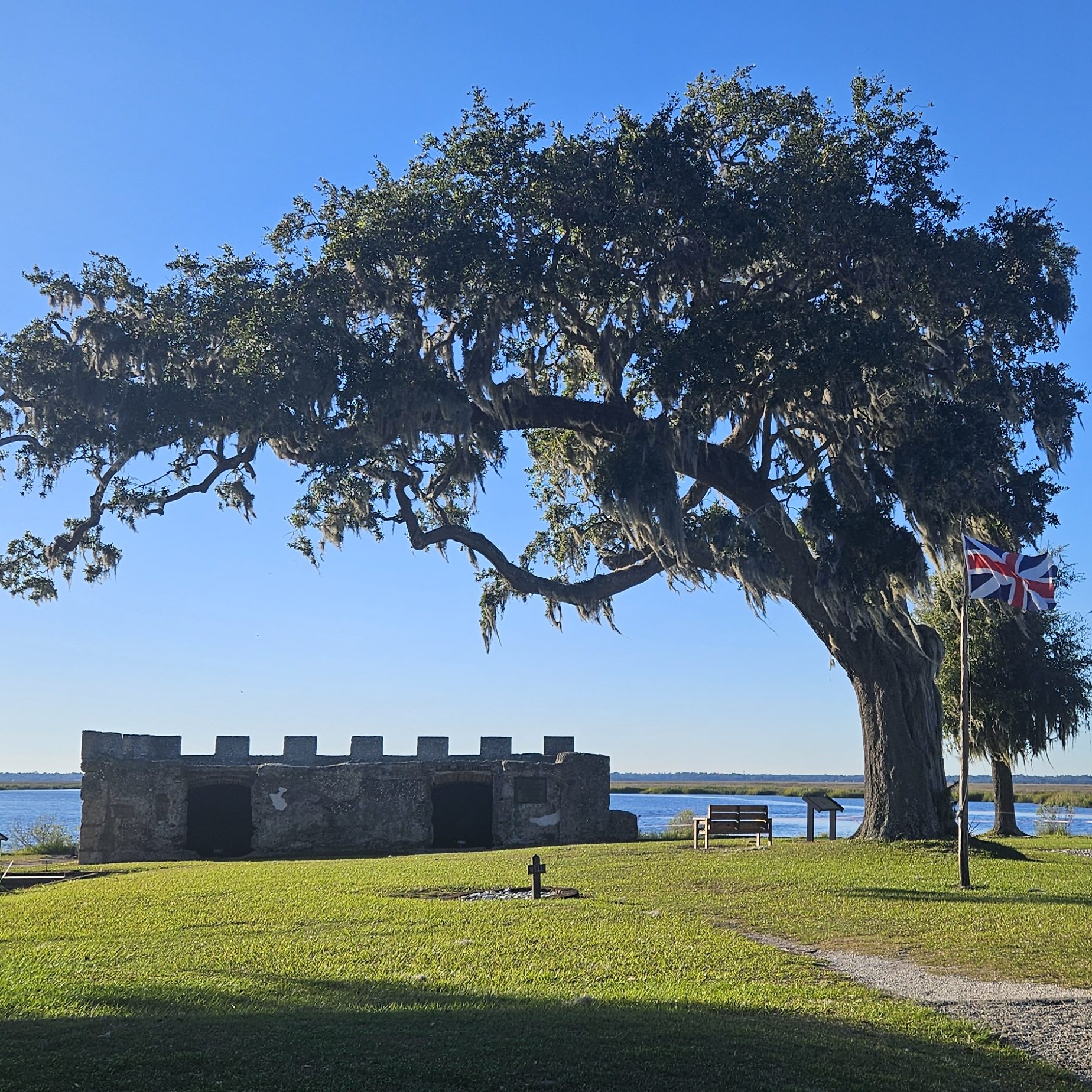
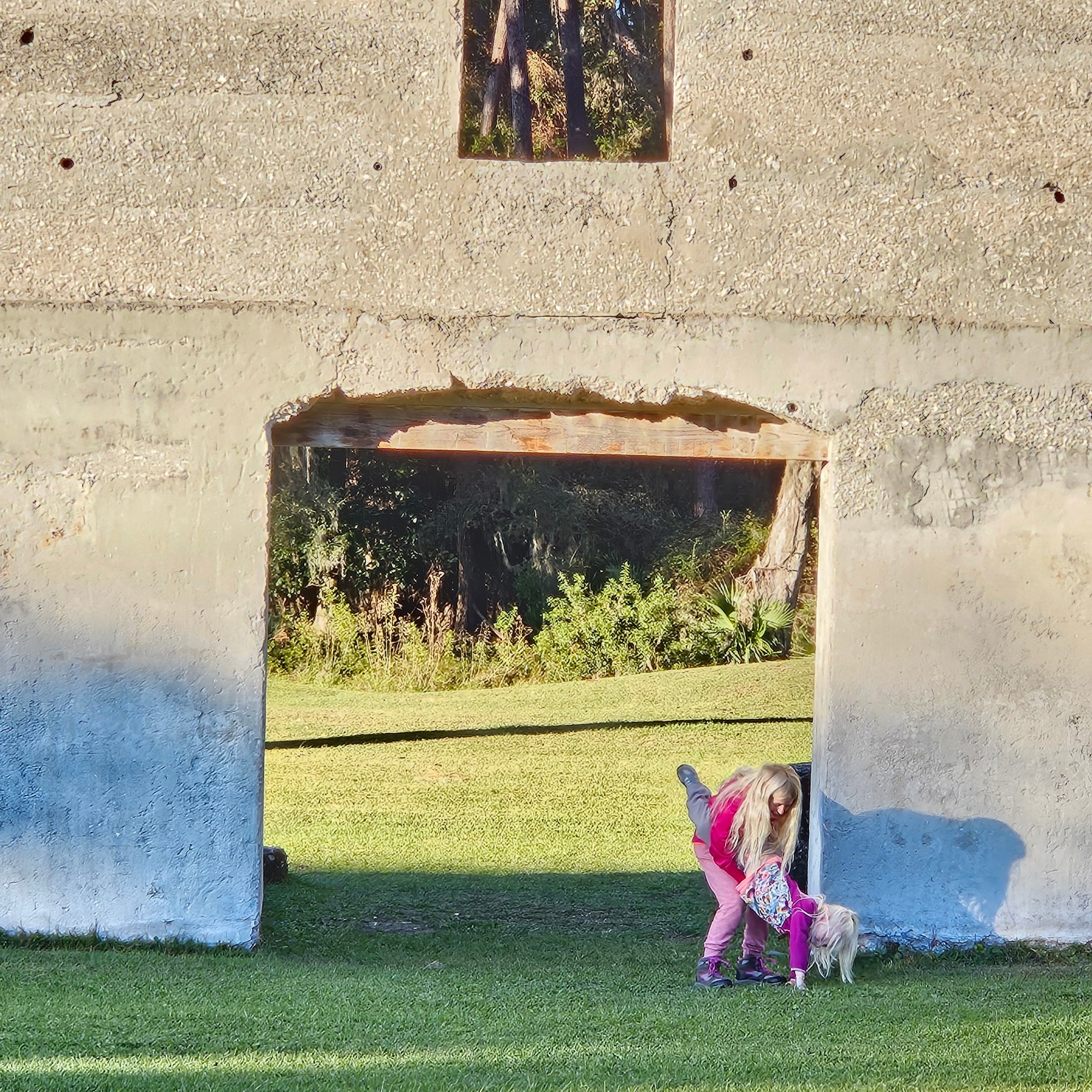
The park owns some land at the Bloody Marsh site, and it also preserves the settlement and fort at Frederica, so named for Frederick Louis, the Prince of Wales and son of King George II (that Georgia is named after), who died before he could become king himself. At the site, there are foundations of some of the brick buildings, as well as part of the fort and barracks, built out of tabby (i.e. a material made with oyster shells, which we’ve previously seen at Colonial Dorchester SHS and at Fort Frederick (named after the same Frederick), which we visited while touring Reconstruction Era NHP. The grounds are full of oak trees with Spanish moss hanging off of them.
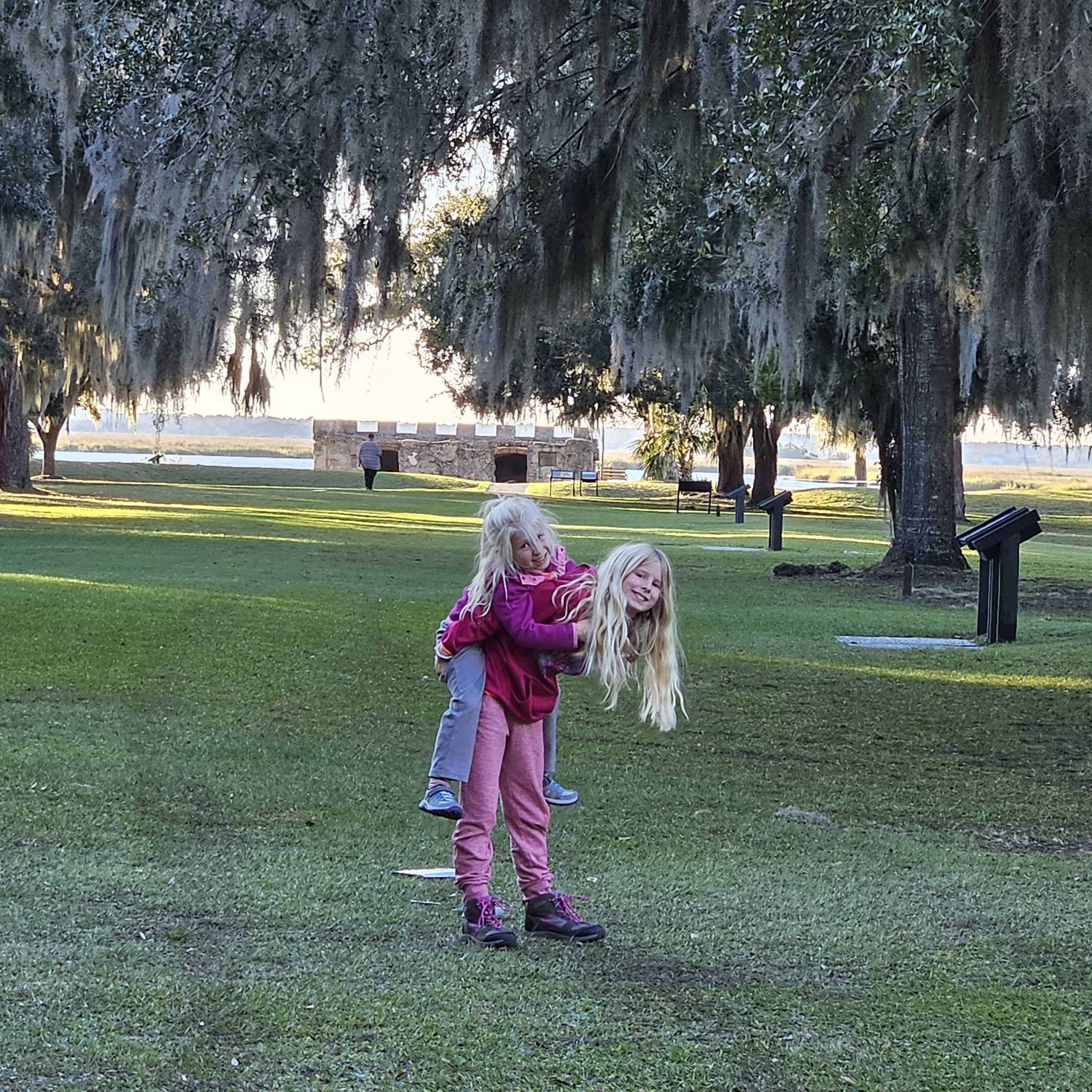
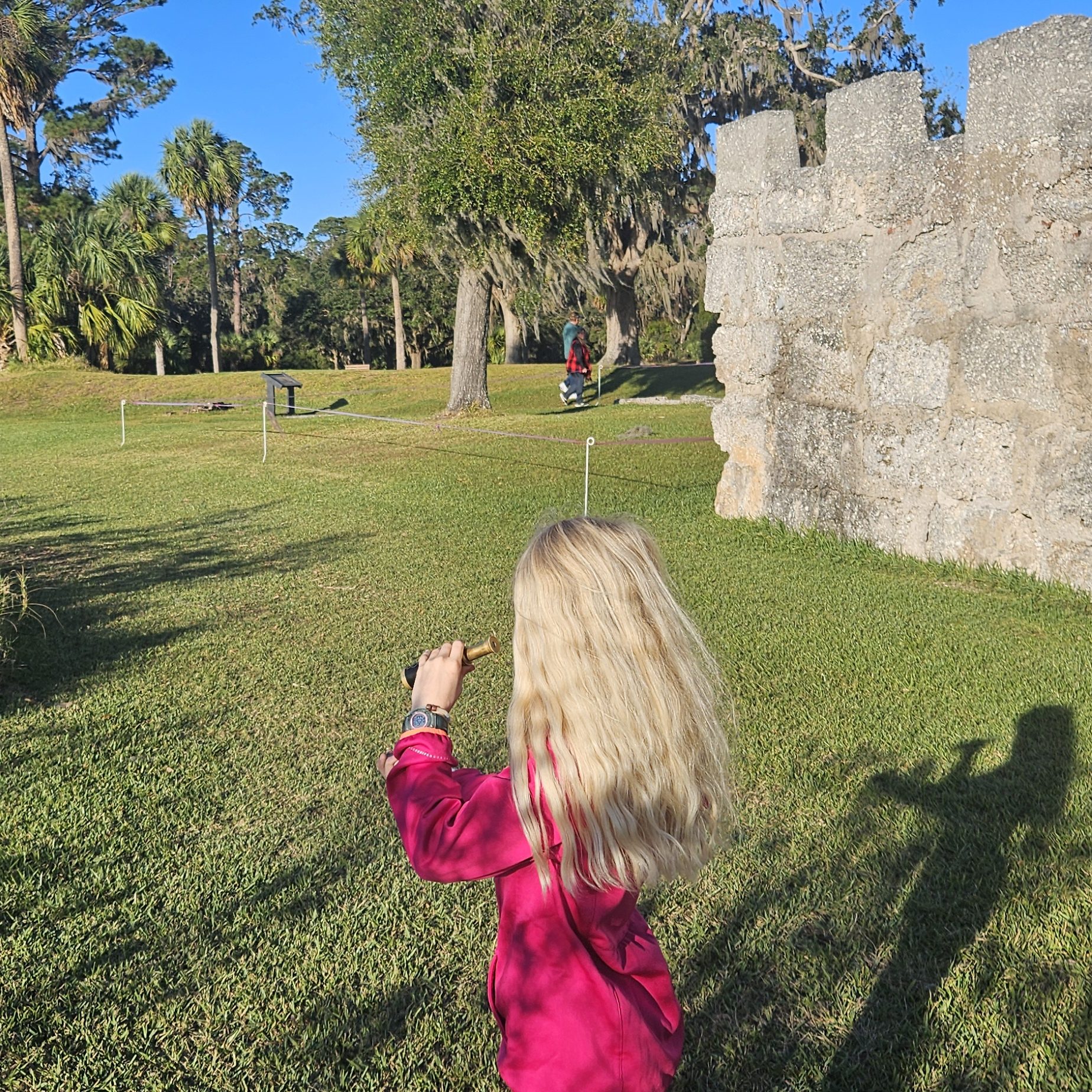
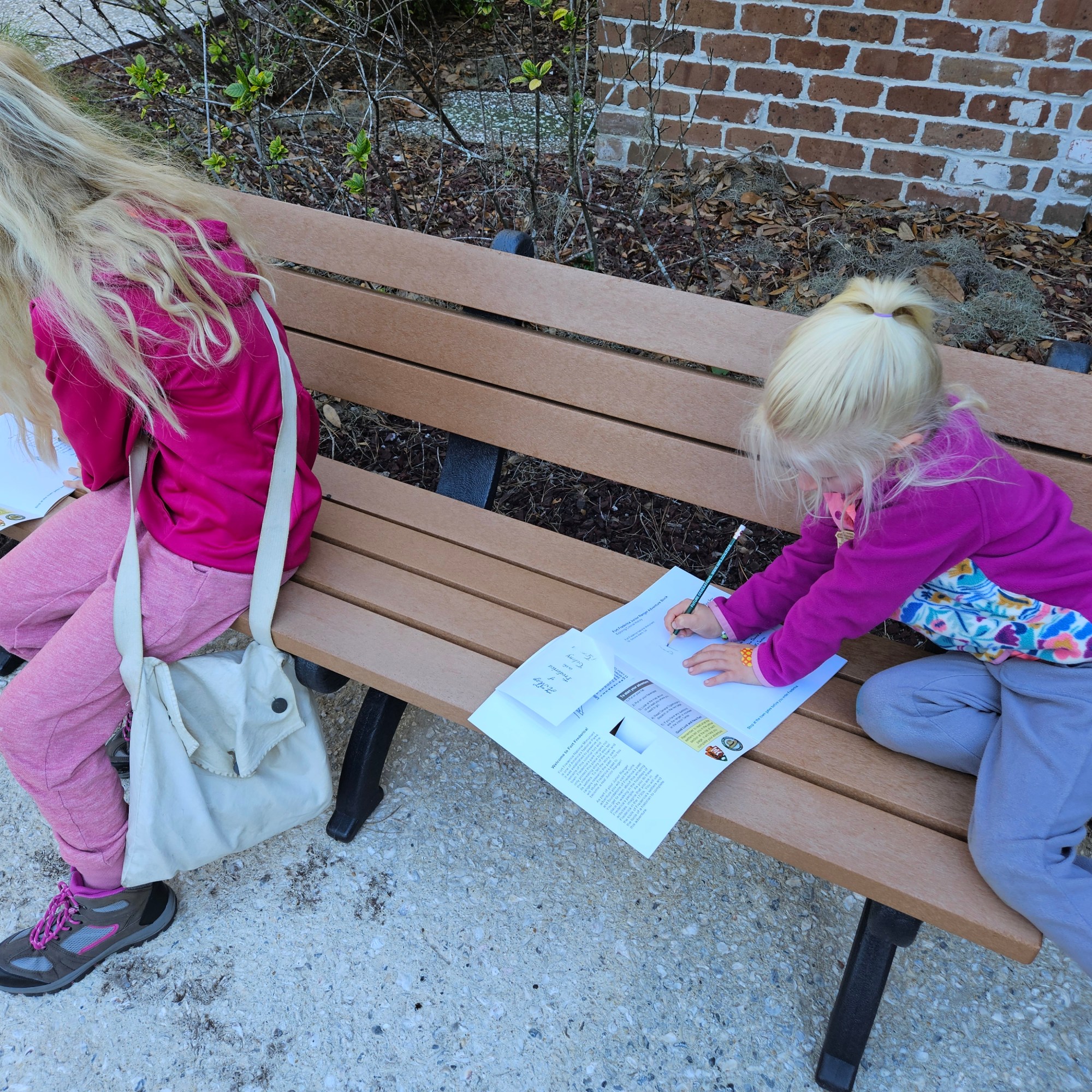
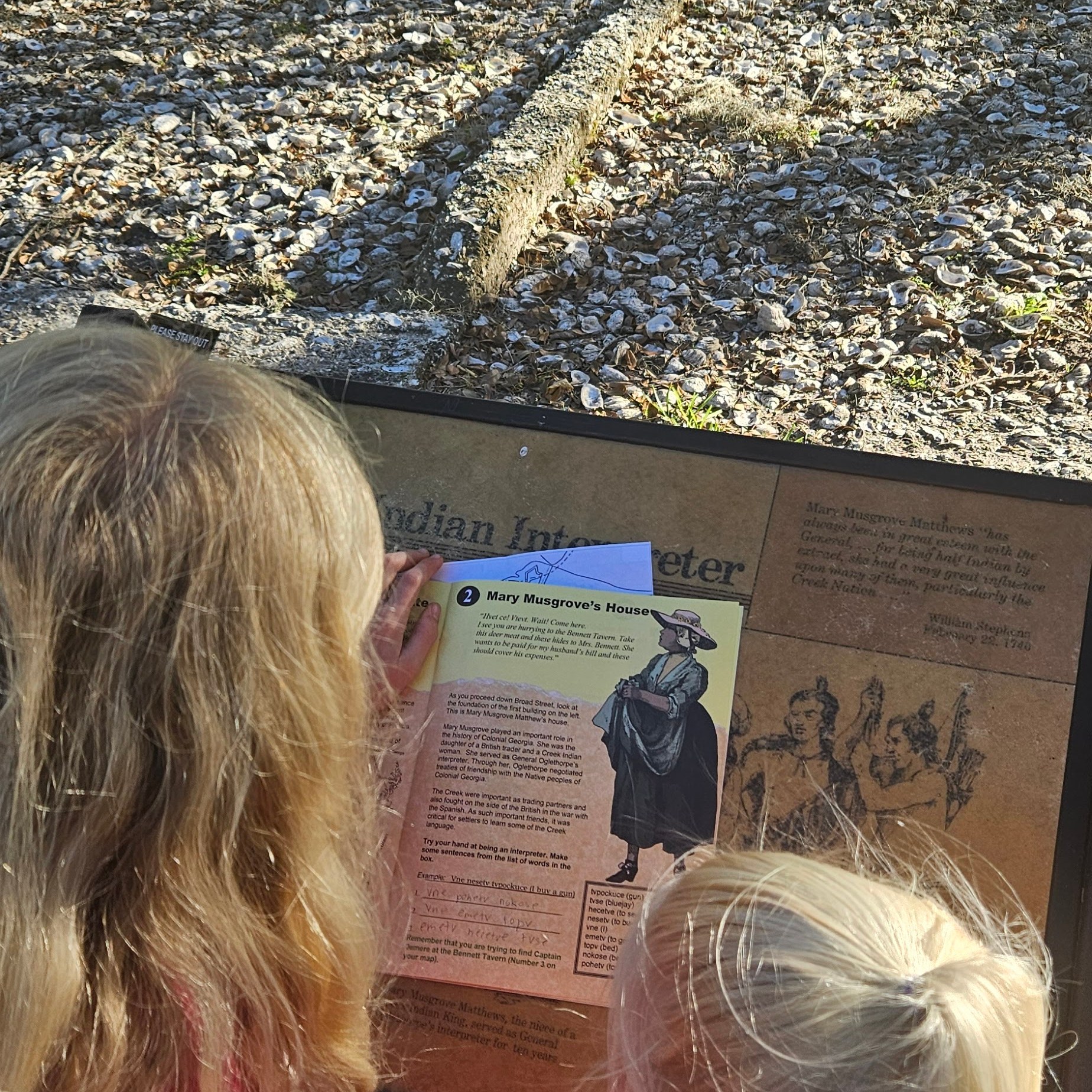
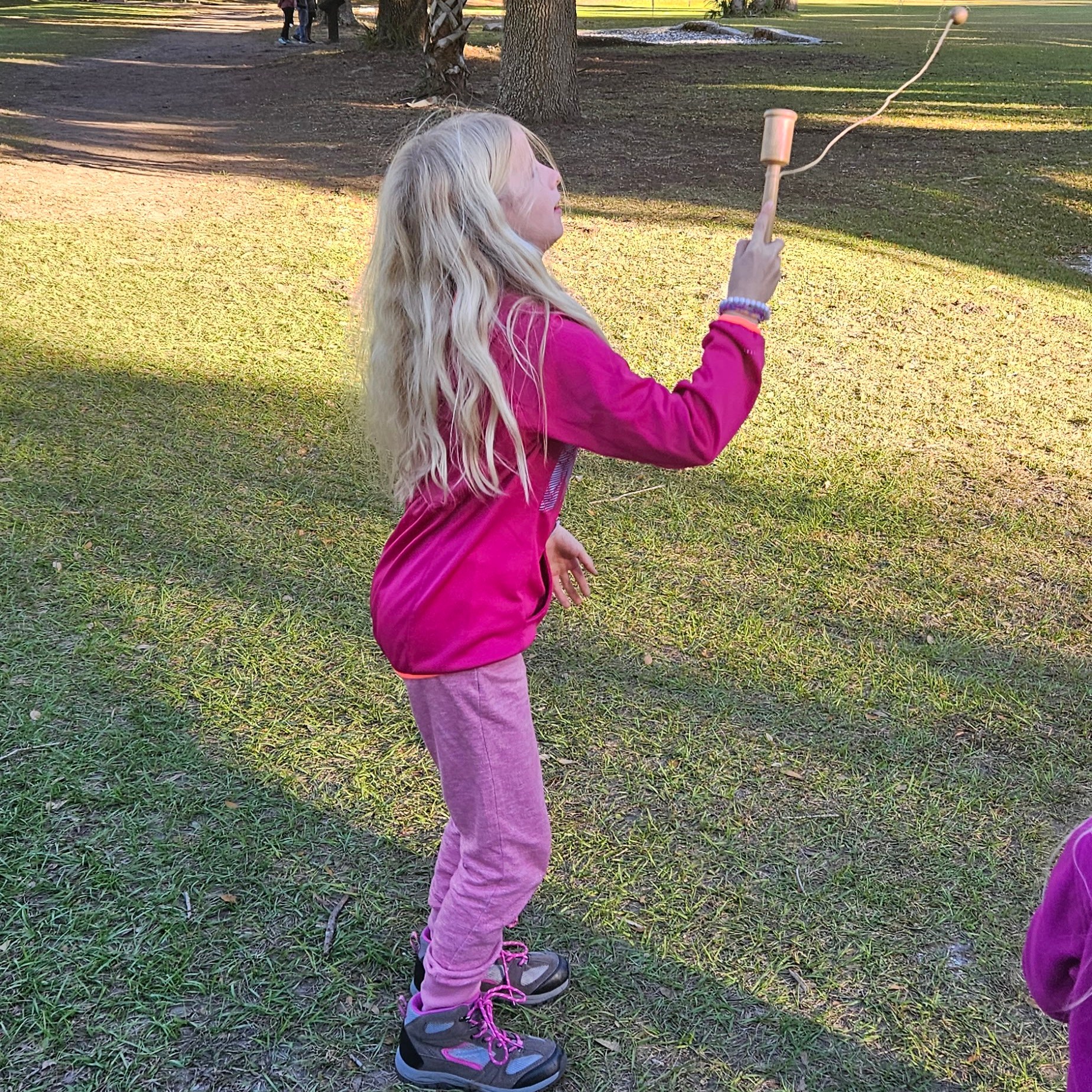
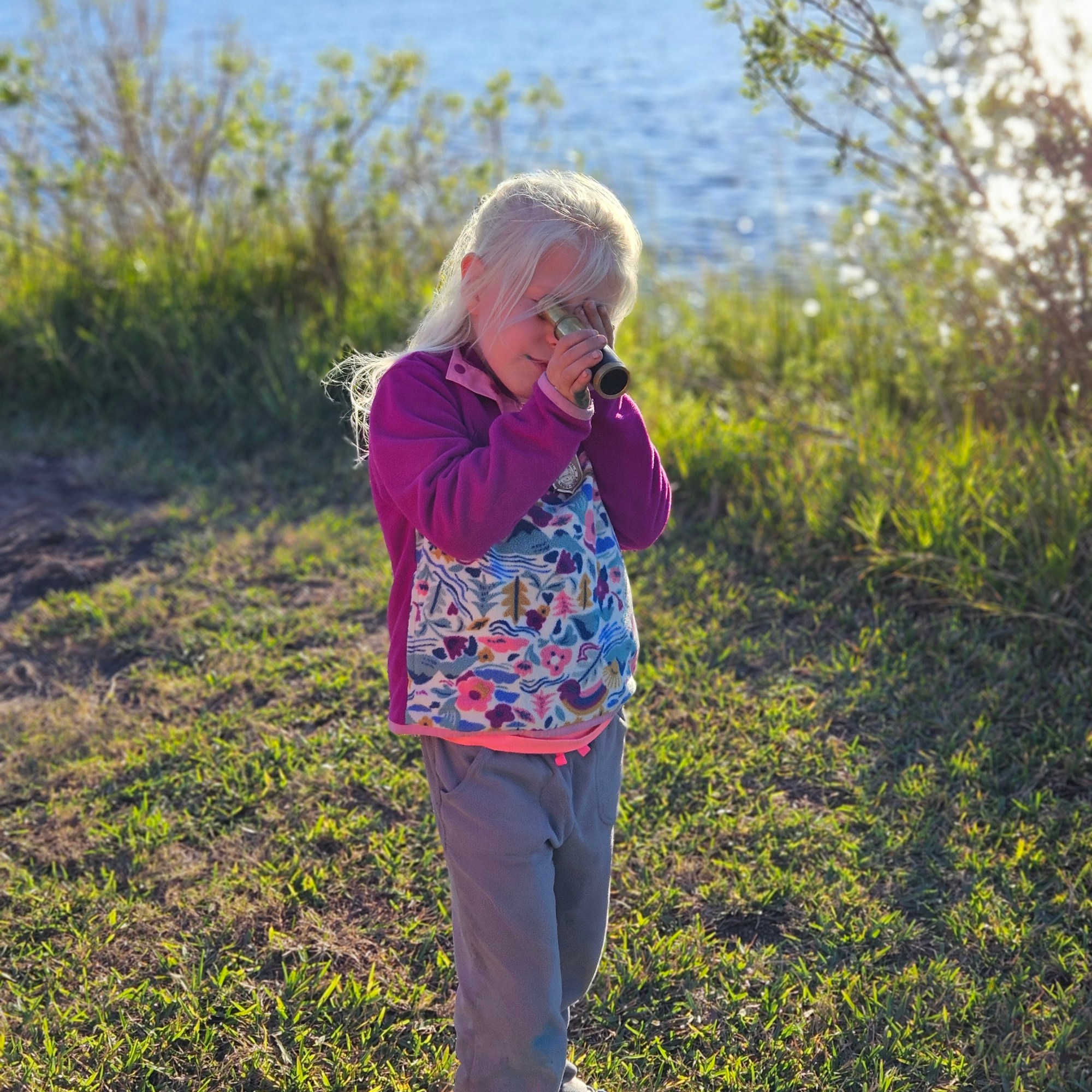
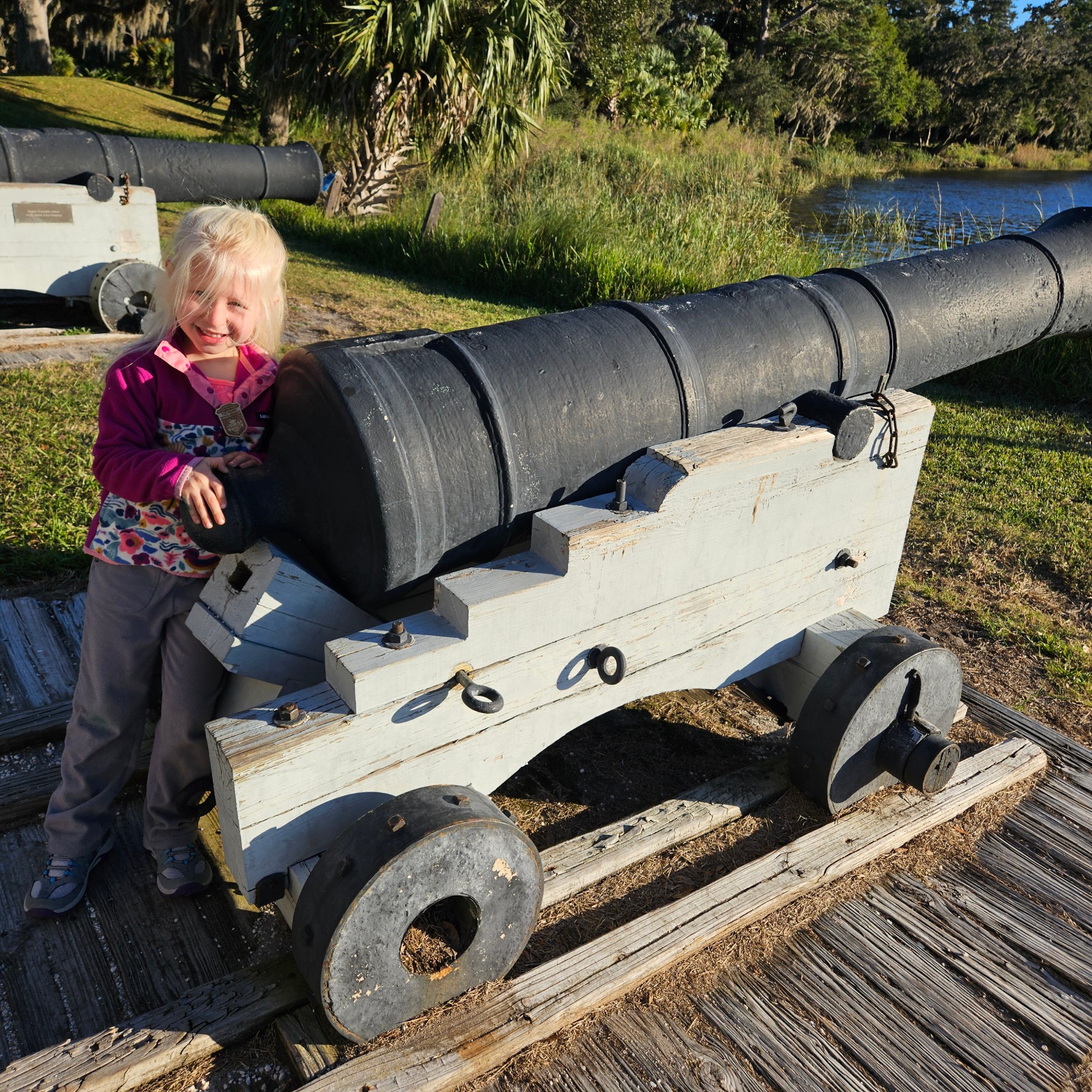
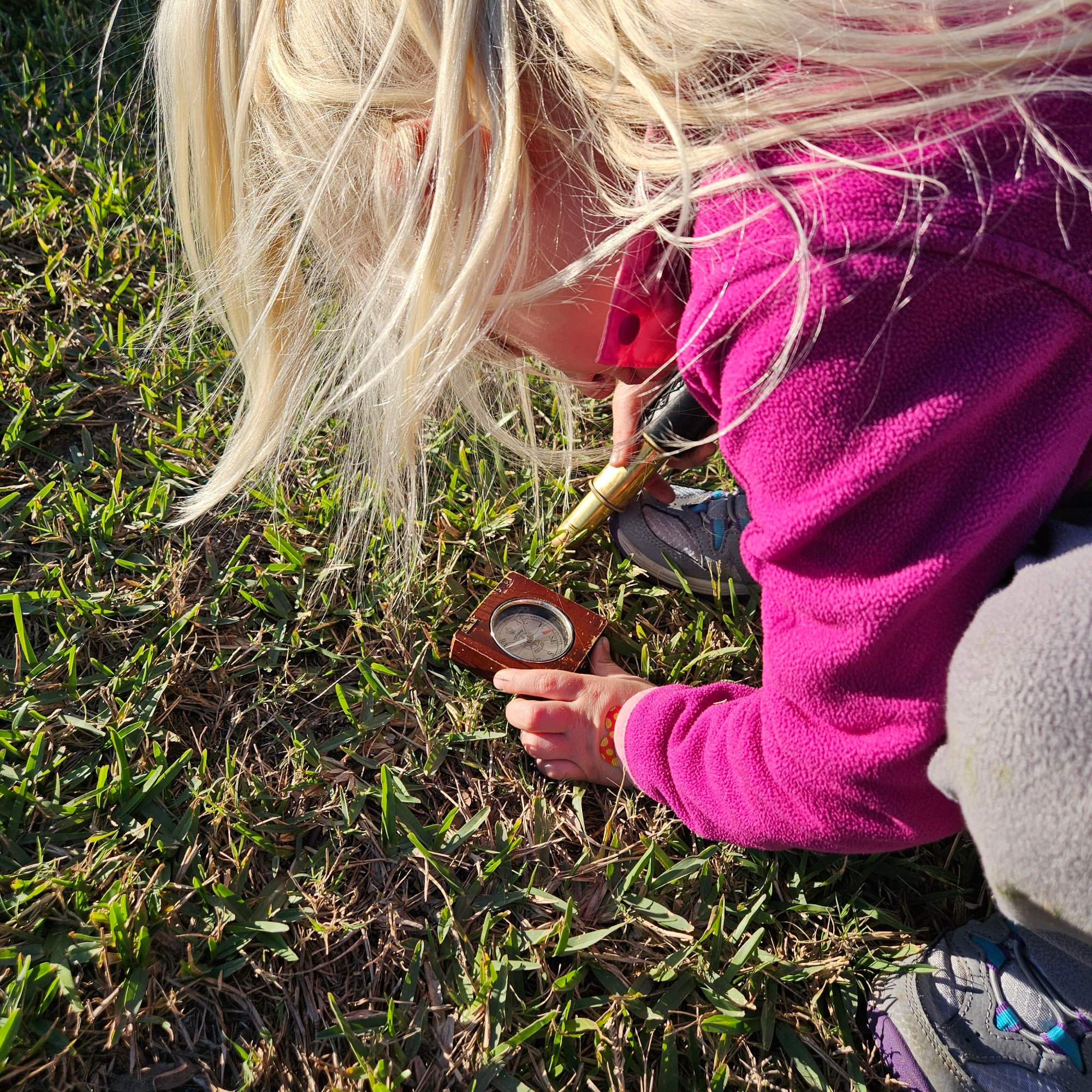
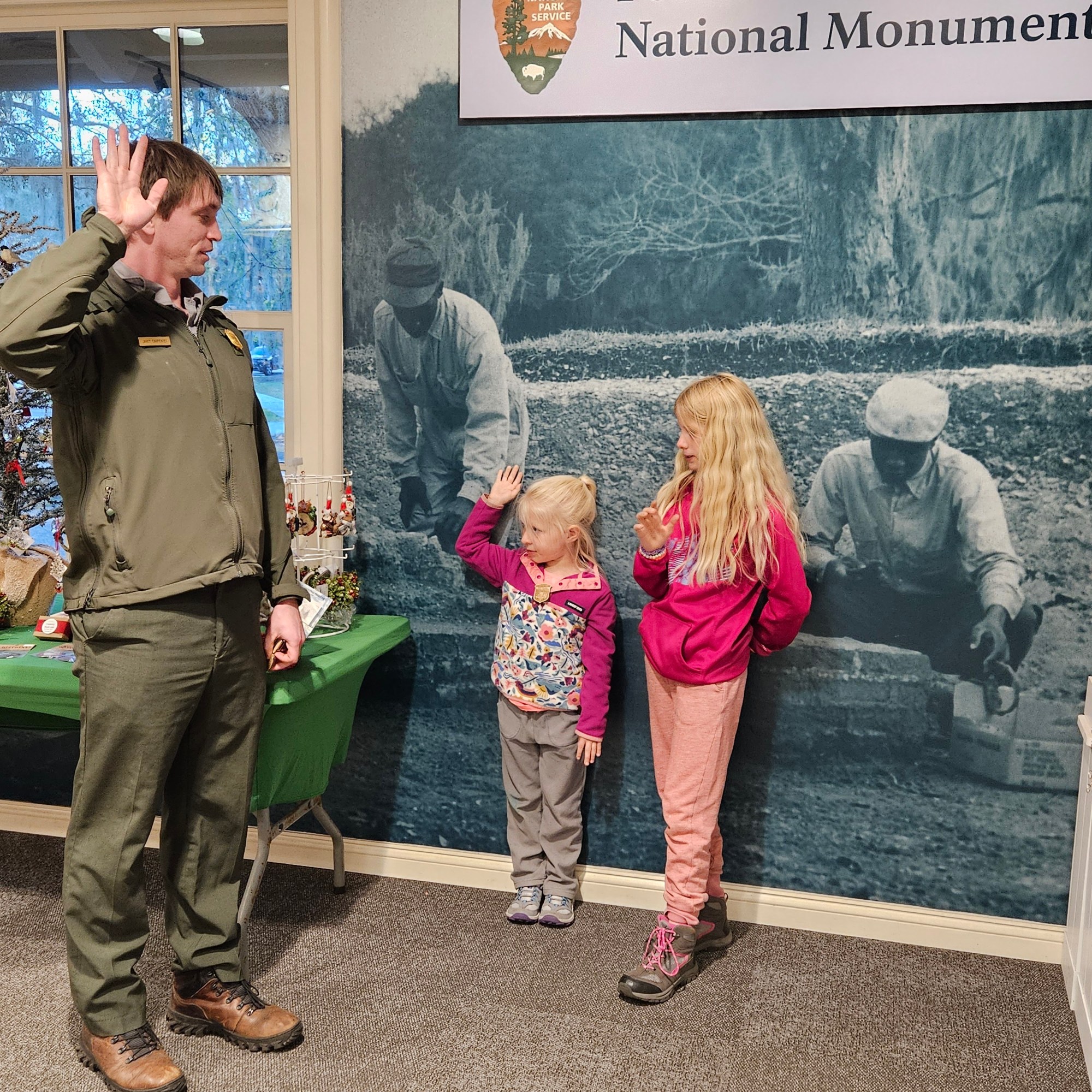
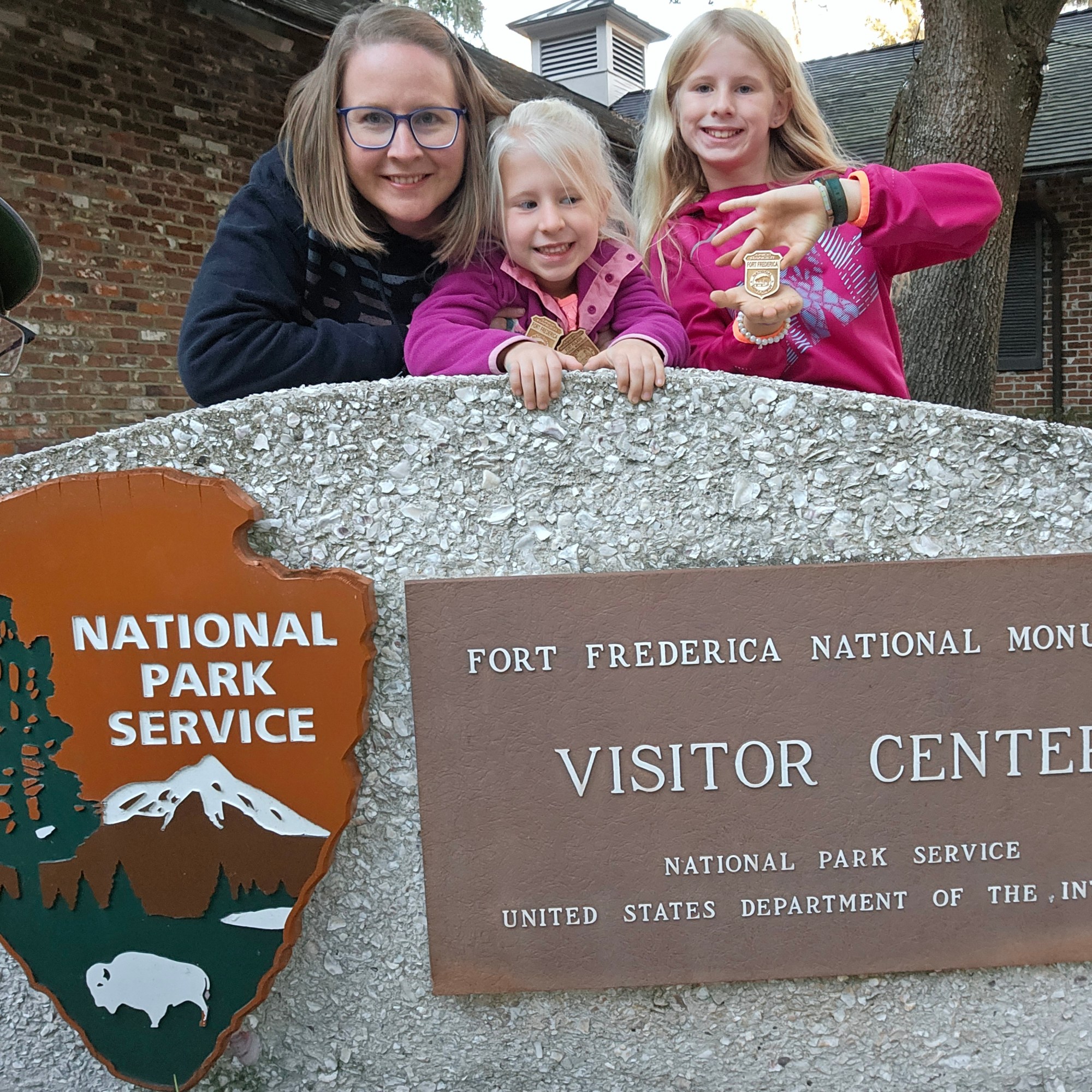
The notable thing about this visit was the Junior Ranger program. Kids are given a ‘haversack’ (i.e. bag) with tools and their booklet. The booklet makes kids feel like their on a quest, visiting various sites from the old town and doing tasks related to that place. So, while at the ruins of the old tavern, they had to imagine what they’d call their own tavern. At the fort, they had to use a compass and a spyglass to ‘look out’ for the Spanish. They also had a ball-in-cup game for kids to try their hand at, which was neat in and of itself; however, the fact that ‘ball-in-cup’ was one of the things in today’s Connections puzzle was quite coincidental.
Honestly, we were all a bit travel weary towards the end of this visit, our stomachs were looking forward to some Chick-Fil-A, and we still had a little bit more to go before getting to our hotel. On our way out, we did see about six deer crossing the road, which was cool. More parks to come! Click below for some more pics, and/or click here for Part 3 of the adventure!
 Beavers in the Park