
The Beavers got back in the park-visiting spirit after another break away, mostly due to a 2.5-week trip we took this summer to Chile. We had intended on visiting several national parks while we were there, but the weather prevented us from visiting any of them. Regardless, we had a great visit.
Teagan is now in fourth grade, and one thing her grade does is assign each student a state to research through the year and present before Spring Break. Teagan got Florida, and we decided to take advantage of the proximity to visit during our Thanksgiving Break. (We actually were planning on taking this exact trip last year, but the government was shut down.)
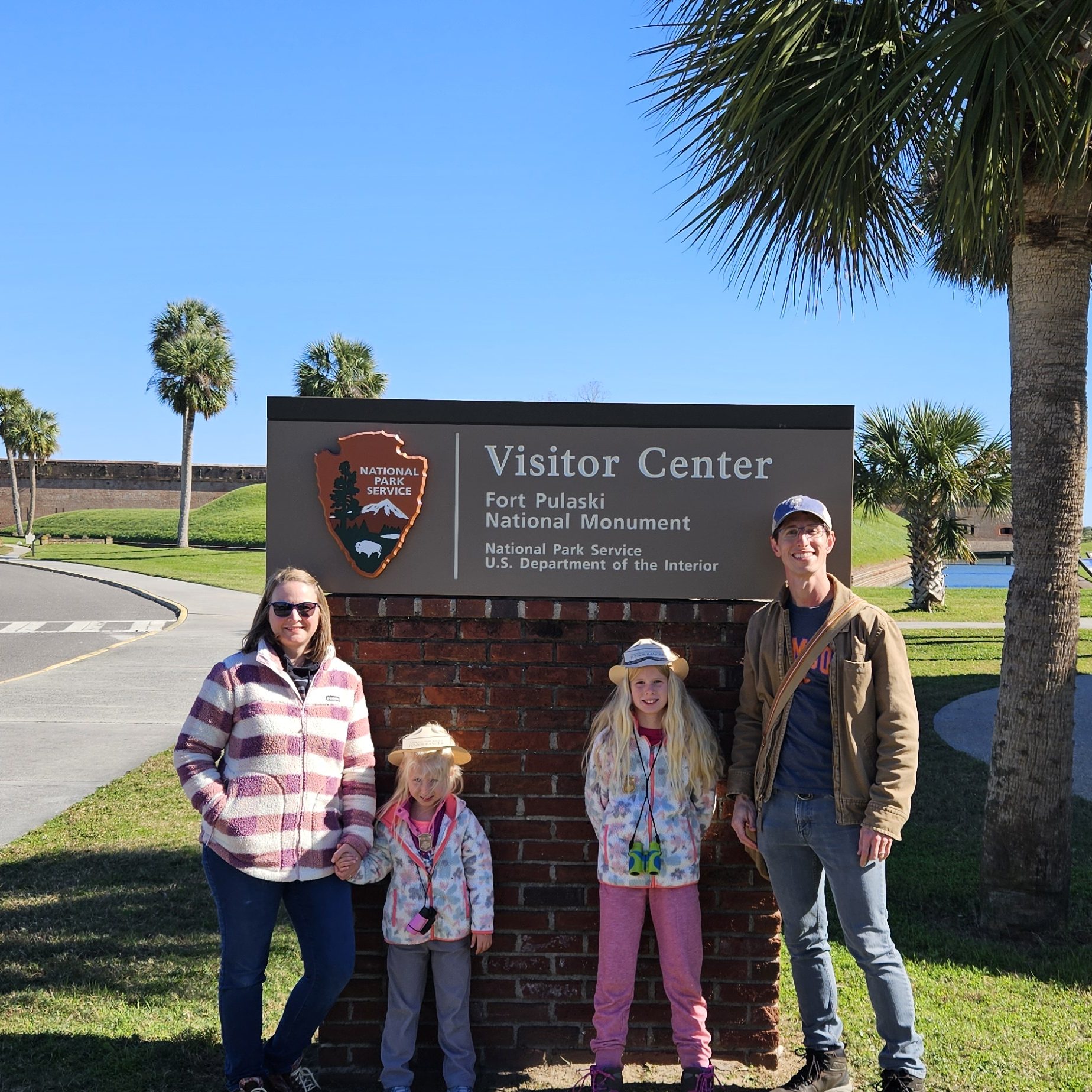
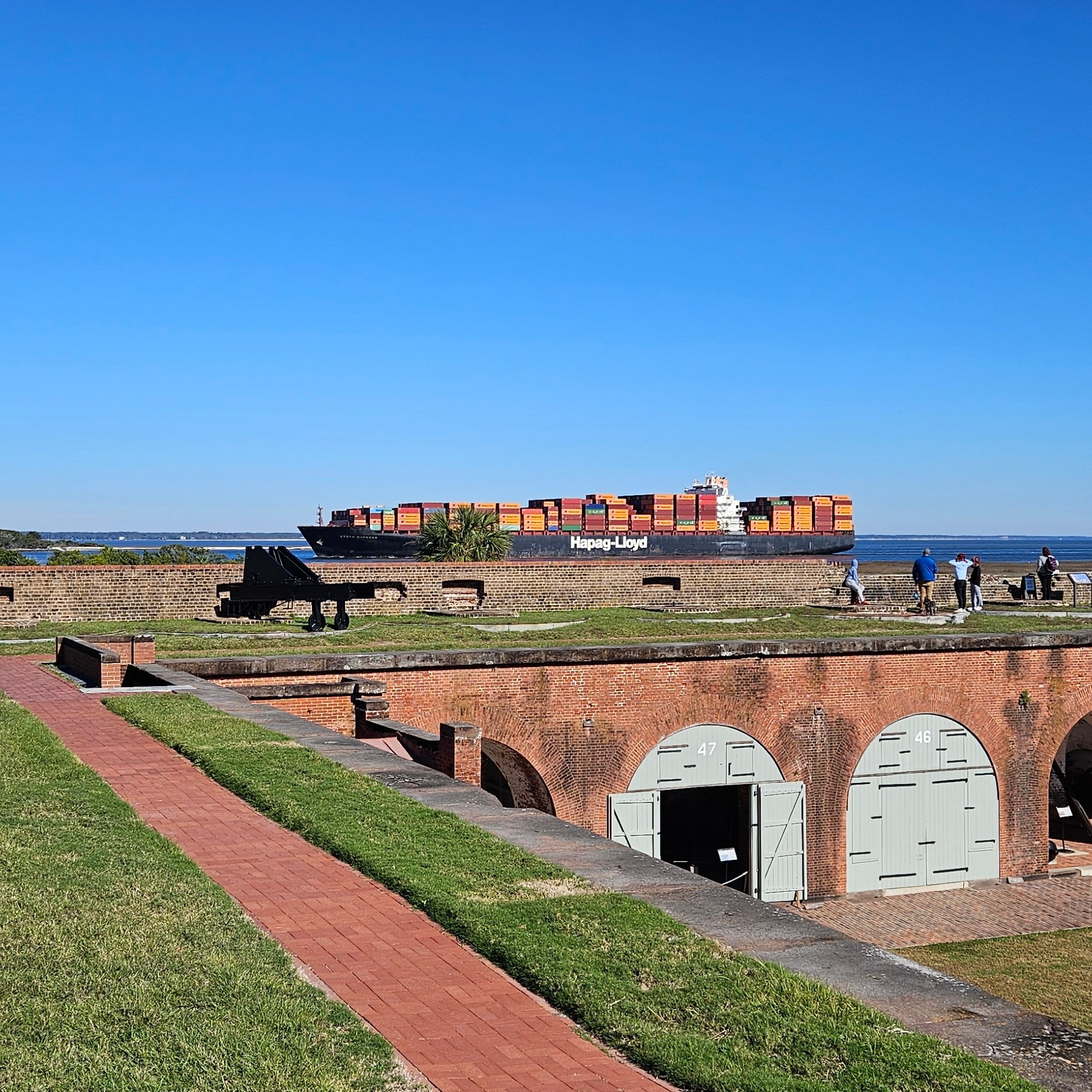
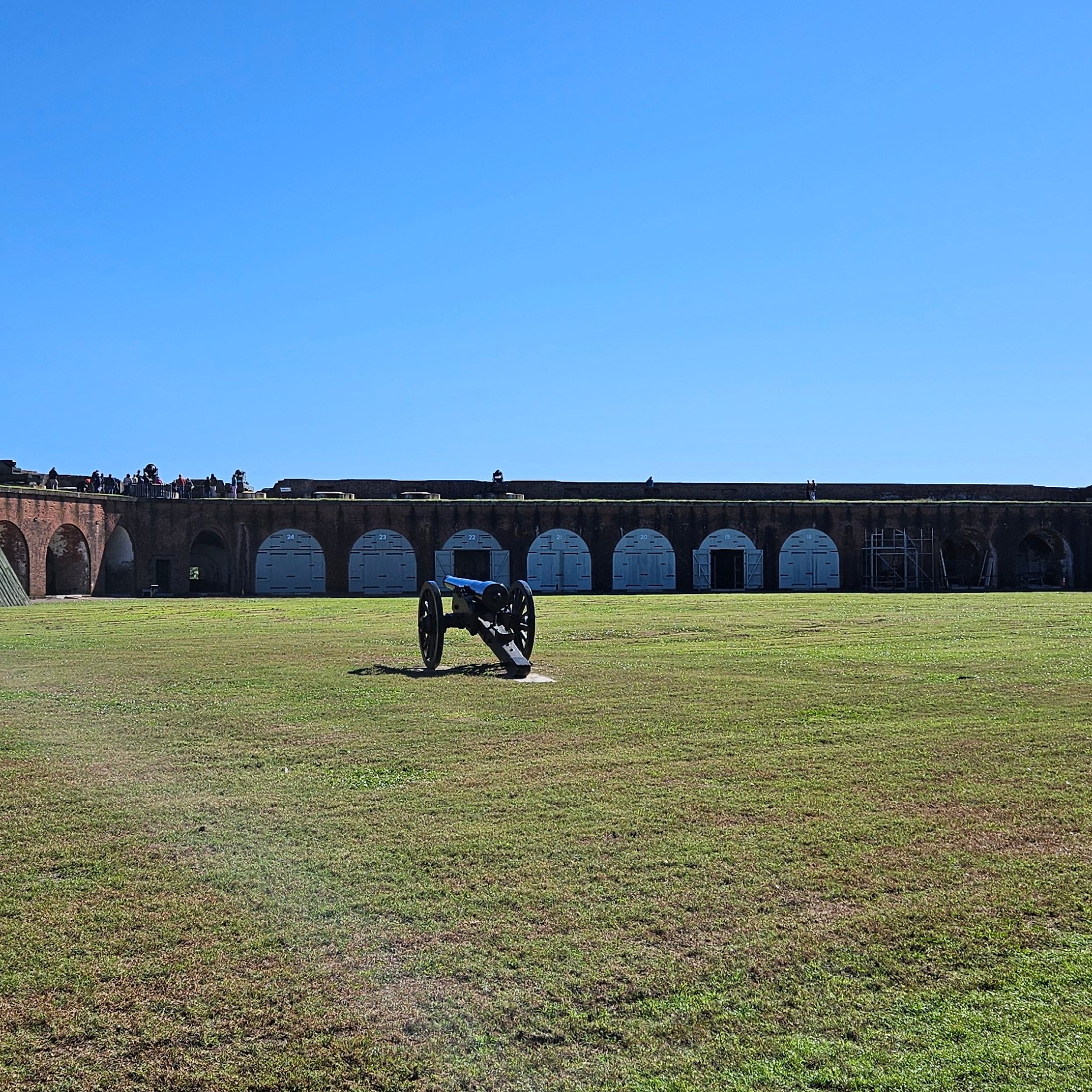
We packed up in Columbia and hit the road. First stop was Fort Pulaski, near Savannah, driving towards Tybee Island. It’s a fort that was built in the early 19th century following the War of 1812. It is named after Casimir Pulaski, a Polish soldier who came and fought for the Americans during the Revolutionary War. (His is the second Polish name I’ve learned about that fought with us in that war. The first was Thaddeus Kosciuszko, whom I learned about at Ninety Six NHS.)
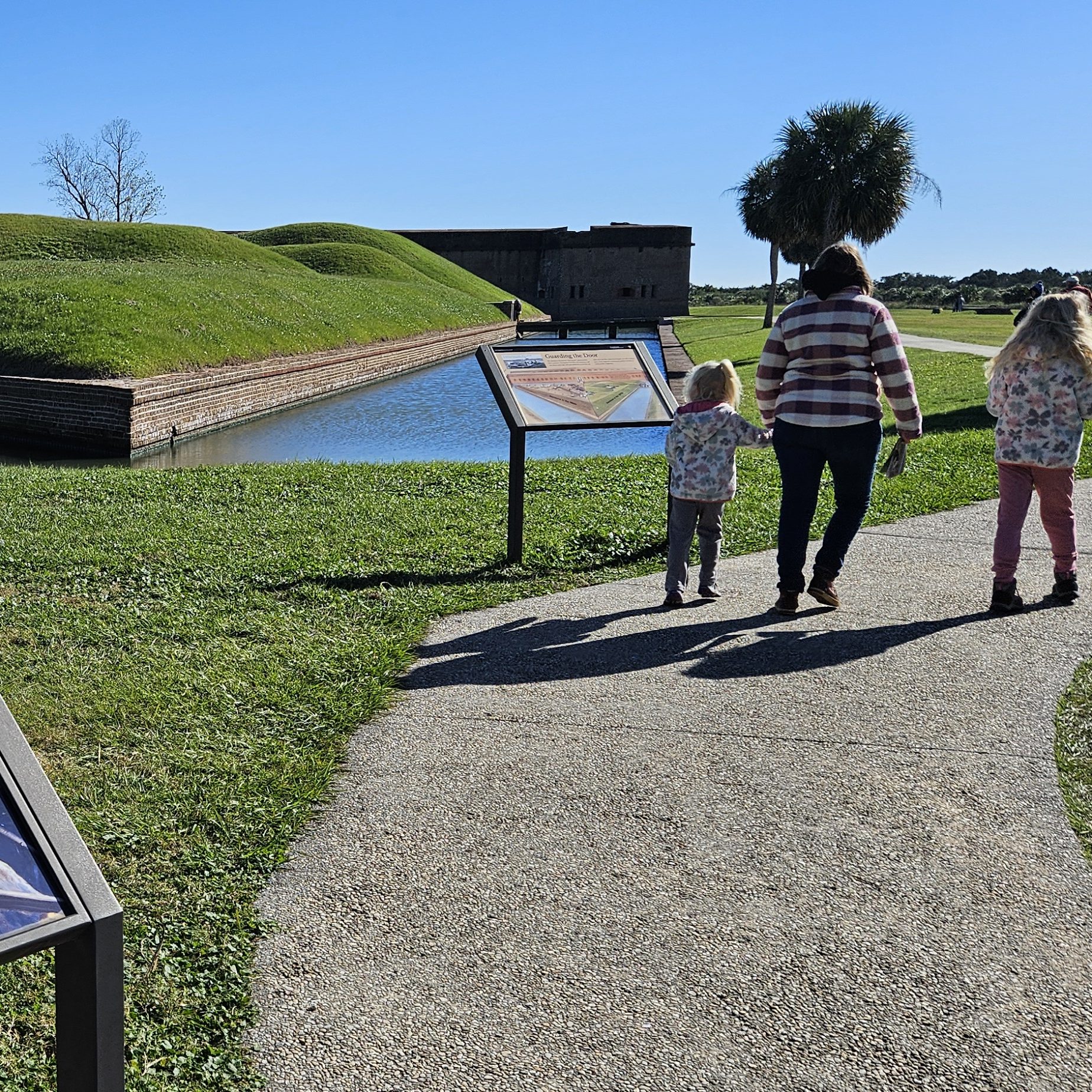
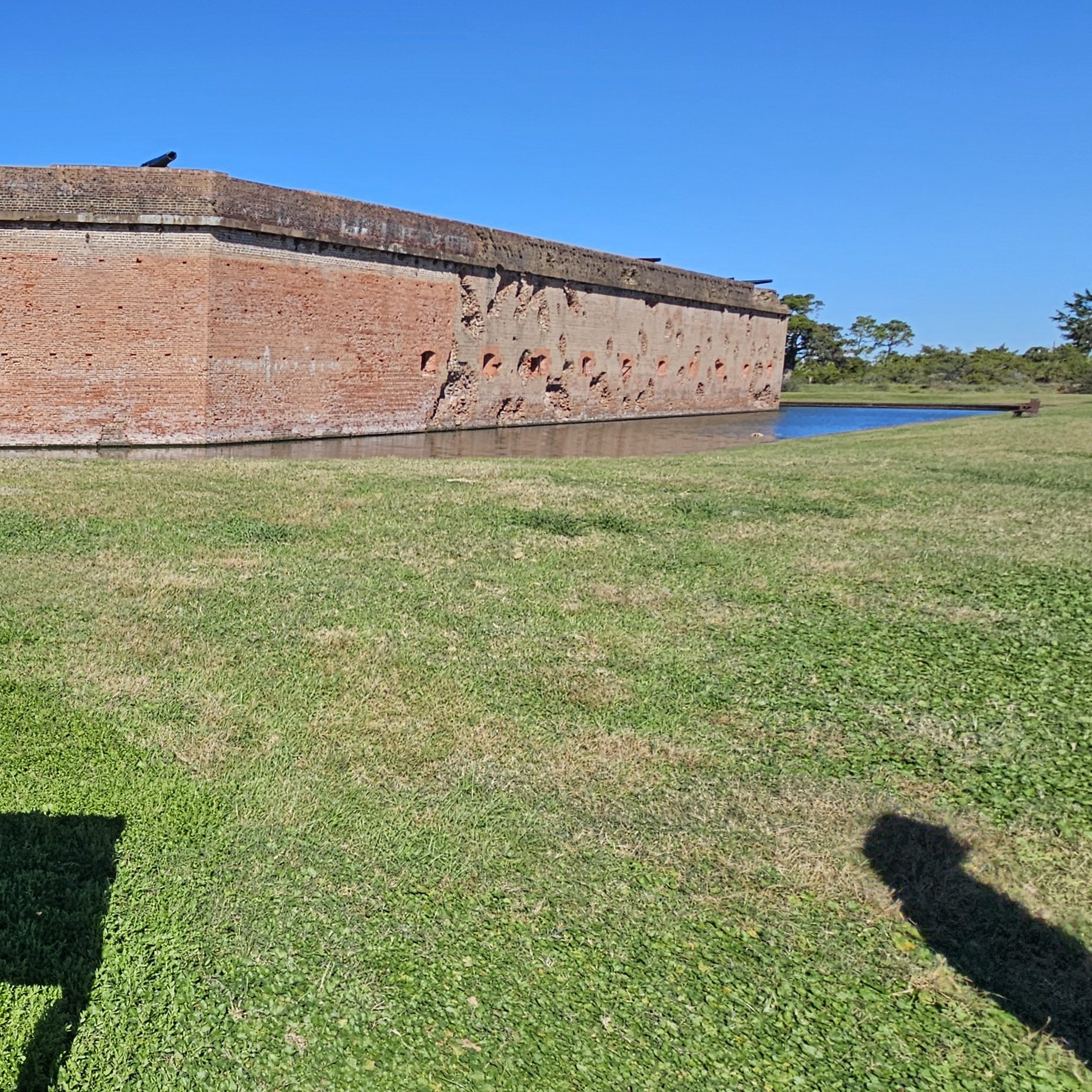
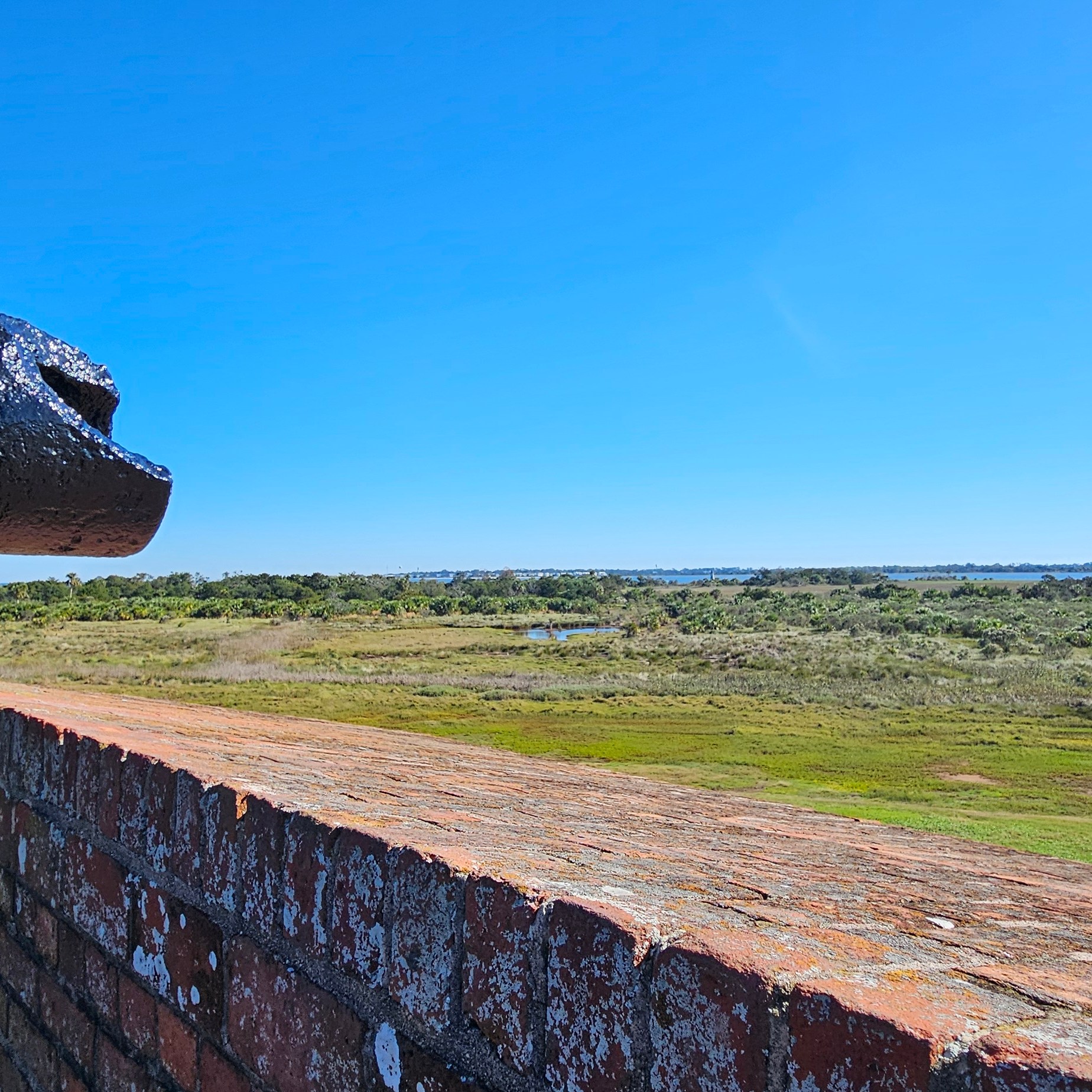
When the Civil War broke out, the Confederates seized the fort. However, in 1862, Union soldiers lined up on neighboring Tybee Island with rifled cannons. Though the Confederates were confident the brick structure would stand, these new types of cannons made light work of the structure. Major Charles Olmstead, fearing that the 40,000 pounds of gunpowder would explode, surrendered the fort to Union soldiers. The Union soldiers worked to fix the fort, and they maintained possession for the duration of the war. (Apparently, the damage inflicted from these cannons caused a shift in thinking about how future forts should be constructed, but I’m fuzzy on those details right now.)
What happened next is similar to a story we learned about at Reconstruction Era NHP. Maj. Gen. David Hunter issued orders in 1862 to emancipate the nearby slaves. These orders were overturned, but the Emancipation Proclamation came a year later. Units of Colored Troops served here, and in an interesting turn of fate, they even guarded over the Confederate soldiers who were imprisoned at the fort during the war.
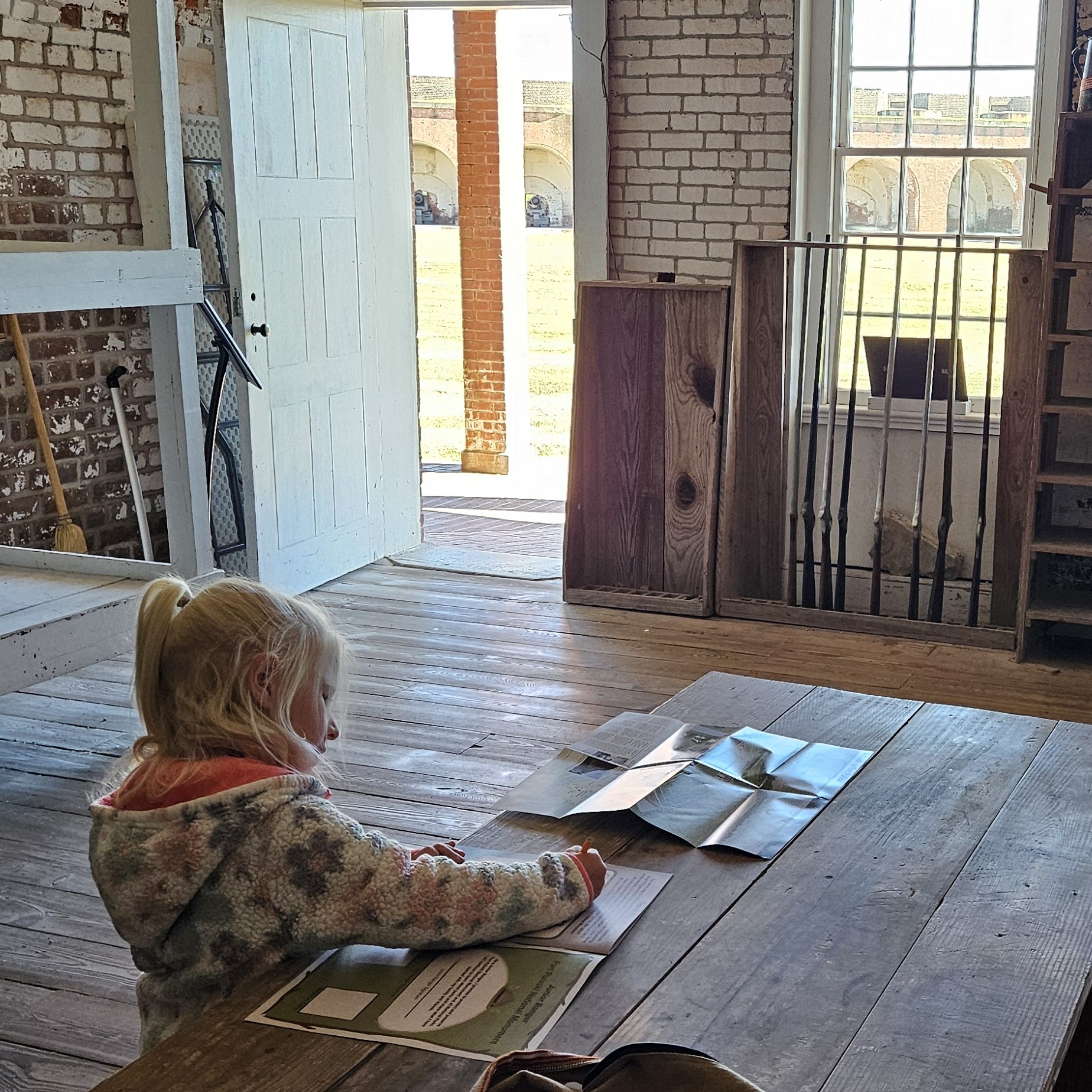
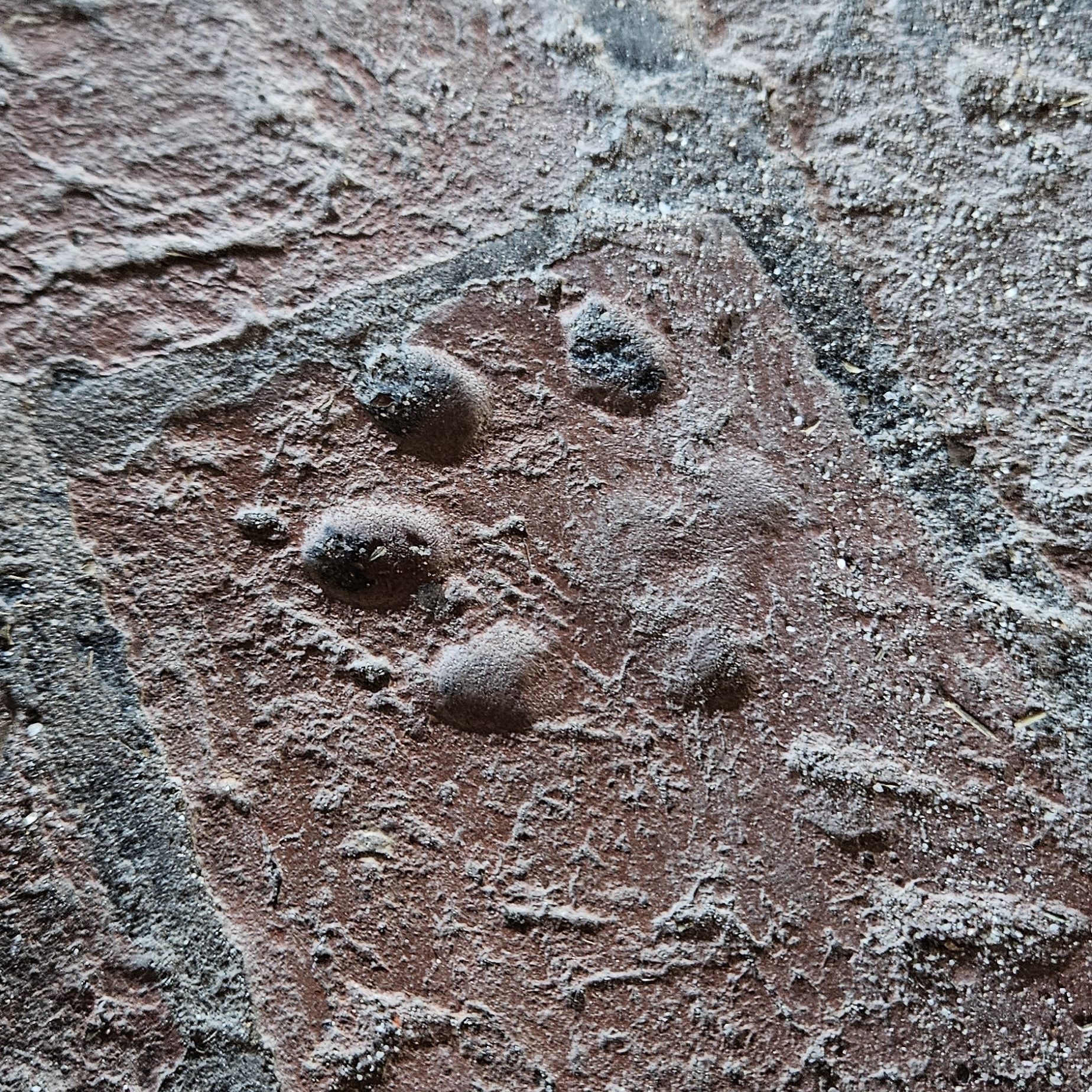
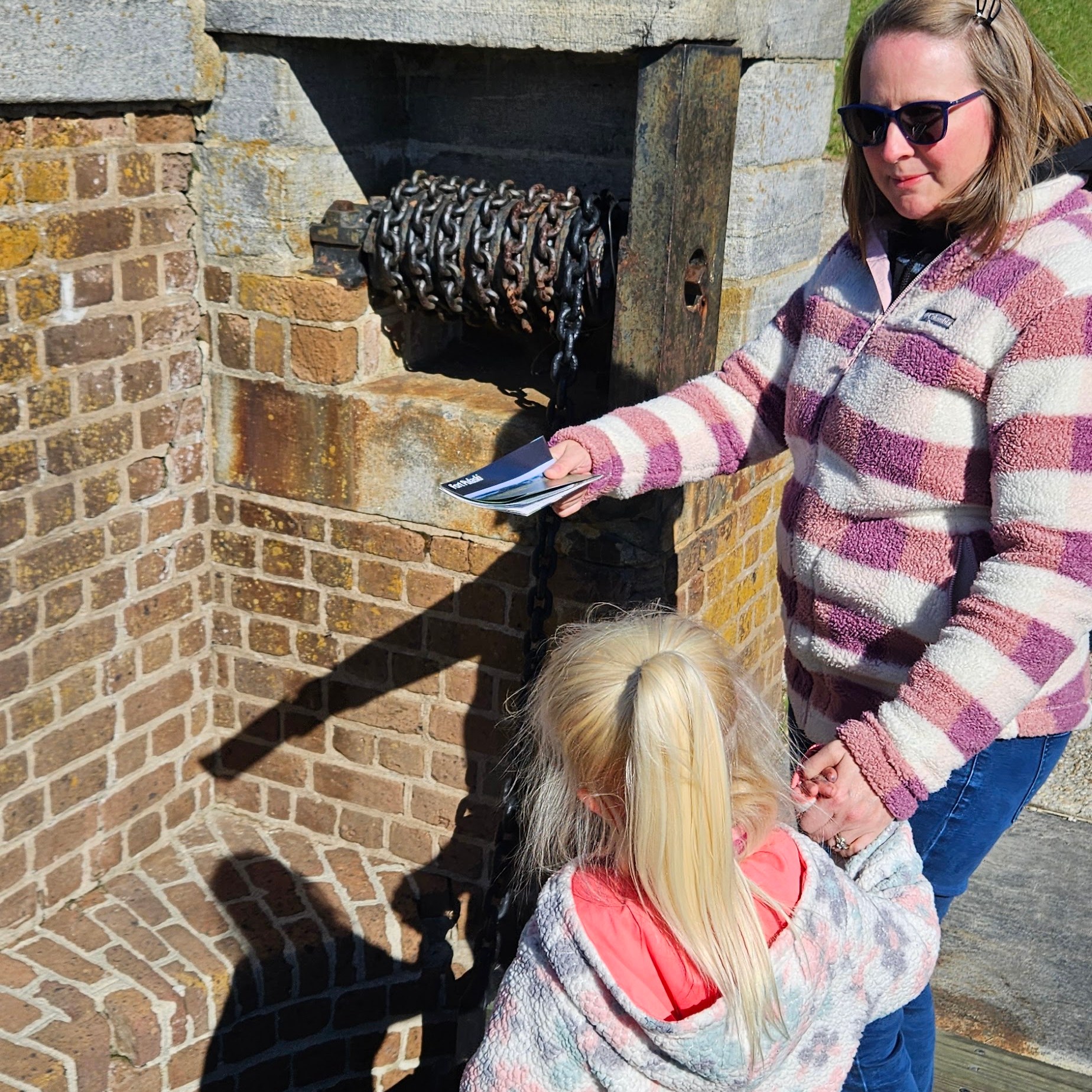
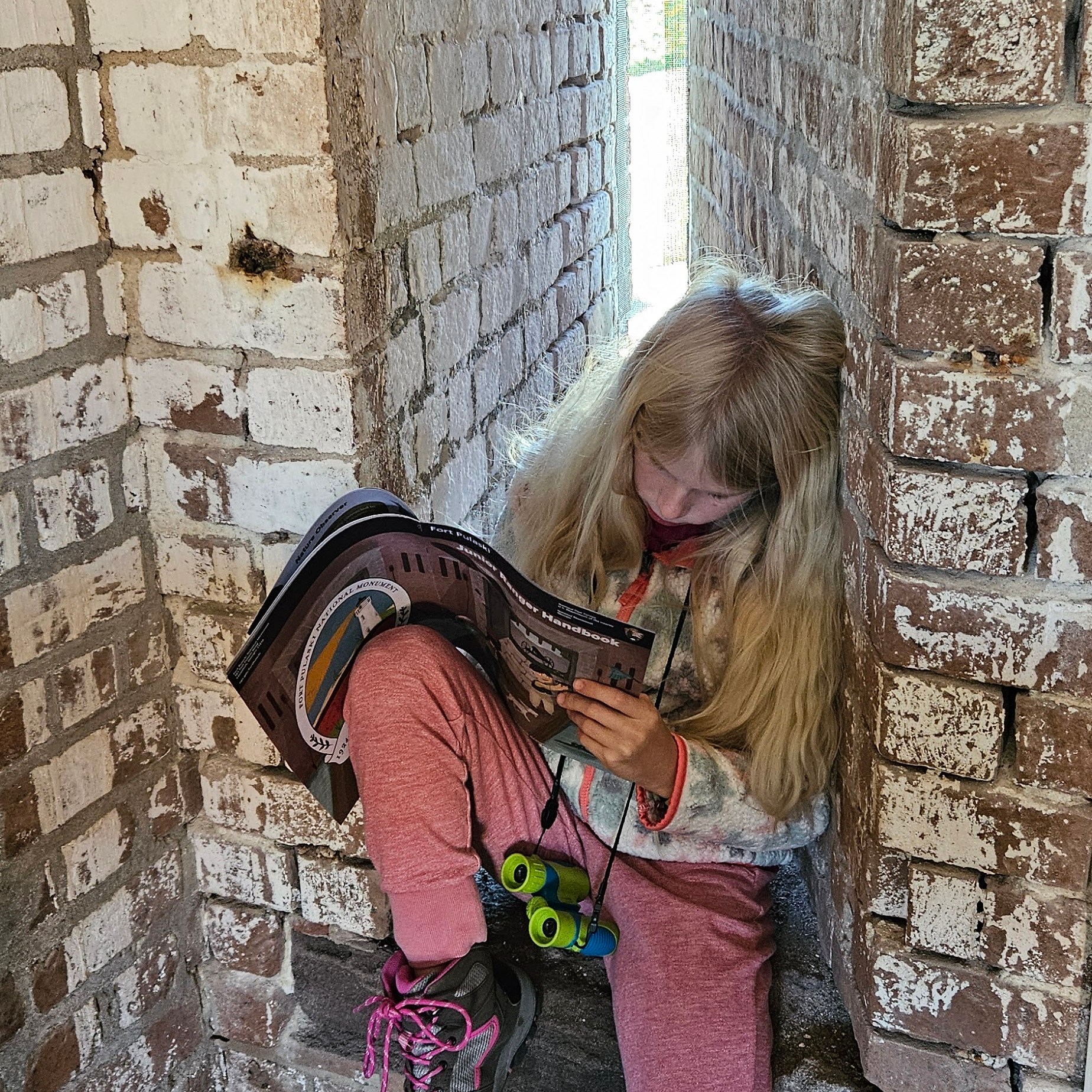
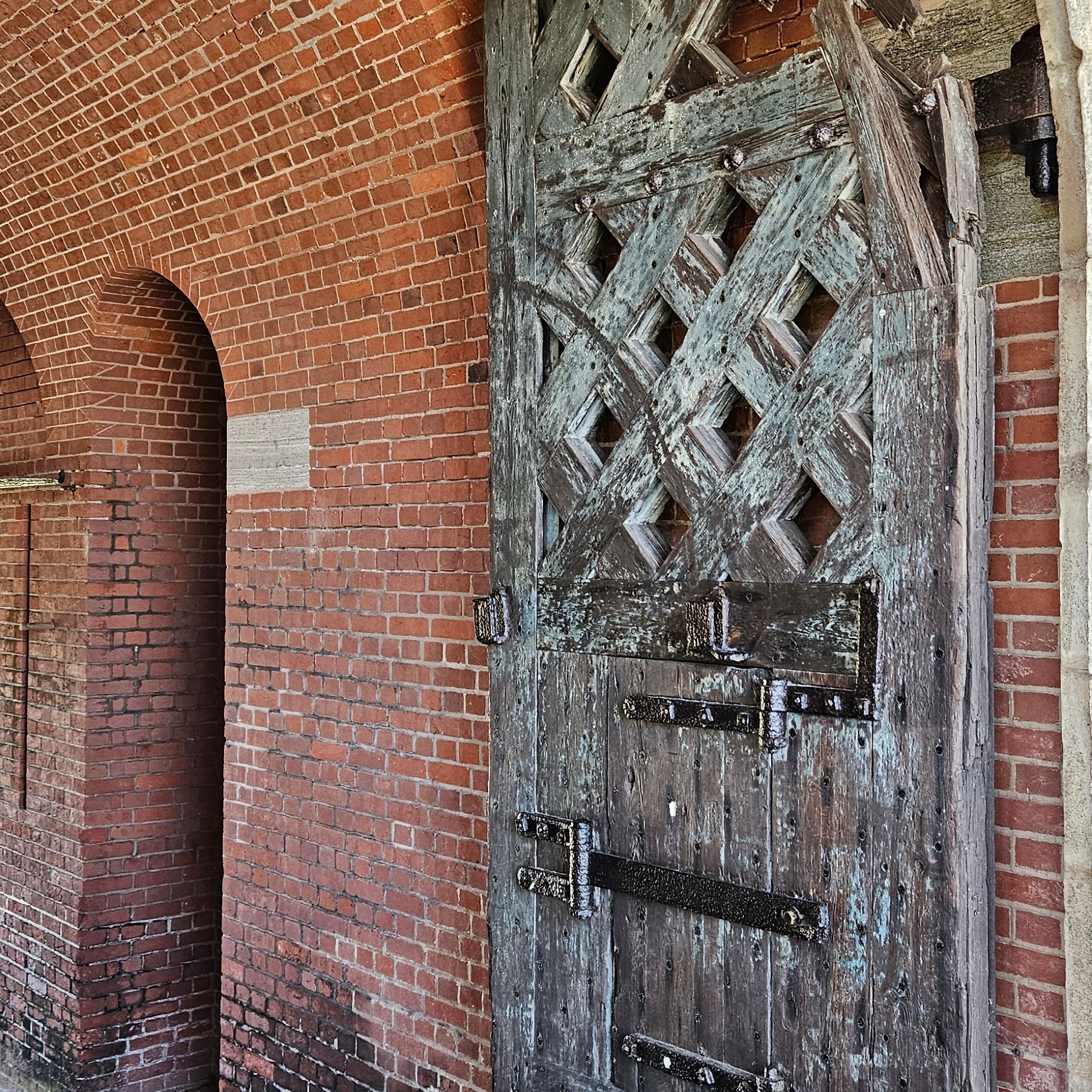
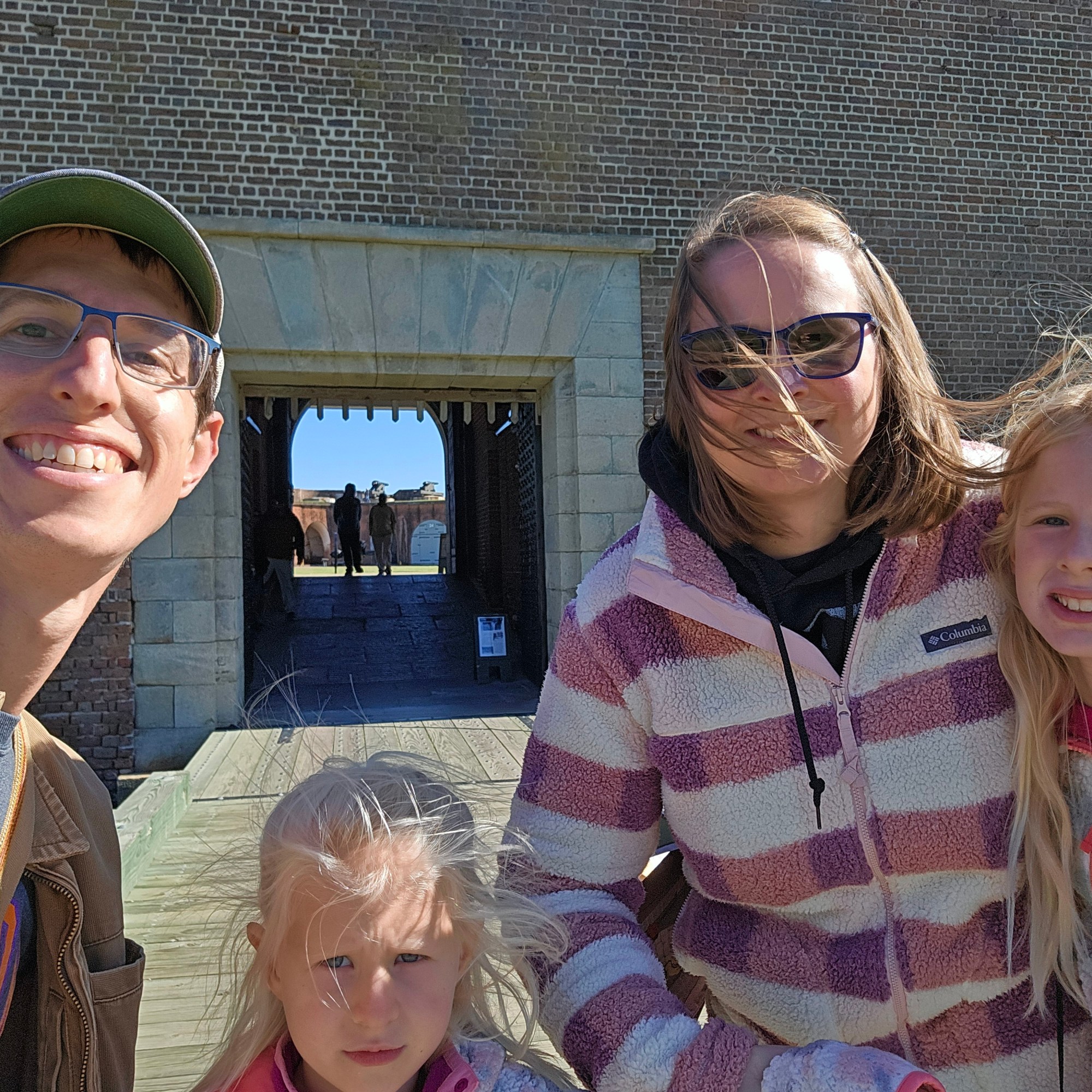
For our visit, we arrived just in time for Tiffany to jump into a guided tour of the fort, led by a gentlemen dressed as a Union soldier. In the meanwhile, I took the girls exploring around the fort as they worked on their Junior Ranger books. Teagan especially loved seeing a dog’s footprint that somehow was preserved in a brick.
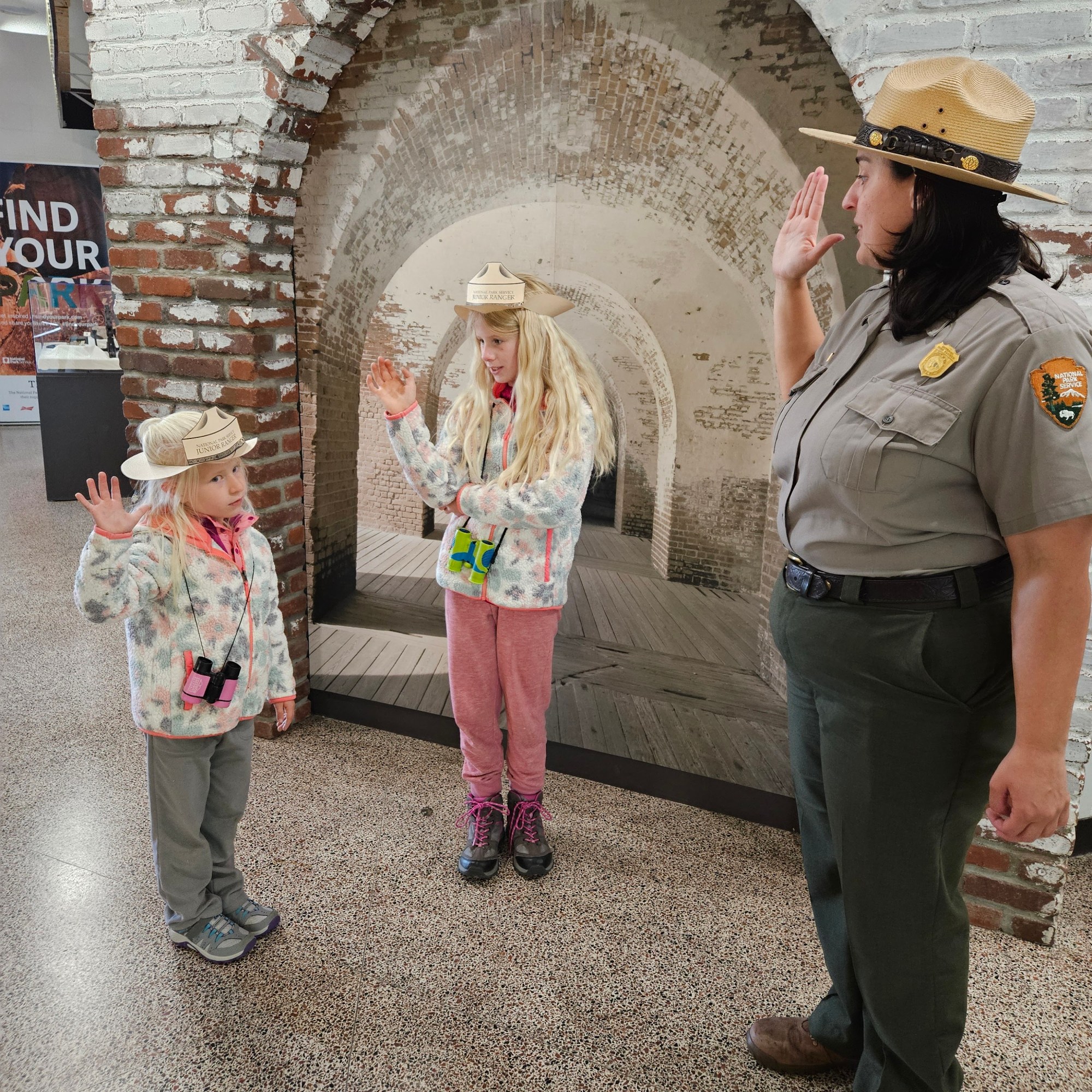
When we hit the visitors center to get the Junior Ranger badges at the end of our visit, the ranger pointed out a nearby bald eagle nest, which was cool to see, though I don’t have any picture to share. I also saw a bald eagle as we kept driving afterward.
We got back in the car, enjoyed a picnic lunch, and headed down the road. Driving through Savannah was great. It’s a city I haven’t spent hardly any time in. The concentration of oak trees draped with Spanish moss was incredible! We landed at Fort Frederica National Monument a couple of hours later.
Click below to see a few more shots from our visit.
 Beavers in the Park