
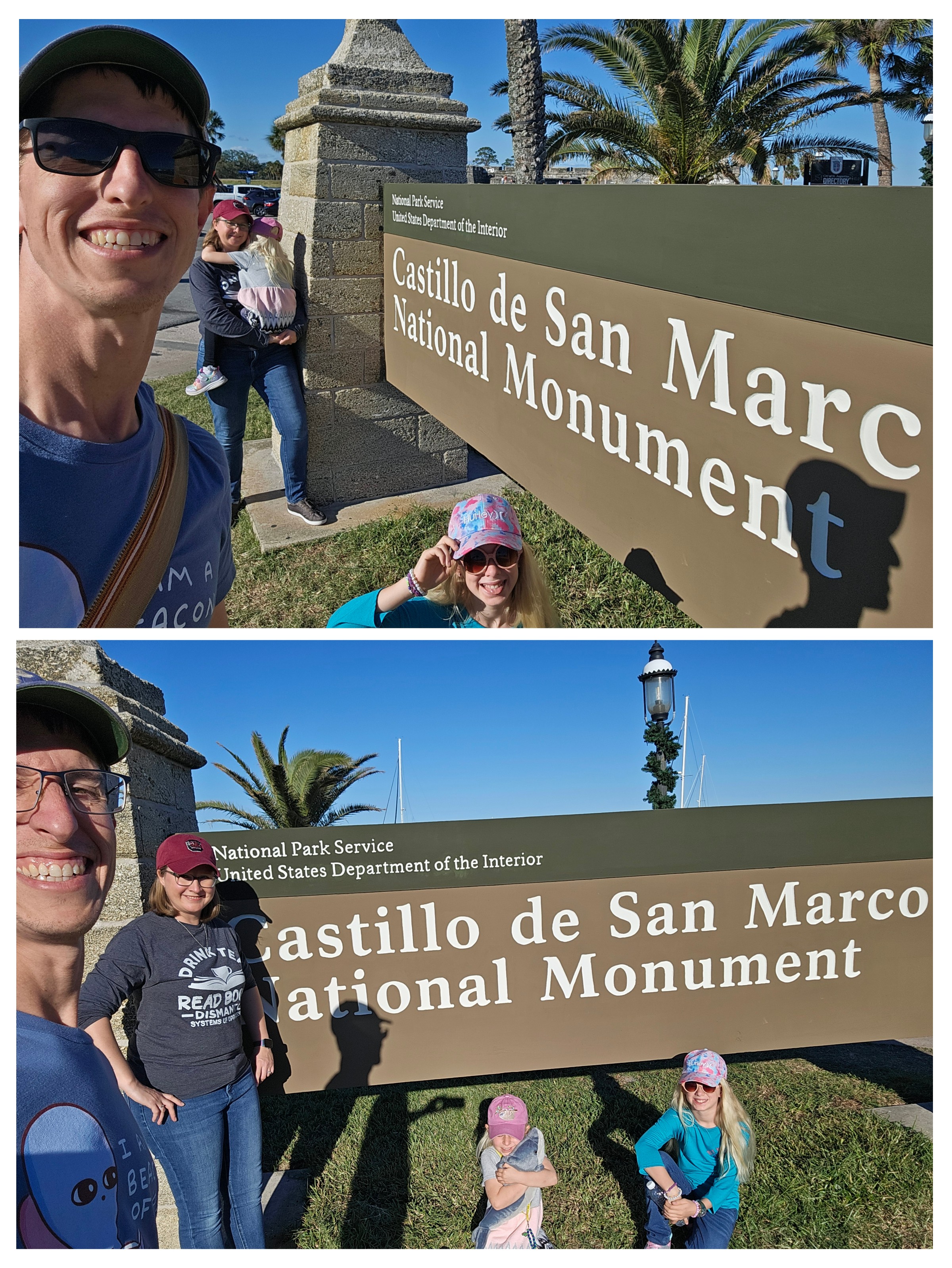
After a brief visit to Fort Matanzas and lunch, the Beavers forged our way through the traffic into the heart of downtown Saint Augustine. After being in more secluded areas, the crowds were a definite change of pace. (I’m personally not a fan.) The ranger at the castillo (Spanish for ‘castle’, but this structure is a fort) said this was the beginning of the holiday rush, that crowds would continue to be high for the next eight weeks, and to not come on the weekends.
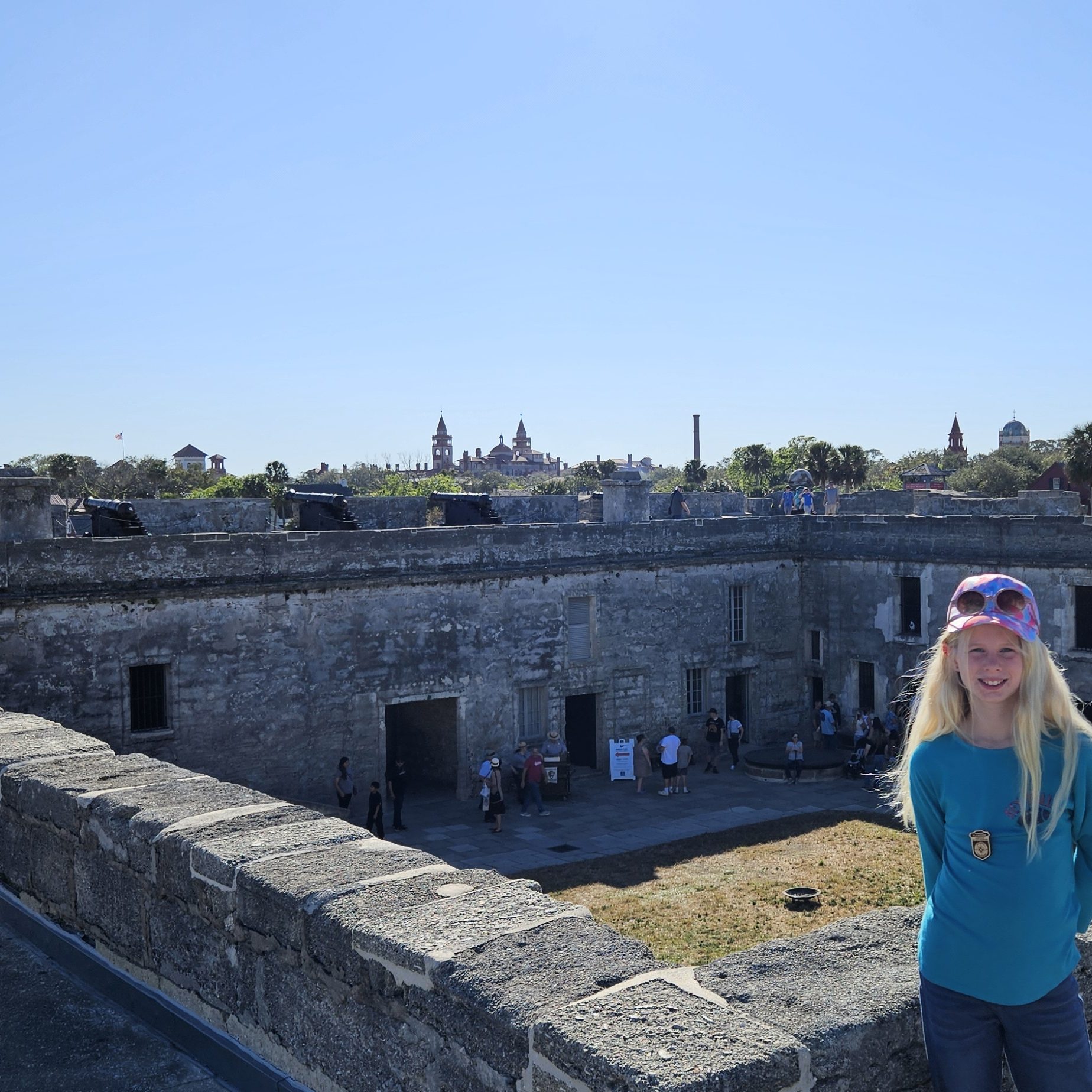
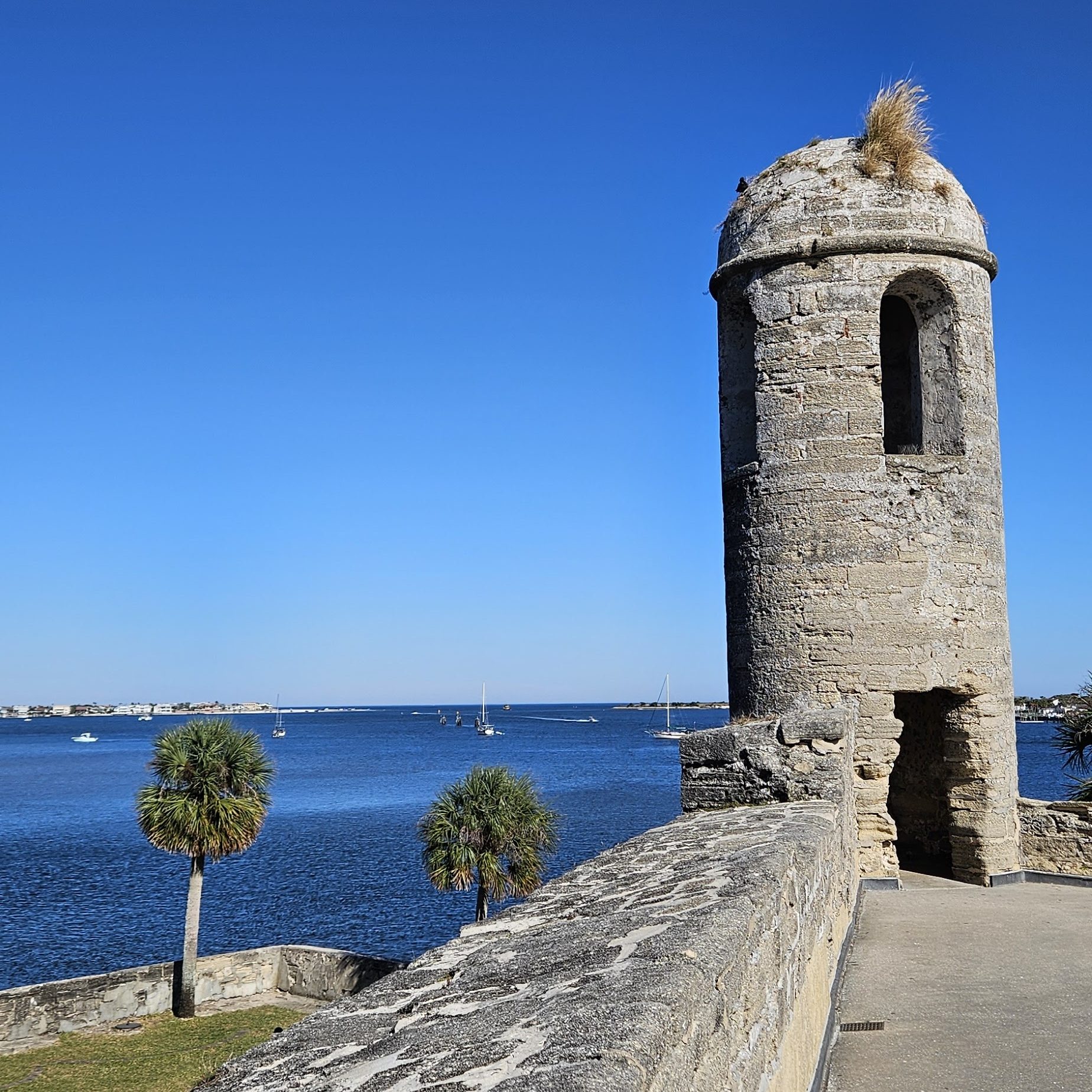
You can’t miss the castillo. Its construction began in 1672. The Spanish had founded St. Augustine over a century prior (and named it as such because they had first sighted land on August 28, which is Augustine’s feast day). For the first 100 years, the Spanish had some wooden fortifications to protect the town, but Spain knew they had to up their game now that the British had an established town. (The British had established Charles Towne just two years before, in 1670.)

They used the locally quarried coquina stone to build the fort, which then withstood challenge after challenge, changing hands from the Spanish, to the British, back to the Spanish, and finally to the US. It stands as the oldest masonry fortification in the US. When the US acquired it, its name was changed to Fort Marion (after Revolutionary War hero Francis Marion, the “Swamp Fox” from SC), and it was still called Fort Marion when it was preserved as a national monument in 1924. The name was reverted to its original Spanish name in 1942. (I have had no luck uncovering why the Spanish called it San Marcos, but the Spanish often named places after various saints, perhaps tied to the date of founding or of what St. Mark might have symbolized to them.)
There is some interesting history here that I need to read more on involving Indigenous incarceration here. When we visited Fort Moultrie, we saw the grave of a Seminole Indian leader named Osceola. He had been incarcerated here at Fort Marion before being transferred up to Charleston. He had resisted the US’s attempts to forcibly relocate the Indians to Oklahoma.
At the site today, there is a lot of interpretation throughout the fort. Teagan loved exploring in the various rooms. (Sage was exhausted and laid down on a bench with Tiffany for a while.) Had I been alone, I would have enjoyed reading more, but that’s not how things go with kids! The views from on top of the fort are great, and it was able to envision looking out and seeing enemy ships through the inlet.
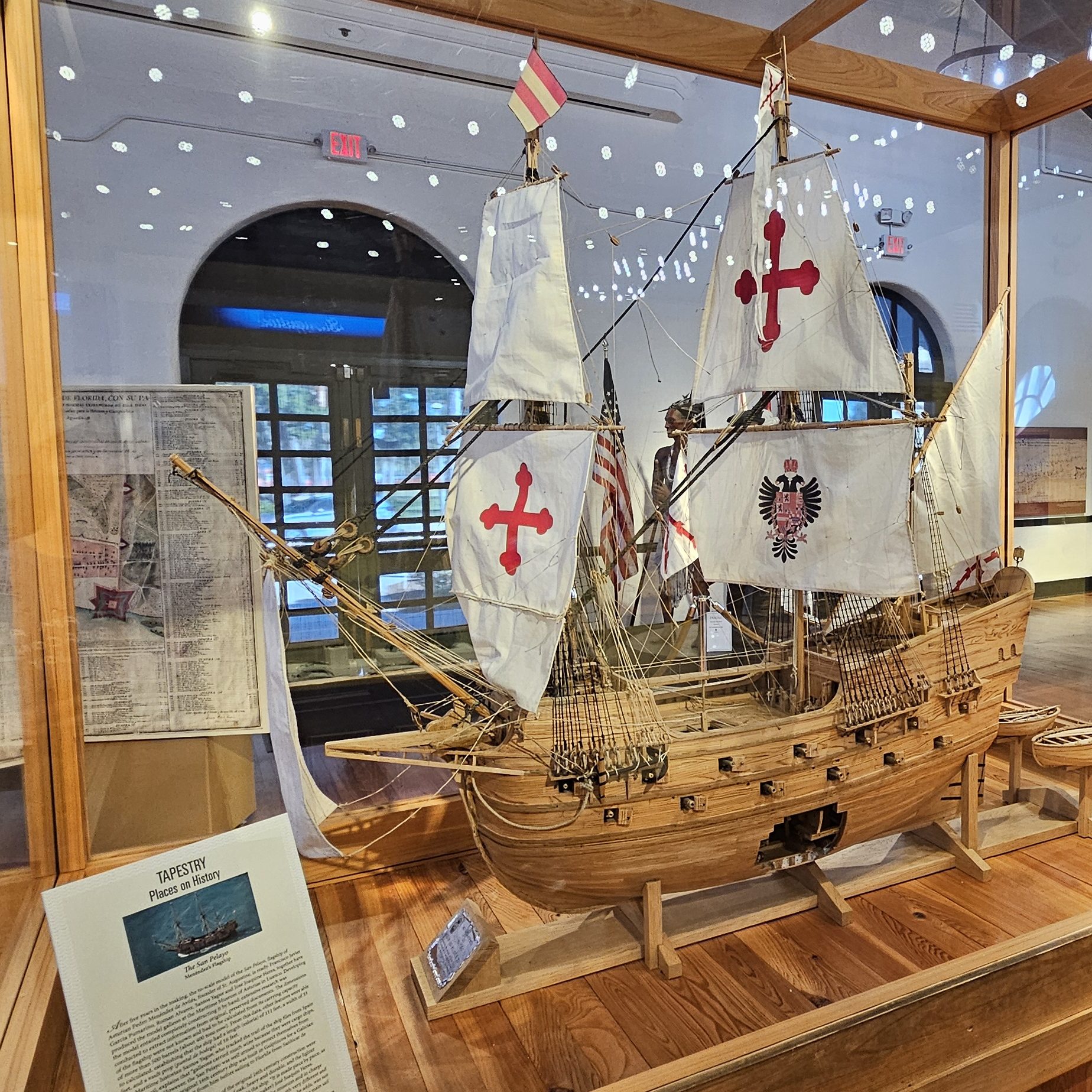
After leaving the fort, we walked a couple of blocks to the St. Augustine Visitor Information Center so that I could see something. From our visit to Santa Elena (another early Spanish settlement, which served as the capital of La Florida for twenty years), I learned that the first governor of La Florida was named Pedro Menéndez de Avilés. Avilés is a city in the region of Asturias in Spain. His ship was called the San Pelayo. The playground in Port Royal, SC (just outside the site of Santa Elena) has a play structure shaped like a ship, which is called the San Pelayo II.
I since learned that a few years ago, in celebration of the 450th anniversary of St. Augustine, the city of Avilés built a model of Menéndez’s ship and gave it to St. Augustine. It was neat to see it in person. The visitors center had a few more artifacts from St. Augustine’s history.
As we left, I had planned on visiting nearby Fort Mose (a Florida State Historic Site), but all the exploring had taken a toll on us, especially Sage. (I’ll spare you the details of the stuffed dolphin that exhausted Sage was begging for. Her mean dad originally said no, but we made an agreement and later went back and got it.)
A brief detail about Fort Mose: It was set up as the first free black settlement in what we now know as the USA. Blacks would escape to Florida, swear allegiance to Spain, and be given the opportunity to live there in exchange for helping to protect Spain. No structure remains now, but it is an important part of history that is worth learning about.
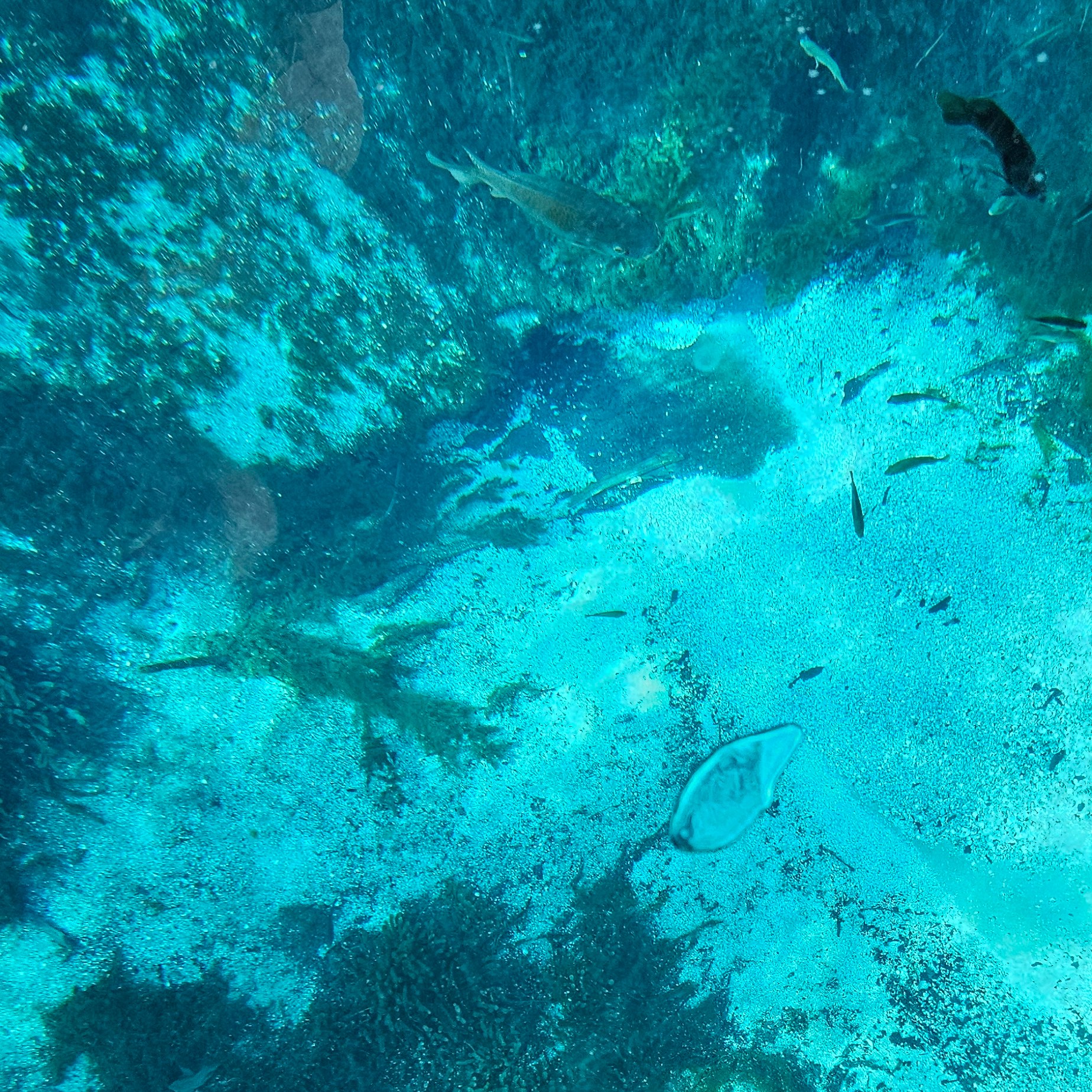
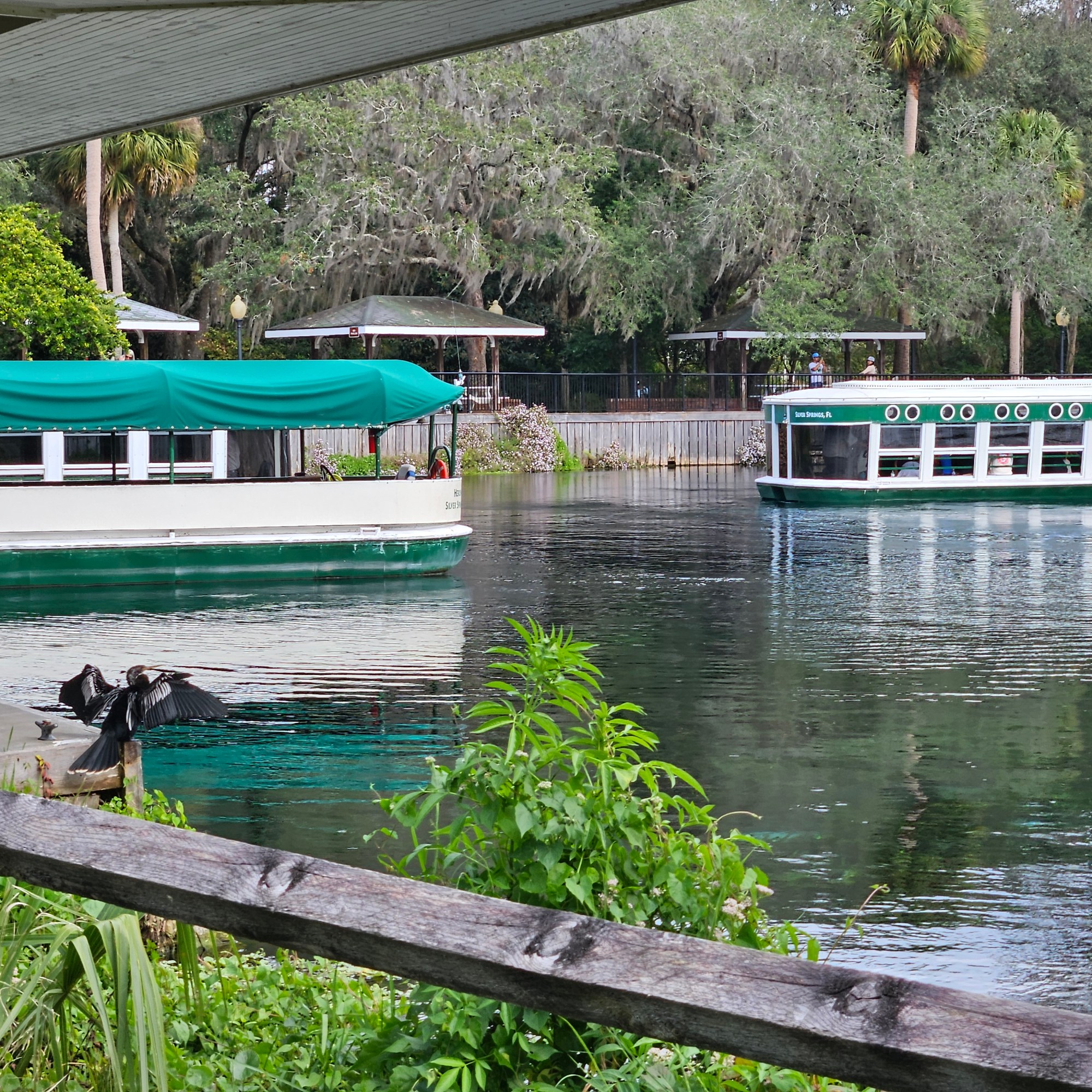
We then drove to Ocala. We had one place left on our FL/GA tour, but it’s not a national park. Instead, the following day, we visited Silver Springs State Park, home of the famed glass bottom boats. I had never been to any spring in Florida, and I was enthralled by the color and clarity of the water.
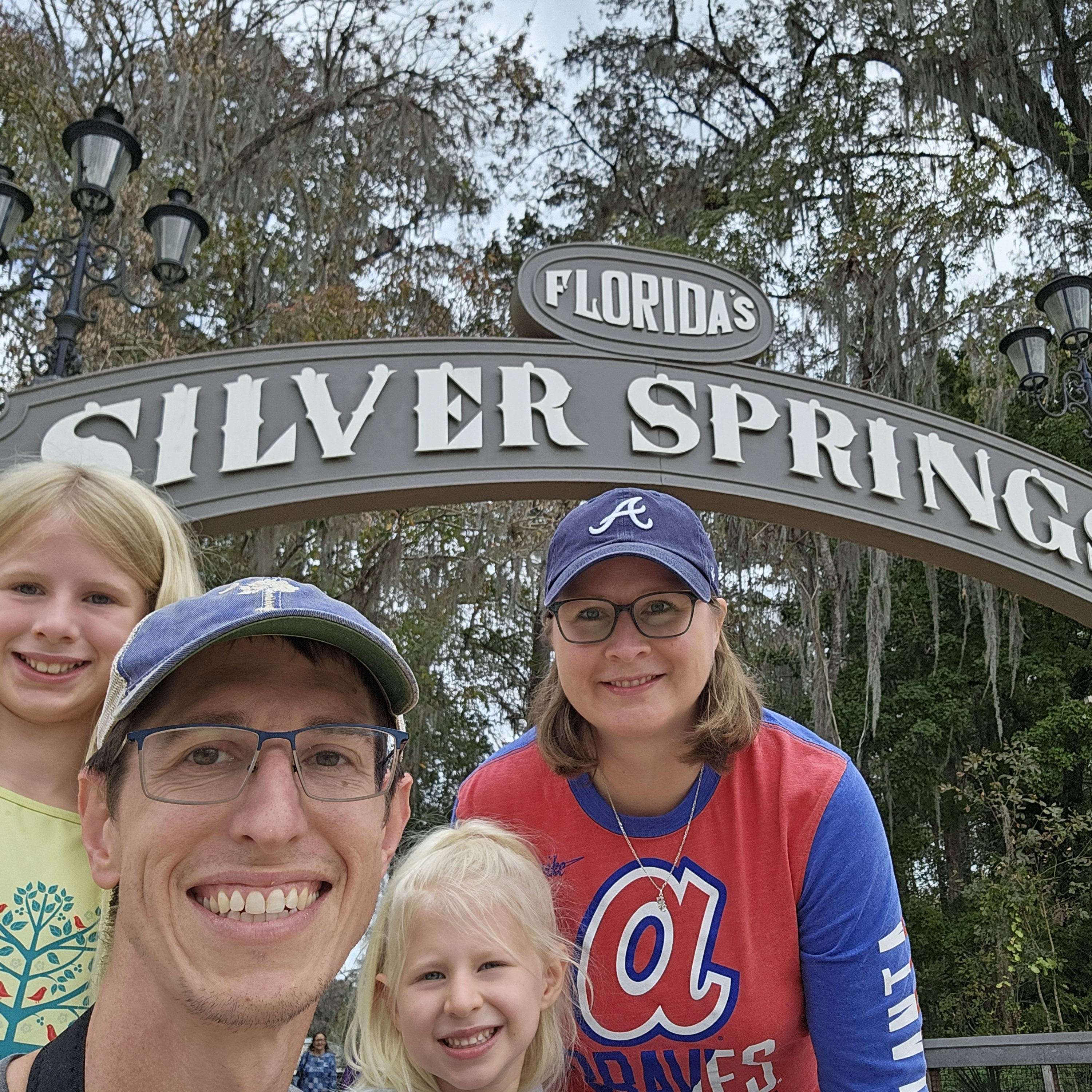
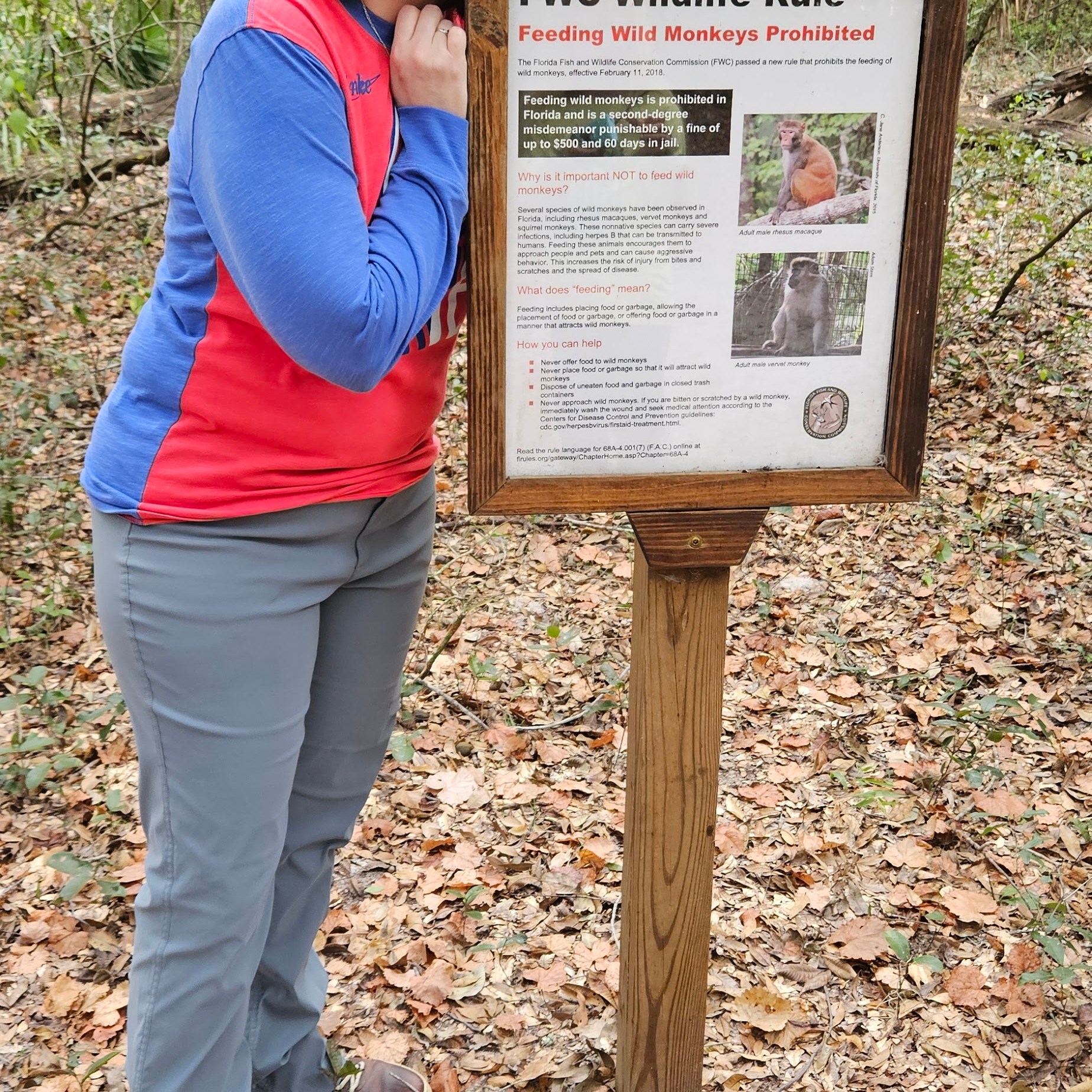
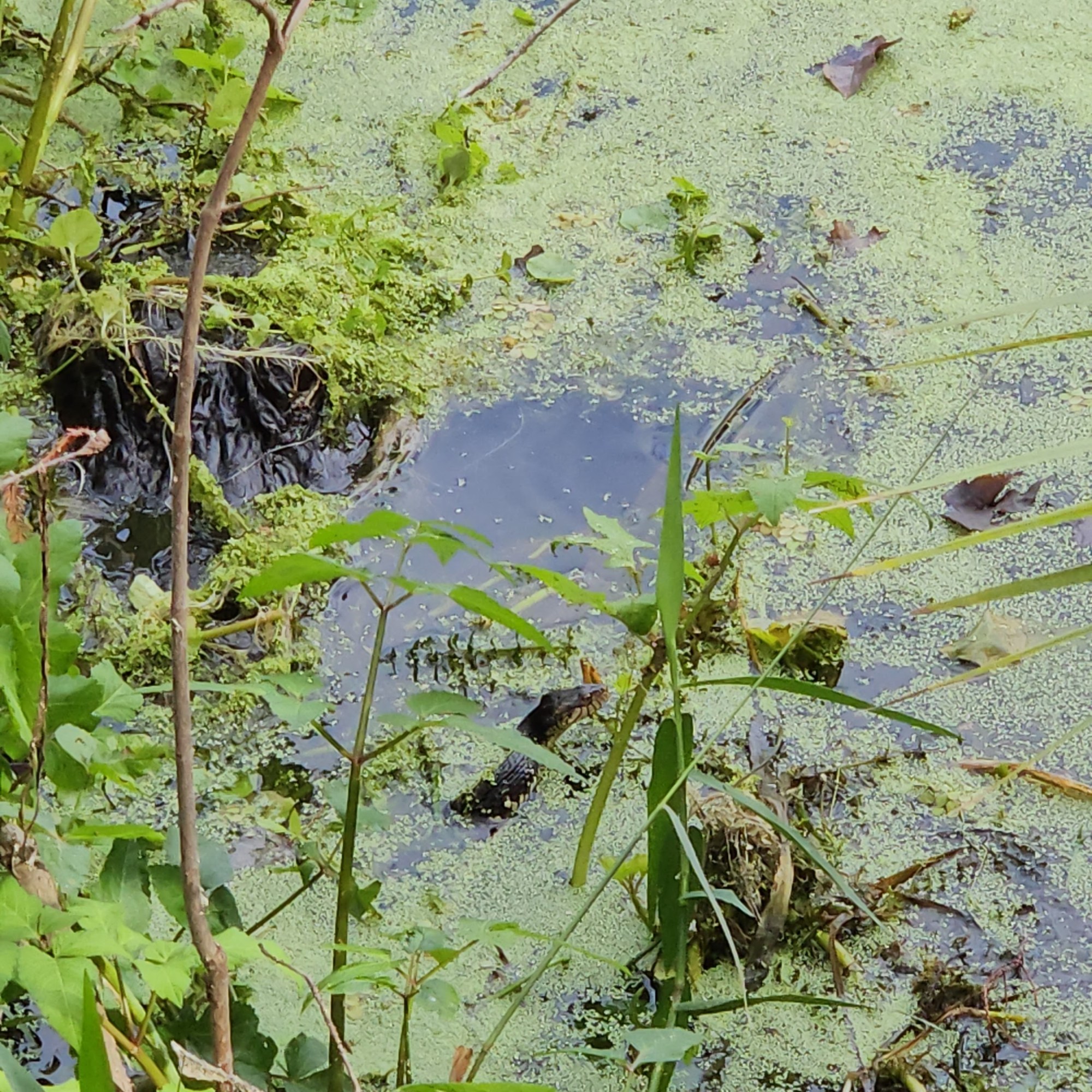
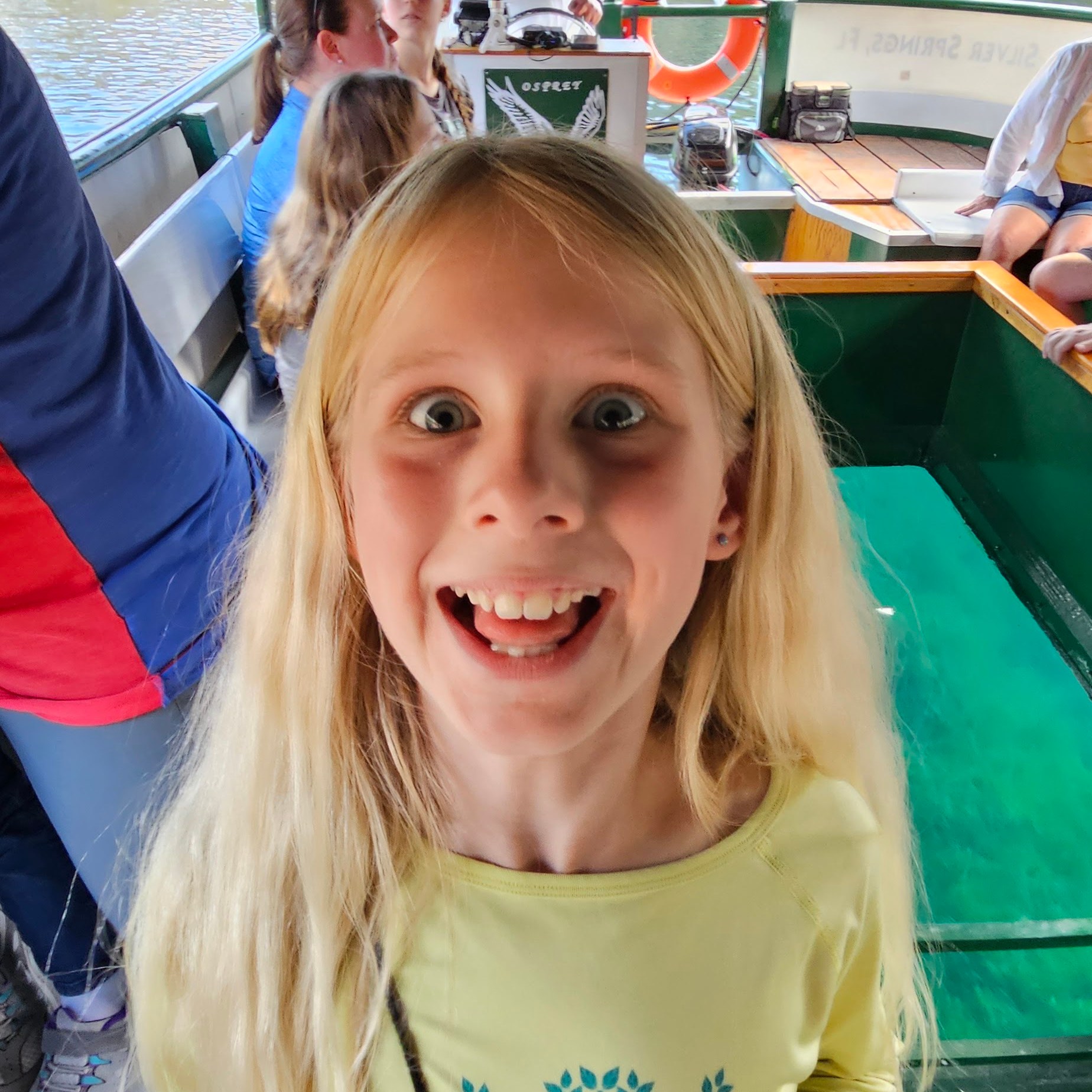
Teagan had been hoping to see manatees, and so we booked a 90-minute tour in a boat in hopes of seeing some. After an initial hike (in which we saw a gator with a captured snake in its mouth) and a picnic, we headed to the boats. The tour was so great, seeing beautiful fish and plants underwater and being amazed at the springs themselves. We never saw any of the monkeys that escaped there decades ago and then populated the area.
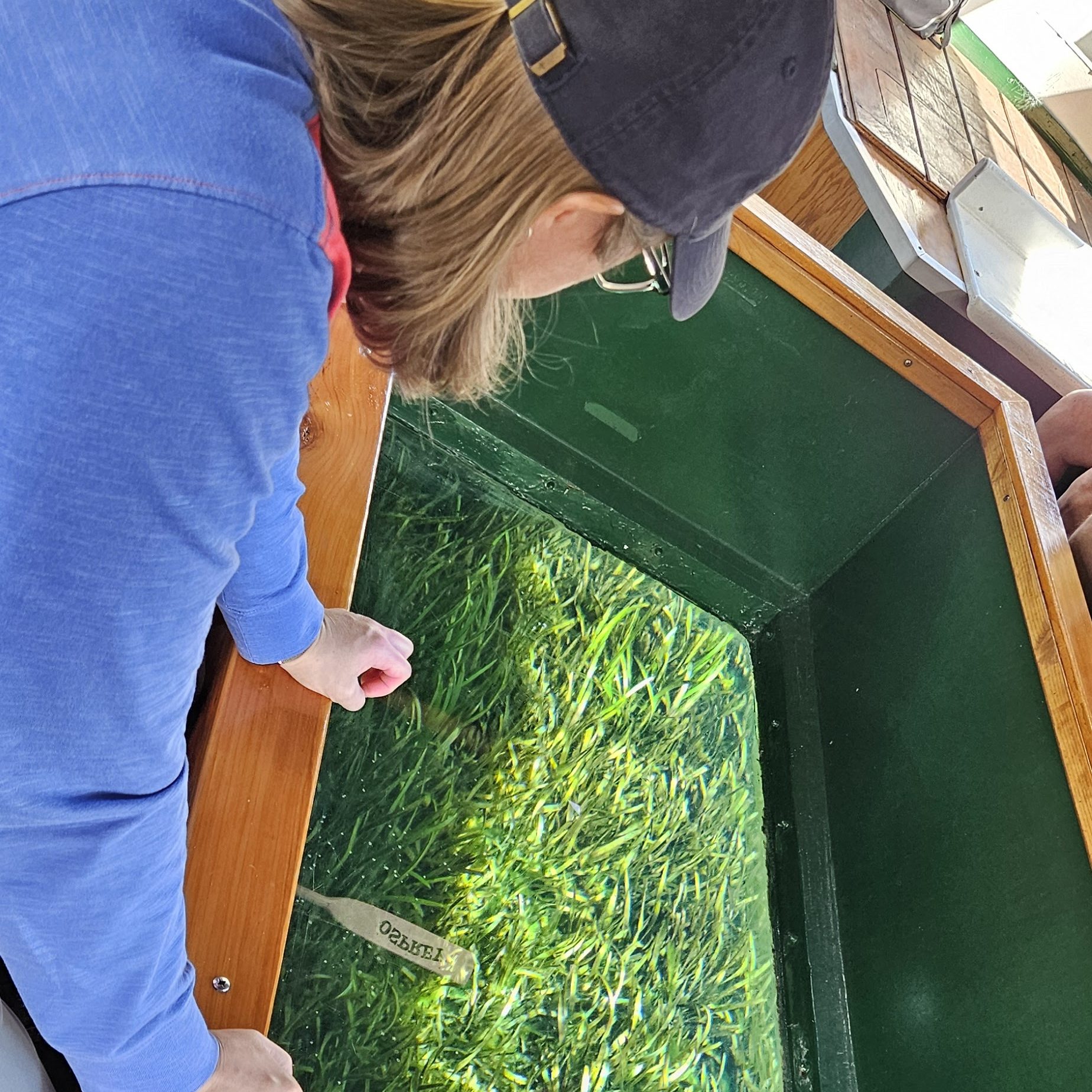
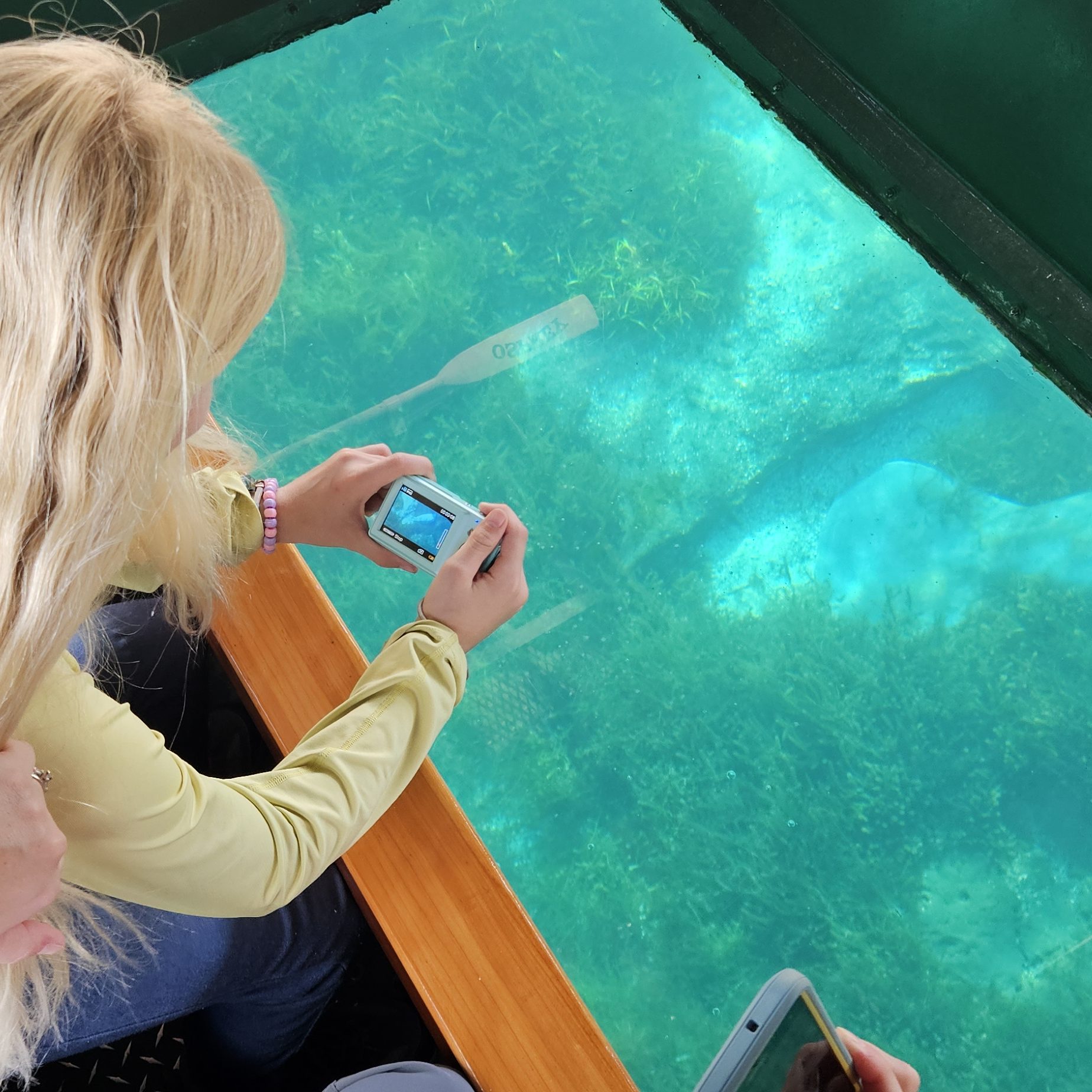
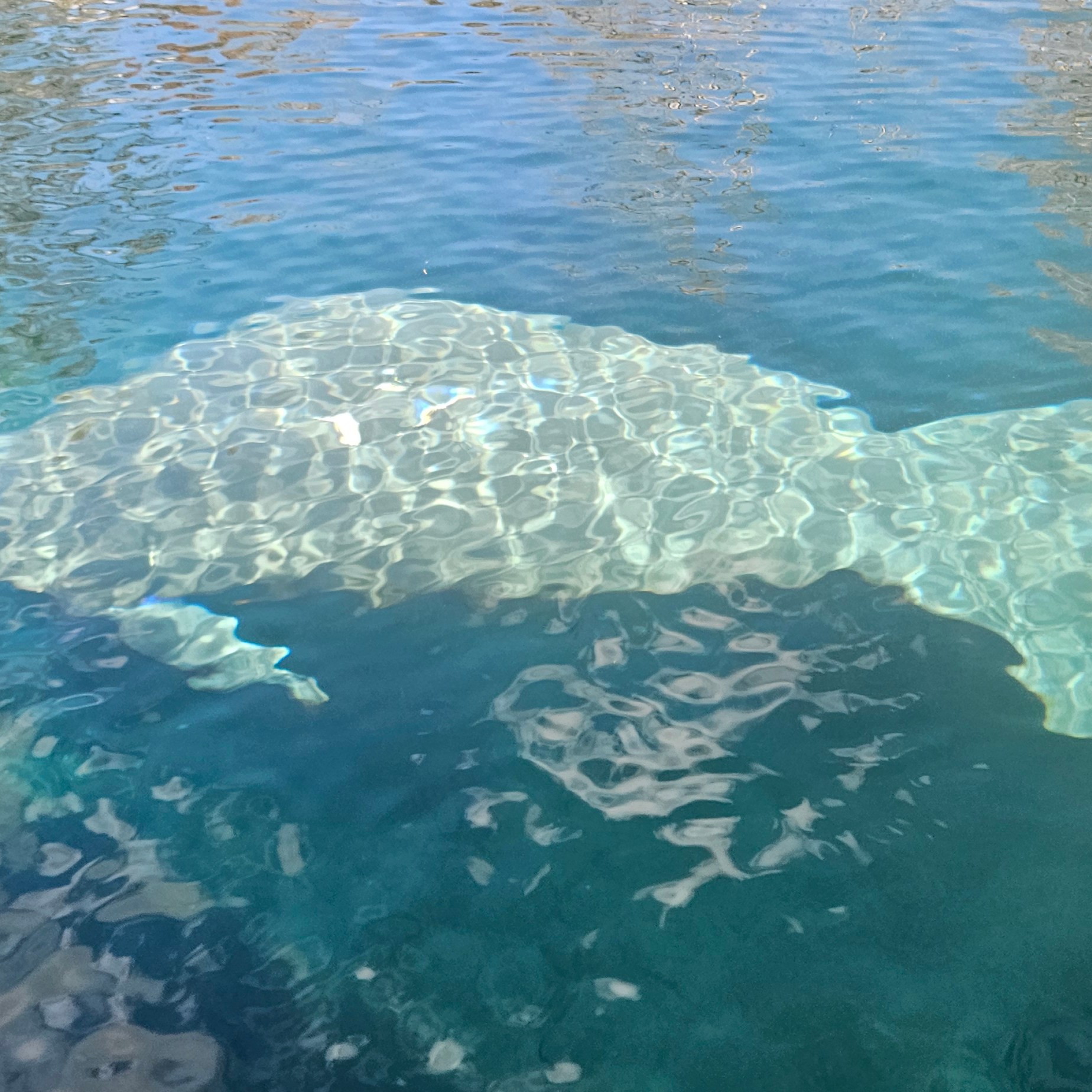
Finally, after thinking that maybe we wouldn’t see any, we finally got a glimpse of the first manatee. Then we saw a couple through the bottom of the boat. Needless to say, Teagan was over the moon. We ultimately saw probably 15 manatees, including two babies. They are so graceful, and I am grateful for the opportunity to have seen them.
Sage, continuing to complain of being sooooo tired, finally got her chance to nap once we got back in the car to drive six hours up I-75 to Atlanta to be with Tiffany’s family for Thanksgiving. But did she sleep? Not a wink until we stopped four hours later for dinner and then slept the rest of the way.
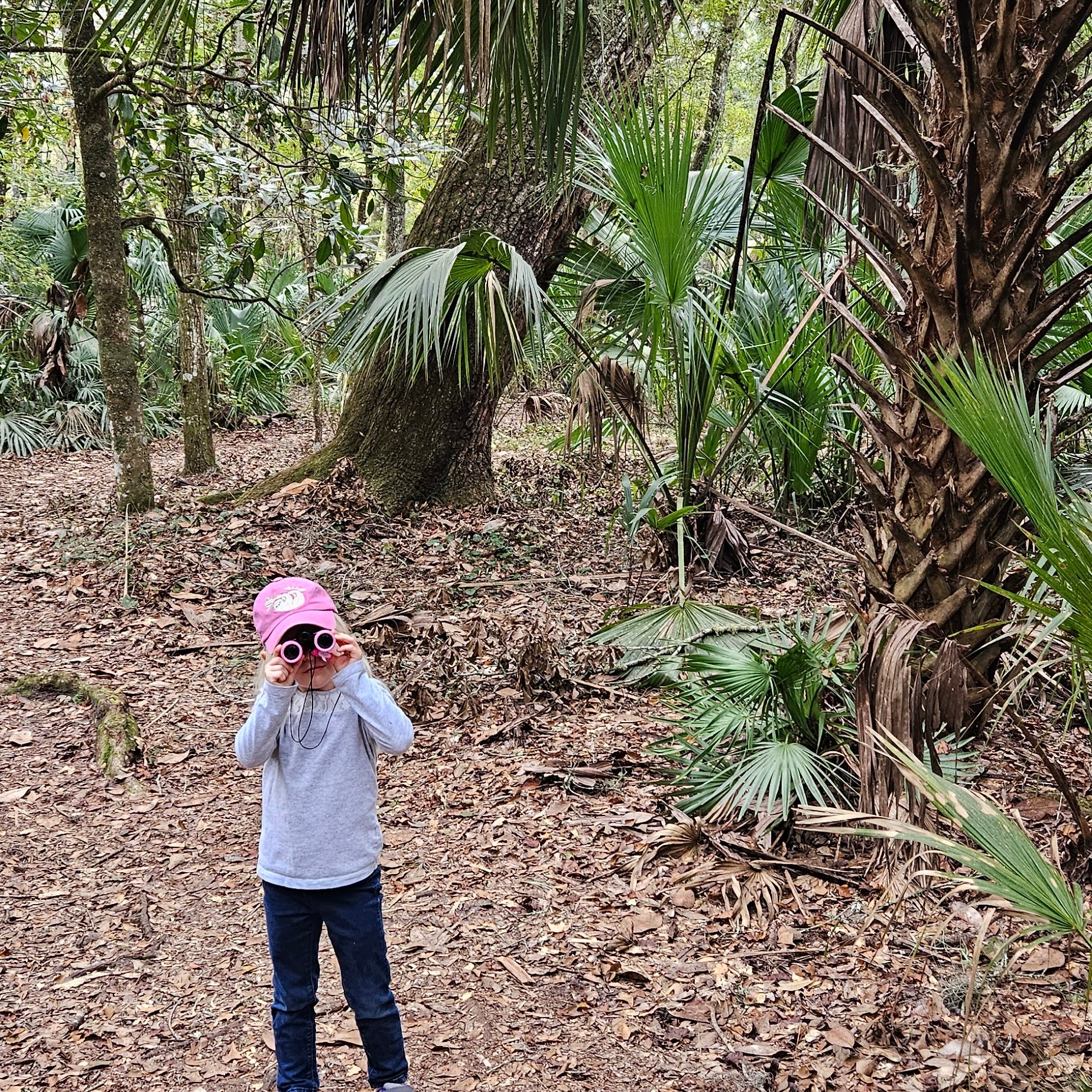
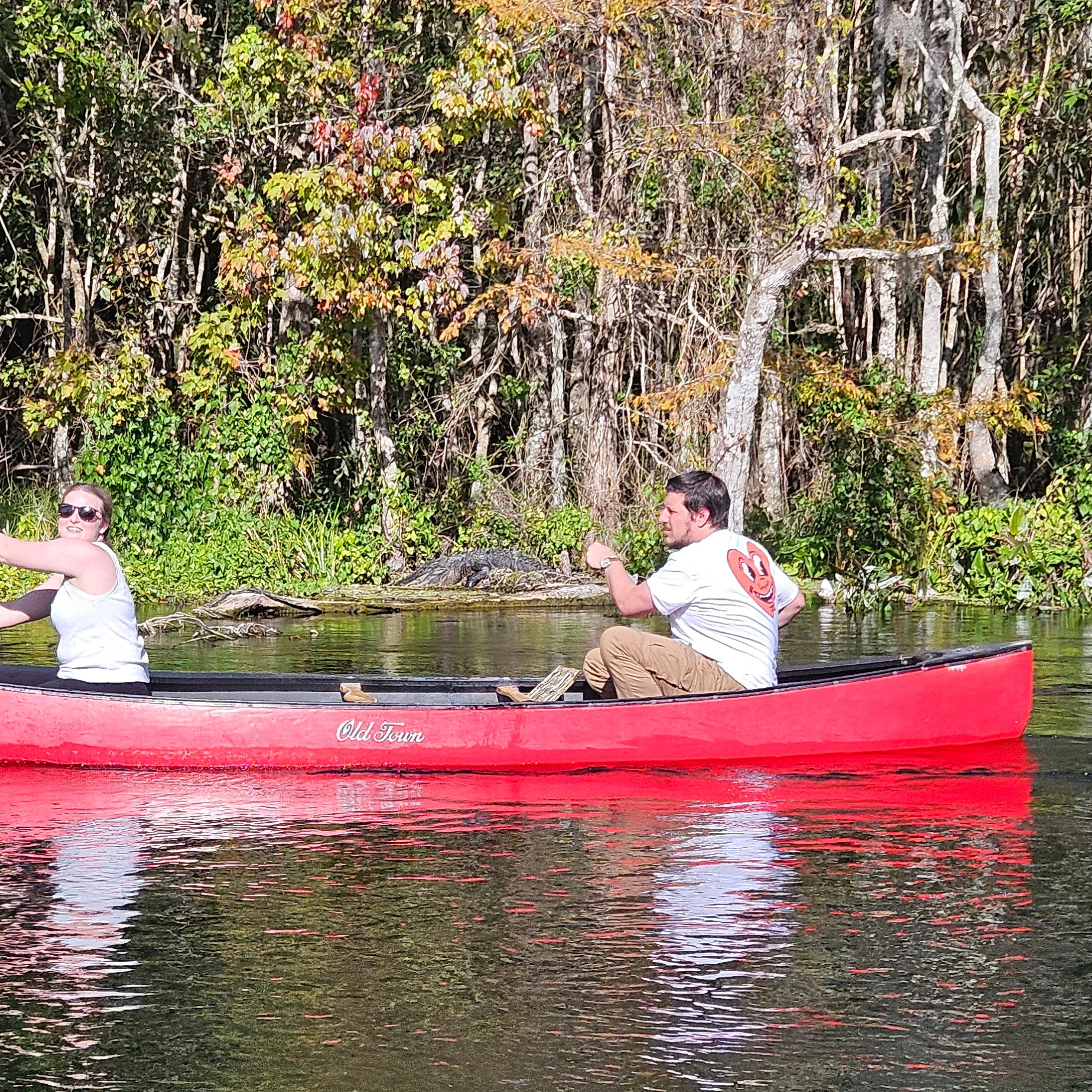
They were five days full of exploring and learning. So much history that we learned, and so much still to learn once we get home and digest the information a little more. We also had so many great wildlife experiences. I’m grateful for the time we had together and exploring all that’s out there with my family! Below are some more pictures from our time at Silver Springs, including an alligator eating a water snake.
 Beavers in the Park